
The 12-Week Collagen Challenge: What To Expect Week By Week


Collagen is not an instant-results supplement. That is probably the biggest thing to understand before you start.
It is not like putting on a hydrating mask and seeing a glow that evening. It works more slowly because it is feeding into the structure of the skin, hair, nails, joints and connective tissue.
That is why 12 weeks is a good time frame. It gives your body long enough to use the collagen peptides, amino acids and co-factors properly.
Some people notice small changes earlier, especially with skin hydration or nails. Bigger changes, like skin firmness, fine lines, nail strength and joint comfort, usually need consistent daily use for 8 to 12 weeks.
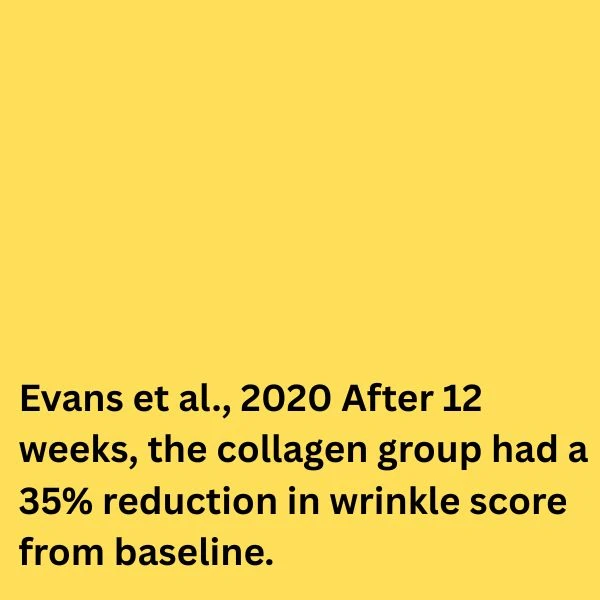
Clinical studies on collagen have shown improvements in skin hydration, elasticity, wrinkles and dryness over 8 to 12 weeks, but results vary depending on the type of collagen, dose, age, diet and the formula used.

Week 1: You Are Building The Habit
In the first week, do not expect dramatic changes in the mirror.
This is the stage where you are simply getting collagen into your routine. Coffee, smoothies, porridge, yoghurt, juice, water, whatever works. The best product is the one you will actually take every day.
At this stage, most people will not see skin changes. A few may notice their skin feels a little less dry, but that may also depend on water intake, skincare, diet and the rest of the formula.
People at this stage don't notice much. They feel:
“My skin is not transformed.”
“I haven’t noticed much yet, but my stomach is fine with it and it mixes well.”
This stage is not about results. It is about building habits
Week 2: Skin May Start To Feel A Bit Less Flat
By week 2, some people start to notice very early changes in how their skin feels rather than how it looks.
This is usually subtle. Skin may feel a little less tight after cleansing. Makeup may sit slightly better. Dry patches may not feel as obvious. If your supplement contains vitamin C, hyaluronic acid, zinc, biotin or silica, these added nutrients may be what you are mostly noticing
This is not where wrinkles disappear. It is more of a “something feels a bit better” stage.
People often feel:
“My skin just feels a bit less thirsty.”
“My makeup is sitting nicer, but I don’t know if anyone else would notice.”
“My skin looks a little less grey in the morning.”
This is usually the first encouraging sign, but it is still early.
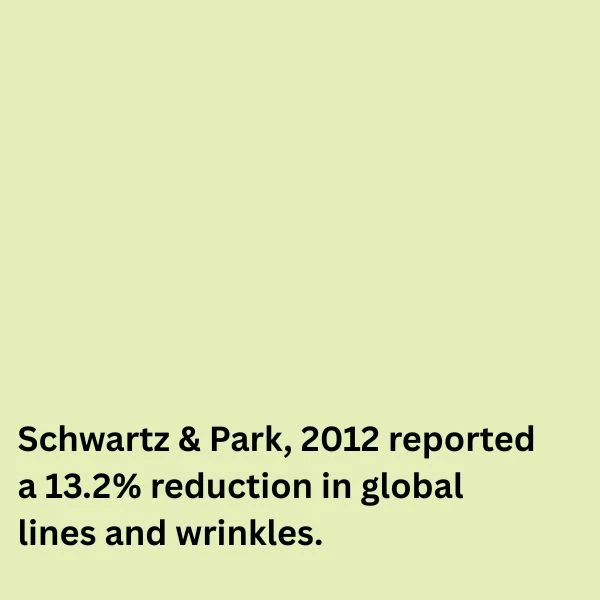
Week 3 to 4: Hydration And Texture Are Often The First Real Clues
Weeks 3 and 4 are where collagen can start to get more interesting.
Skin @ Week 4
Some clinical studies have found skin hydration changes from around 4 weeks, (depending on the collagen used). This makes sense in real life. Hydration is often the first thing customers notice. Skin may look a bit fresher. The face may look less tired. Fine dehydration lines can look softer because the skin is holding moisture better.
This is where someone might start saying:
“Yahh! My skin looks less tired.”
“I still have lines, but my skin does not look as crepey.”
“My face looks a bit fresher, especially around my cheeks.”
“My skin feels smoother when I put on moisturiser.”
Nails @ Week 4
For nails, this is still early because nails grow slowly. You may not have strong new nail growth yet, but brittle nails may start feeling a little less weak at the tips.
Joints @ Week 4
For joints, week 4 is also early. Some active people may notice less stiffness, but most joint-focused collagen users need longer, especially if the formula is aimed at cartilage, tendons or ligaments.

Week 5 to 6: This Is Where People Often Start Believing It Is Doing Something
By weeks 5 and 6, the changes can become more noticeable. The magic starts.
This is usually not a dramatic “new face” moment. It is more that skin starts to look better rested. The texture may look more even. Skin may not look as flat or dry. The face can look a bit more “filled out” in a healthy way, especially if the person was very dehydrated or run down-looking before.
Skin @ Week 6
In one BioCell collagen study, collagen content in the skin (dermis layer) increased after 6 weeks. That does not mean everyone will visibly see a big difference in the mirror, but it does show that changes can be happening under the surface before the full 12-week mark.
What people feel at this stage can be:
“My skin looks less dull.”
“I look a bit less wrecked in photos.”
“My forehead lines are still there, but they do not look as harsh.”
“My skin has a bit more bounce when I touch it.”
Nails @ Week 6
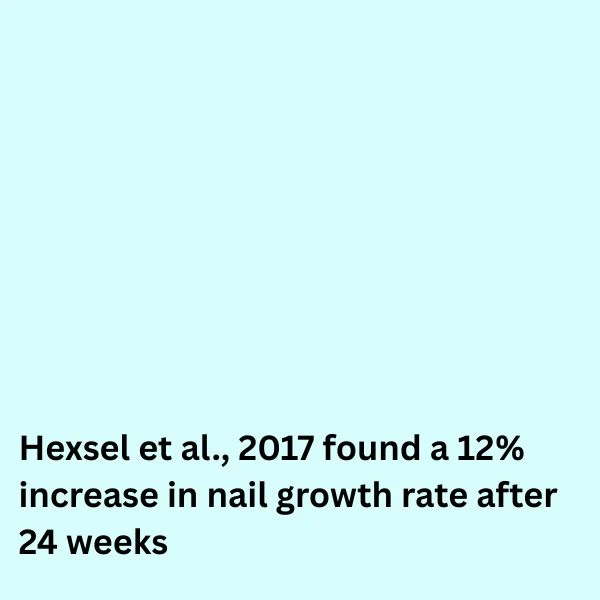
This is also when people who take collagen for hair and nails may start to feel more motivated. Hair changes are slower because hair growth cycles take time, but nails often show earlier clues because you can see the new growth coming through.
“My nails are not splitting as easily at the edges.”

Week 7 to 8: Skin Bounce, Fine Lines And Nail Strength Become More Obvious
By 8 weeks, collagen starts to strut its stuff.
This is the point where many people can tell whether it is suiting them. Skin hydration, elasticity and texture are usually the areas to watch.
Skin @ Week 8
Several studies use 8 to 12 weeks as the useful window for visible skin changes. Reviews of oral collagen for skin ageing have found improvements in hydration, elasticity and wrinkles across multiple trials, although not every trial shows the same strength of result. Week 8 is when people may notice:
- skin looks less tired
- skin feels less dry
- fine lines look softer
- makeup sits better
- nails feel harder
- hair may feel less brittle
- joints may feel less stiff after exercise or long days
We are hearing from people around week 8:
“My skin looks more awake.”
“The little dry lines around my eyes are not as obvious.”
Nails @ Week 8
“My nails are finally growing without peeling.”
Hair @ Week 8
“My hair is not snapping as much when I brush it.”
Joints @ Week 8
“My knees still aren’t perfect, but they feel less cranky after walking.”
This is a good point to take a progress photo. Not a filtered selfie. Just the same light, same angle, same expression. Collagen changes can be subtle day to day, but more obvious when you compare week 1 and week 8.
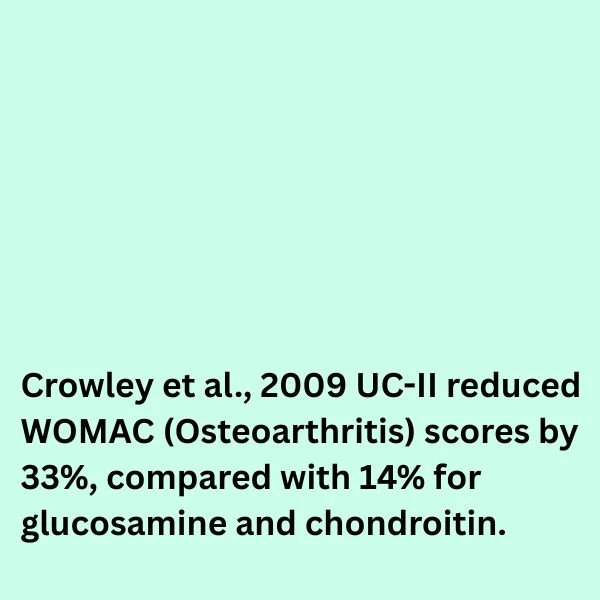
Week 9 to 10: The Results Start To Look More Like Real-Life Results
Weeks 9 and 10 are where the challenge starts to feel worthwhile for many people. Collagen is now slaying not playing
This is the stage where changes are less about “I think my skin feels nicer” and more about “my skin looks better than it did two months ago.”
Skin @ Week 10
- Fine lines may not vanish, but they can look less sharp.
- Dryness may be less obvious.
- Skin can look calmer, smoother and a bit firmer.
What we hear at this stage is
“My skin looks less tired even without makeup.”
“My cheeks look a bit plumper.”
Nails @ Week 10
If the person was taking collagen for brittle nails, they may now have a stronger band of new nail growth.
“My nails are not breaking every time they get any length.”
Joints @ Week 10
For joint-focused collagen, especially formulas containing Type II, MSM, hyaluronic acid, vitamin C or minerals, this is often the stage where people can better judge whether it is worth continuing.
“I’m not noticing my joints as much when I get up in the morning.”
Hair @ Week 10
“My hair still isn’t magically thick, but it feels in better condition.”
Nobody should expect collagen to work like Botox, filler or retinol. It is slower, softer and more structural.
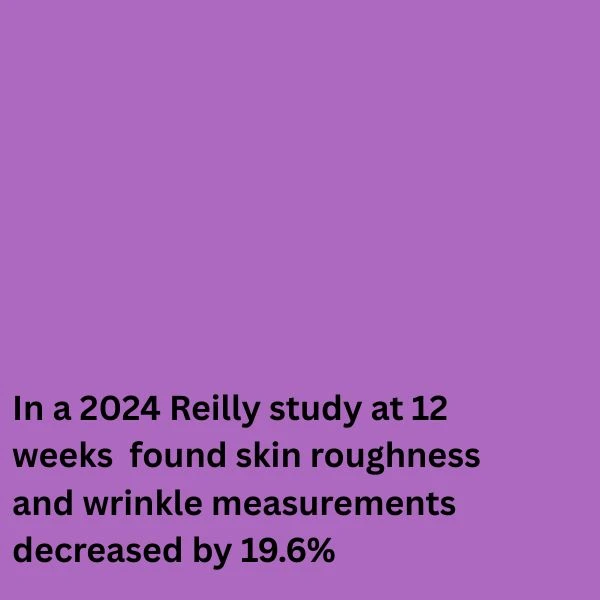
Week 11 to 12: Time to Decide on Collagen
At 12 weeks, you can make a fair decision. Time to compare photos and decide.
This is the point used in many collagen studies because it gives enough time to assess skin hydration, elasticity, wrinkles, dryness and overall skin appearance.
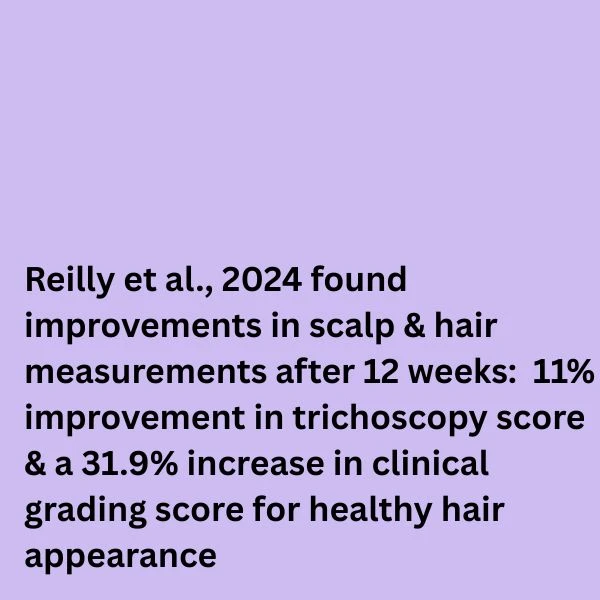
In 12-week collagen studies, researchers have reported improvements in areas such as skin hydration, elasticity, fine lines, wrinkles and dryness. Some studies also show improvements in scalp and hair condition when collagen is combined with nutrients such as vitamin C.
What that can look like in real life:
- skin looks less dry
- fine lines look softer
- skin has more bounce
- makeup applies more smoothly
- nails are less flaky or split-prone
- hair may feel stronger or look healthier
- joints may feel less stiff after repeated use
- skin may look less “tired” overall

Skin @ Week 12
“My skin still looks like my skin, just fresher.”
“I don’t look as drawn in the morning.”
“The lines are still there, but they are not shouting at me as much.”
“My skin looks less crepey and more comfortable.”
Nails @ Week 12
“My nails are the strongest they’ve been in ages.”
Hair @ Week 12
"My hair feels better, especially at the ends."
This is the honest collagen result. Not 20 years younger. Not a facelift in a sachet. But fresher, smoother, less dry, less brittle, and generally better than where you started.
What Results Should You Not Expect?
- This protein will not erase deep wrinkles.
- It will not lift sagging skin like a procedure.
- It will not undo years of sun damage by itself.
- It will not work properly if you take it twice a week and forget the rest.
- It also will not make up for poor protein intake, very low vitamin C intake, smoking, heavy alcohol, poor sleep or no sunscreen. Those things matter.
It works best when it is part of a boringly consistent routine: daily collagen, enough protein, vitamin C, SPF, sleep, hydration and a skincare routine that suits your skin.
Marine, Bovine, Type II And Vegan Collagen Alternatives: Does The Type Matter?
Yes, the type matters.
- Marine is usually chosen for skin, hair and nails. It is mostly Type I , the main type found in skin. Some marine collagen may also contain small amounts of Type III, which is also found in skin and connective tissue.
- Bovine usually contains Type I and Type III, so it is a popular all-rounder for skin, hair, nails and connective tissue.
- Type II is different. It is usually chosen for joints because Type II is the main collagen type found in cartilage.
- Vegan alternatives are not collagen because it comes from animals. Instead, they usually contain nutrients your body uses to make its own collagen, such as vitamin C, silica, zinc, amino acids, copper and sometimes plant extracts.
How To Do The 12-Week Challenge Properly
Take collagen daily.
Pick a product you can actually stick with.
Take a photo at week 1, week 6 and week 12.
Do not judge it after 10 days ( I Know its hard!).
- Watch skin hydration first, then texture, then bounce, then fine lines.
- For nails, watch new growth.
- For hair, judge condition and breakage first, not sudden growth.
- For joints, look at stiffness, recovery and how you feel after repeated movement.

Last Words from the Supplement Counter
The 12-week collagen challenge is worth doing if your expectations are realistic.
The first changes are usually subtle: skin feels less dry, makeup sits better, nails start behaving, hair feels less brittle.
By weeks 8 to 12, the better results usually become more visible: skin looks fresher, fine lines look softer, nails feel stronger and joints may feel less stiff.
Collagen is not magic. But taken daily for long enough, the right formula can make a real difference. The key is not taking it for a week and wondering why nothing happened.
Give it 12 weeks. Then judge it honestly.