
Eczema
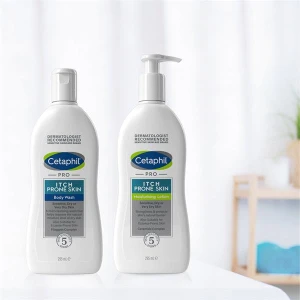
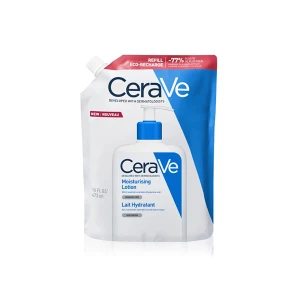
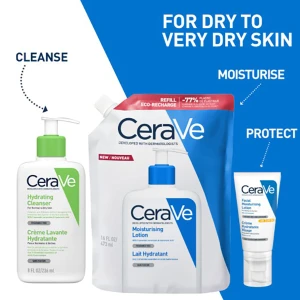
Managing eczema effectively starts with gentle, soothing skincare. This common skin condition causes dryness, itching, and irritation, making daily care essential for comfort and relief. We offer a range of eczema treatments, including hydrating creams, emollients, and medicated solutions to help protect, calm and soothe the skin. Whether you need daily moisturisers or anti-inflammatory creams, find trusted products to keep your skin calm, hydrated and provide effective relief from eczema. We also provide a range of eczema products that are suitable for kids.
Subcategories

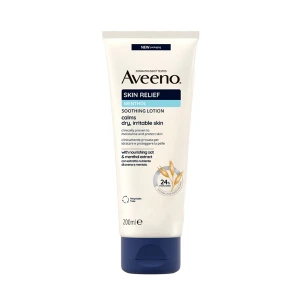
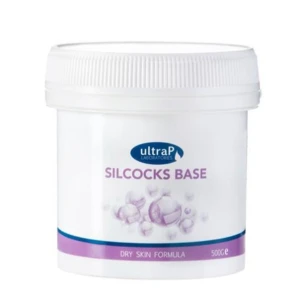
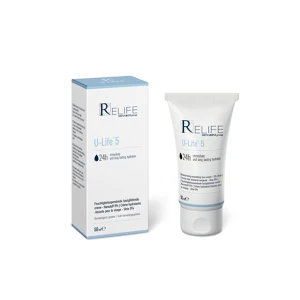
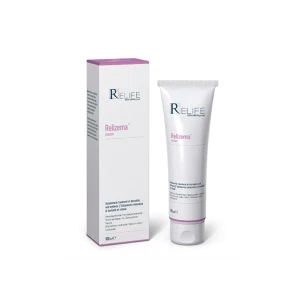


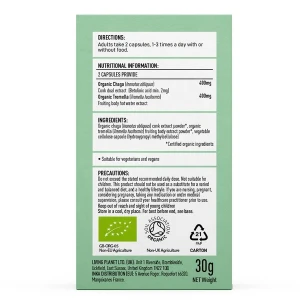
600-300x300.webp "Mushrooms 4 Life Original Myco Beauty (60 caps)")
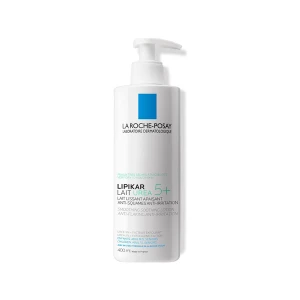
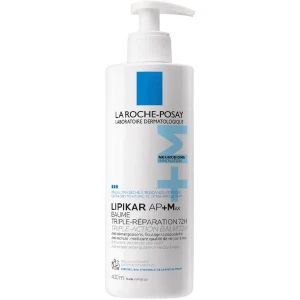
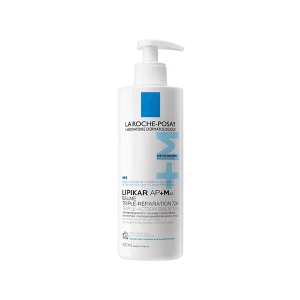
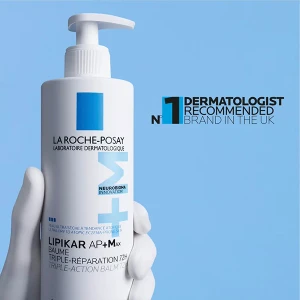
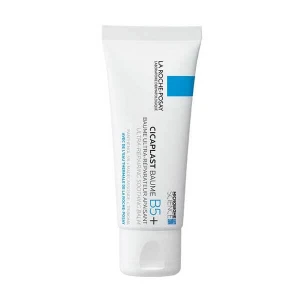
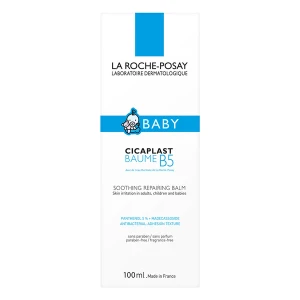
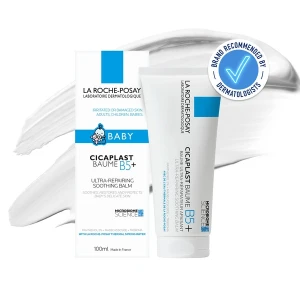
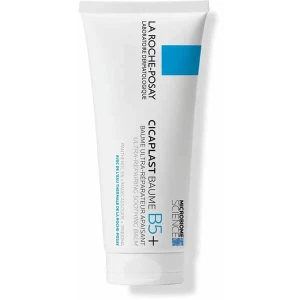
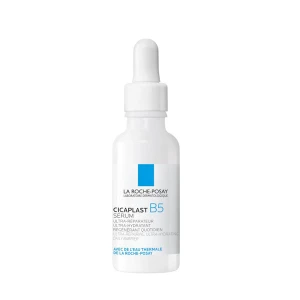
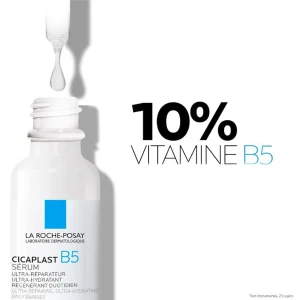
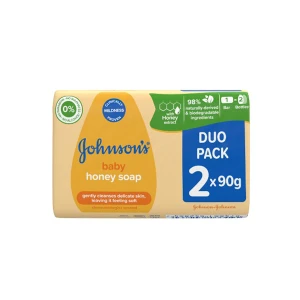

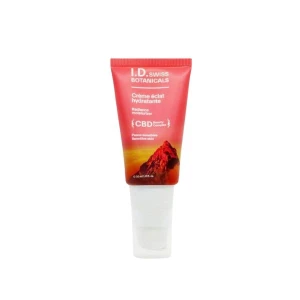


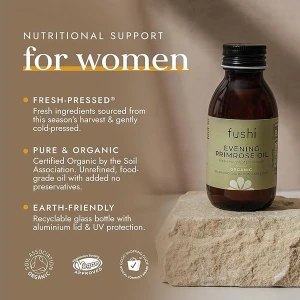
600-300x300.webp "Fushi Original Evening Primrose Oil (100 ml)")
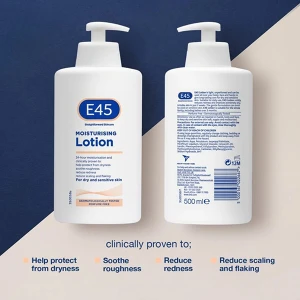
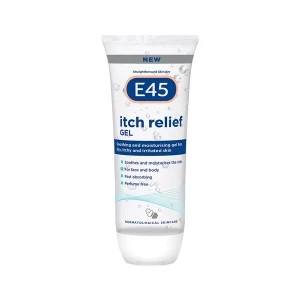
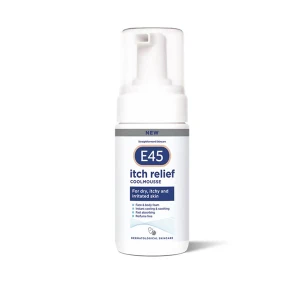
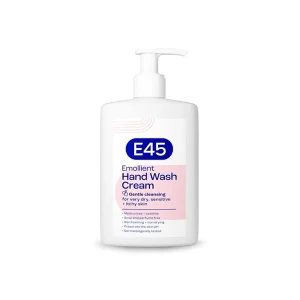
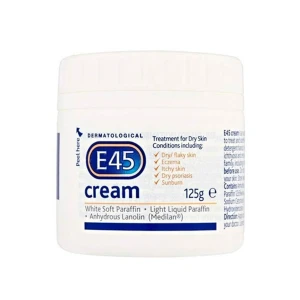
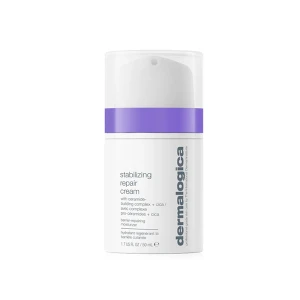
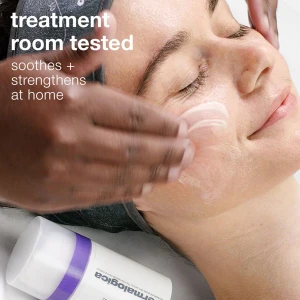
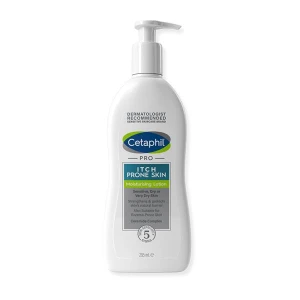
What is eczema and what causes it?
Eczema is a skin condition that causes dryness, redness, and itching. It occurs when the skin barrier is weakened, making it more sensitive to irritants and allergens. Common triggers include stress, weather changes, harsh soaps, and certain fabrics. Keeping the skin well-moisturised and using gentle skincare products can help prevent flare-ups.
What are the best treatments for eczema?
The best eczema treatments include emollients, which keep the skin hydrated, and steroid creams to reduce inflammation during flare-ups. Oatmeal baths and fragrance-free moisturisers can also help soothe irritation. If symptoms persist, a doctor may recommend stronger prescription treatments.
How often should I moisturise if I have eczema?
For eczema-prone skin, moisturising at least twice a day is essential. Using thick emollient creams or ointments helps lock in moisture and prevent flare-ups. Apply immediately after bathing to keep skin hydrated and reduce itching.
Can diet affect eczema symptoms?
Yes, certain foods may trigger eczema flare-ups in some people. Common triggers include dairy, gluten, nuts, and eggs. Keeping a food diary can help identify potential reactions. Eating an anti-inflammatory diet rich in omega-3s, fruits, and vegetables may support skin health and reduce irritation.
When should I see a doctor for eczema?
If eczema symptoms become severe, cause open sores, or do not improve with over-the-counter treatments, consult a doctor. Prescription creams or other medical treatments may be needed for long-term relief and better symptom management.