
Nasal Rinses
Nasal rinses help flush out mucus, allergens, and irritants from the nasal passages, providing relief from congestion, sinus pressure, and allergies. They use a gentle saline solution to cleanse the nose, making breathing easier and reducing irritation. Regular use can also help prevent sinus infections and support overall nasal health. For other decongesting solutions, browse our collection of nasal sprays.
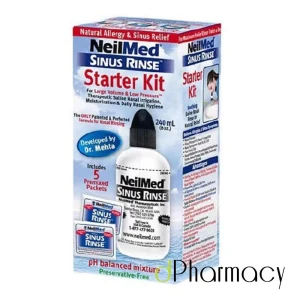

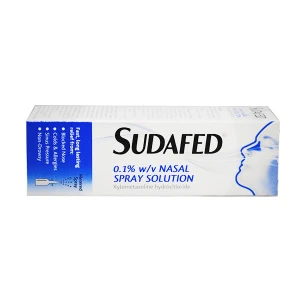
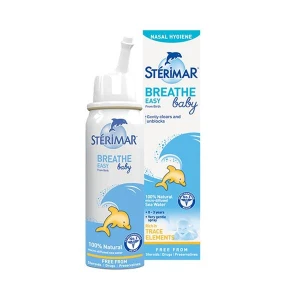
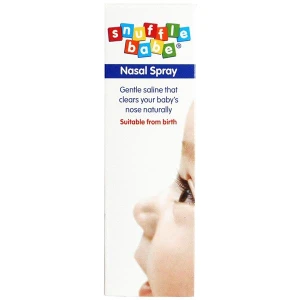
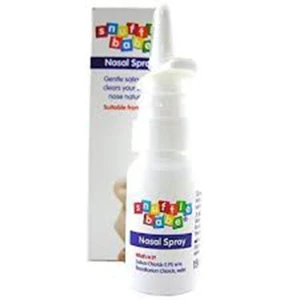
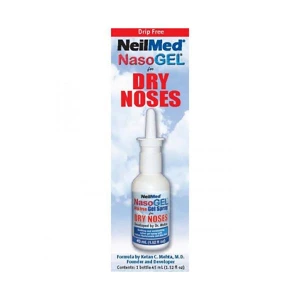
How do nasal rinses work?
Nasal rinses use a saline solution to flush out mucus, dust, allergens, and bacteria from the nasal passages. This helps reduce congestion, clear out irritants, and keep the nasal lining hydrated. The process involves tilting the head and pouring or spraying the solution into one nostril, allowing it to flow out through the other. By keeping the nasal passages clean, nasal rinses can help reduce the frequency of colds, ease allergy symptoms, and improve sinus health.
How often should I use a nasal rinse?
The frequency of use depends on your symptoms. For general nasal hygiene, using a rinse once a day can help clear out irritants and prevent congestion. During allergy season or when experiencing a cold, using a rinse twice a day may provide more relief. If you have a sinus infection or have undergone nasal surgery, a doctor may recommend more frequent rinsing. Overuse is unlikely to cause harm, but using a properly mixed saline solution and clean equipment is essential to prevent irritation or infection.
Are nasal rinses safe for children?
Nasal rinses can be safe for children, but they should be used with caution. For young children, saline nasal sprays or drops are easier and safer to use. Older children may be able to use a gentle rinse under adult supervision. Always use a sterile saline solution and follow instructions carefully to avoid discomfort. If a child has ongoing congestion or frequent sinus infections, consult a doctor for guidance on safe and effective use. Never force a nasal rinse if a child is uncomfortable.