
Plasters & Dressings
Plasters & dressings are used to cover wounds, cuts, and grazes to keep them clean and help them heal faster. They’re a must for any household or travel first aid kit. Whether it’s a child’s scraped knee, a paper cut, or a post-surgery dressing, these essentials form a barrier that keeps out dirt and bacteria.
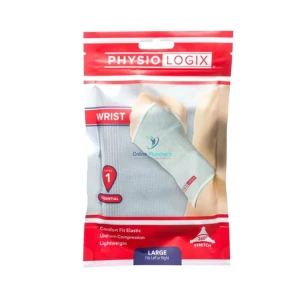
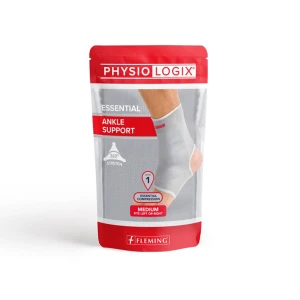
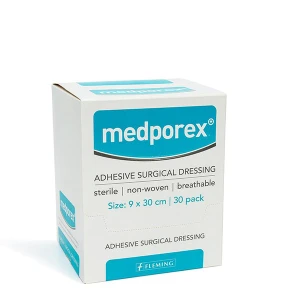
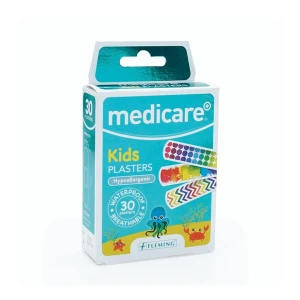
_dpharmacy-300x300.webp "Medicare Transparent Plasters Family Pack (50)")
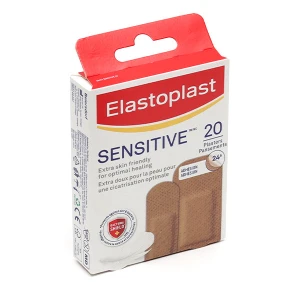
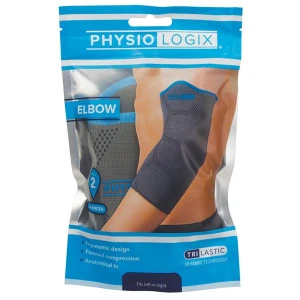
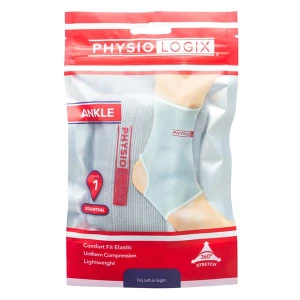
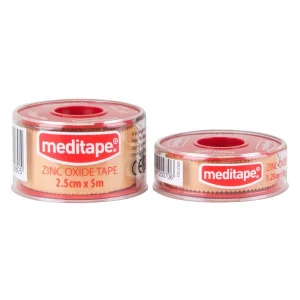
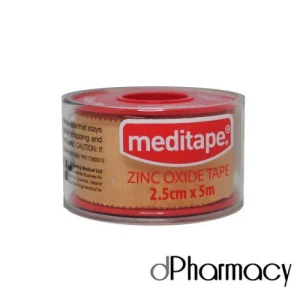
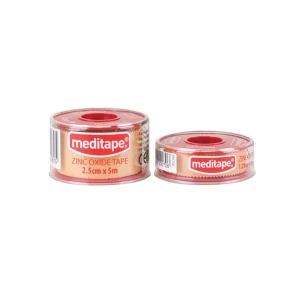
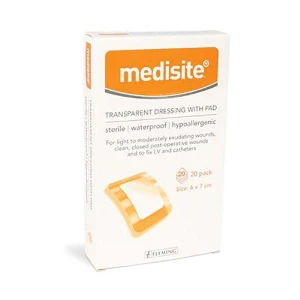
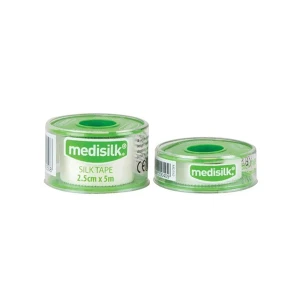
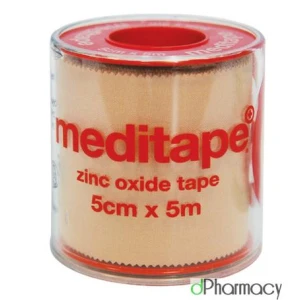
What is the difference between a plaster and a dressing?
A plaster is a small medical adhesive strip used to cover minor cuts and scrapes. It usually has a small absorbent pad in the centre and an adhesive area around the outside to hold it in place on the skin. Dressings, on the other hand, are used for larger or more serious wounds. They may come in sterile pads or gauze and often require tape or bandages to secure them. While both serve to protect a wound and help it heal, dressings are generally more suitable for surgical wounds or deeper cuts, while plasters are best for everyday minor injuries.
How often should I change a wound dressing or plaster?
Plasters should generally be changed daily, or sooner if they become wet or dirty. For dressings on larger wounds, it depends on the type of wound and the advice given by your pharmacist or doctor. Some dressings are designed to stay in place for two to three days, but others may need changing more often, especially if they become soaked with blood or fluid.
Can I shower or swim with a plaster or dressing on?
Yes, you can, but only if the plaster or dressing is waterproof. Many modern plasters are made with waterproof materials and strong adhesive, allowing you to shower without them falling off. These are perfect for active people or children. Standard fabric or non-waterproof dressings should be kept dry. If you’re using a dressing that isn’t waterproof, cover it with a waterproof layer or avoid getting the area wet