
B6 (Pyridoxine)
Vitamin B6 (Pyridoxine) is a vital nutrient that supports brain function, helps the body produce red blood cells, and strengthens the immune system. It plays a key role in breaking down proteins, carbohydrates, and fats for energy. This vitamin also contributes to mood regulation by helping produce neurotransmitters like serotonin and dopamine. A lack of Vitamin B6 can lead to tiredness, low mood, and weakened immunity. It is naturally found in poultry, bananas, and fortified cereals. If your diet is low in these foods, a supplement can help maintain energy levels, support nerve health, and promote overall well-being.



-300x300.webp "Planet Paleo Digestive Collagen Mint (245g)")
-300x300.webp "Planet Paleo Digestive Collagen Mint (245g)")

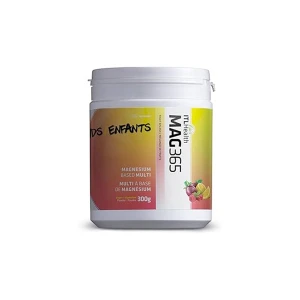

600-300x300.webp "Macanta Multi-complex With Co-q10 (60caps)")
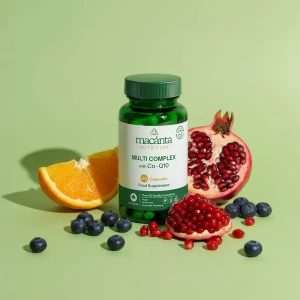
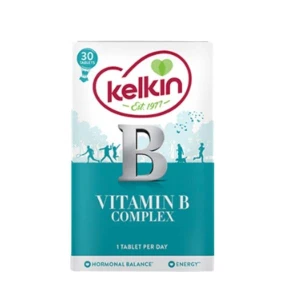
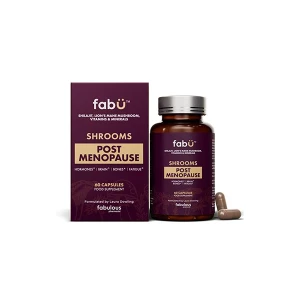

What does Vitamin B6 do for the body?
Vitamin B6 helps the body use and store energy from protein and carbohydrates. It supports brain health, nerve function, and the production of haemoglobin, which carries oxygen in the blood. It also plays a role in immune function and mood regulation. A deficiency can lead to tiredness, irritability, and a weakened immune system.
Who needs a Vitamin B6 supplement?
People with poor diets, older adults, pregnant women, and those with conditions like kidney disease may benefit from a Vitamin B6 supplement. Vegetarians, heavy drinkers, and those taking certain medications, such as birth control or blood pressure drugs, may also have lower B6 levels. If you experience fatigue, mood changes, or frequent infections, a supplement could help.
What are the symptoms of Vitamin B6 deficiency?
A lack of Vitamin B6 can cause tiredness, irritability, poor concentration, and a weakened immune system. Some people may develop cracked lips, inflamed skin, or tingling in their hands and feet. In severe cases, deficiency can lead to depression or confusion. Since B6 is involved in nerve function and brain health, low levels can affect mood and cognitive function.
How much Vitamin B6 do I need daily?
The recommended daily intake varies by age and life stage. Most adults need around 1.2 to 1.4 milligrams per day. Pregnant and breastfeeding women require slightly more. People with high protein diets or certain health conditions may need extra B6. If unsure, speak to a healthcare professional about the right dosage for you.
Can you take too much Vitamin B6?
While Vitamin B6 is essential, taking too much over a long period can cause nerve damage, leading to numbness and tingling in the hands and feet. The upper safe limit for adults is 100 milligrams per day. Most people get enough from food, but high-dose supplements should only be taken under medical guidance.
Does Vitamin B6 help with PMS and mood balance?
Vitamin B6 is involved in producing neurotransmitters like serotonin and dopamine, which affect mood. Some research suggests it may help reduce premenstrual syndrome (PMS) symptoms such as mood swings, irritability, and fatigue. It may also support mental well-being in people with mild depression. If you experience PMS symptoms, a B6 supplement may help balance your mood.
Which foods contain Vitamin B6?
Good sources of Vitamin B6 include poultry, fish, bananas, potatoes, fortified cereals, and nuts. Some dairy products and vegetables, like spinach and carrots, also provide small amounts. Since B6 is water-soluble, the body doesn’t store it, so regular intake through food or supplements is necessary.