
Sore Ears
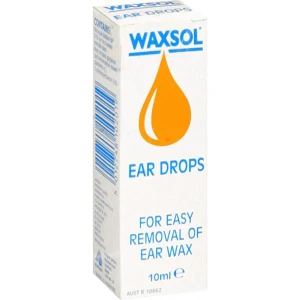
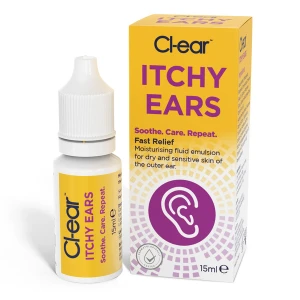
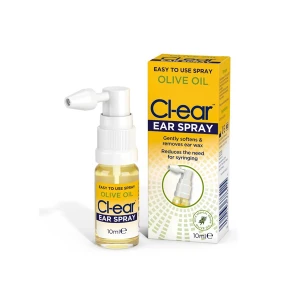
Sore ears can be uncomfortable and frustrating, whether caused by cold weather, infections, or a build-up of wax. At dpharmacy.ie, we stock a range of pharmacist-approved treatments to help soothe irritation and support ear health. From ear drops that gently soften wax to sprays that ease itchiness, each product is chosen for its gentle action and effectiveness. Our collection is suitable for adults and children, helping to reduce discomfort and support healing.
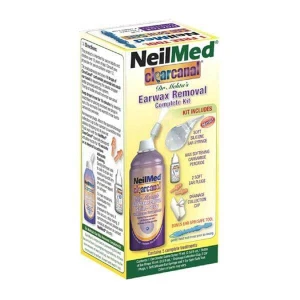
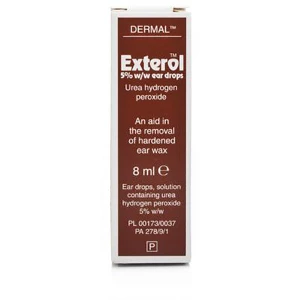
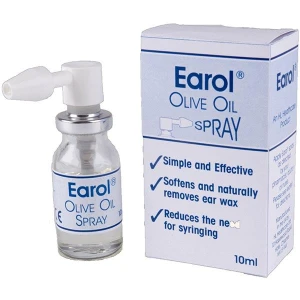
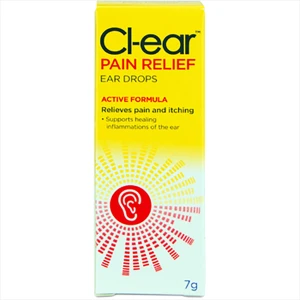
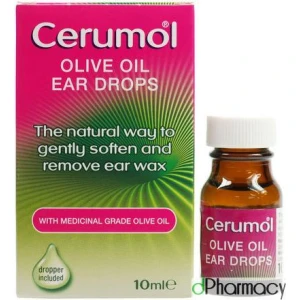
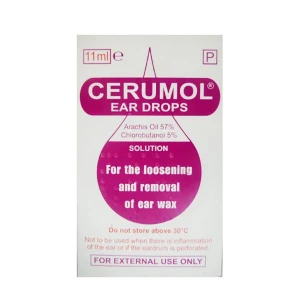
What causes sore ears and how can I treat them at home?
Sore ears can be caused by several things, including earwax build-up, dry skin, infections like otitis externa, or irritation from cold weather or swimming. At home, you can treat sore ears using over-the-counter products like ear drops, sprays, or gentle warm compresses. If it’s due to wax, softening drops can help it clear naturally. Avoid poking or using cotton buds as this can make things worse. If your ear is painful, itchy, or feels blocked for more than a few days, it's best to speak to a pharmacist or doctor.
Are over-the-counter sore ear treatments safe for children?
Yes, many sore ear treatments are made specifically with children in mind. Always read the label to make sure the product is suitable for their age. For example, ear sprays and drops that use natural oils or saline are often safe and gentle for children over 1 or 2 years old. Avoid using anything in the ear if the child has a known ear condition or if fluid is leaking from the ear as this could be a sign of an infection. In these cases, or if you're unsure, it’s best to get advice from a pharmacist or GP before use.
Can sore ears be a sign of an ear infection?
Yes, sore ears can sometimes be caused by an ear infection, especially if the pain is sharp or comes with other symptoms like fever, fluid discharge, or hearing loss. There are two main types of ear infections: outer ear infections (otitis externa), often caused by water or skin irritation, and middle ear infections (otitis media), which are common in children and linked to colds. Over-the-counter pain relief and ear drops can help with mild cases. If symptoms last more than a couple of days or worsen, medical treatment may be needed. Always speak to a pharmacist or GP if unsure.