
Colic & Wind
Colic & wind can make the early weeks tough for both baby and parent. It’s hard to see your little one in pain, especially when the cause is trapped wind or tummy discomfort. Signs of colic include intense crying, clenched fists, and a red face - often in the evenings.



What is the difference between colic and wind?
Colic and wind are closely related but slightly different. Wind happens when air gets trapped in your baby’s tummy, often during feeding. It can cause bloating, fussiness, or the need to burp. Colic, on the other hand, is defined more by the behaviour - long, unexplained crying spells, especially in the evening. A baby with colic might clench their fists, go red in the face, and cry for hours. Wind can be part of the problem, but colic might not always have a clear cause. Both can make a baby uncomfortable, and many treatments work for both issues.
How long does colic last in babies?
Colic usually starts around two to three weeks old and often peaks at six weeks. Most babies outgrow it by three to four months. That said, every baby is different. The crying often happens at the same time each day and can last for hours. It's exhausting for parents, but colic isn’t harmful and doesn't mean anything is wrong. As your baby's digestive system matures and feeding improves, things tend to settle down. If the crying continues beyond four months or you notice other symptoms like weight loss or vomiting, it’s best to speak to your GP.
What helps relieve colic and wind in newborns?
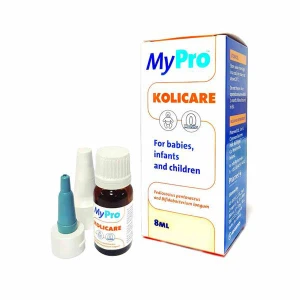
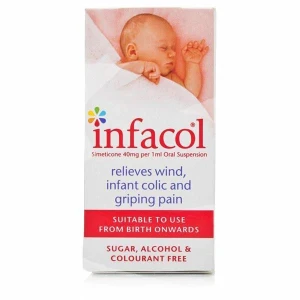
Relieving colic and wind takes some trial and error. Feeding upright, burping during and after feeds, and using anti-colic bottles can help reduce swallowed air. Some parents find gentle tummy massage or leg cycling works well. Gripe water and simethicone drops are common remedies and are safe when used as directed. Keeping a calm, quiet feeding environment can also reduce fussiness. Holding your baby upright after a feed, using a sling, or giving them a warm bath may also soothe symptoms. If you're unsure what’s safe or right for your baby, ask your pharmacist for advice.