
Vitamin D
Vitamin D is essential for strong bones, muscle function, and a healthy immune system. It helps the body absorb calcium, reducing the risk of weak bones and fractures. The body produces Vitamin D when exposed to sunlight, but many people don’t get enough due to limited sun exposure or diet. Supplements provide an easy way to maintain healthy levels. Whether you're looking to support bone health, boost immunity, or prevent deficiencies, Vitamin D plays a key role in overall well-being. Explore our range of high-quality Vitamin D supplements to find the best option for you.
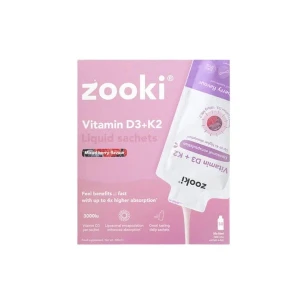
-300x300.webp "Zooki Liposomal Vitamin D3 + K2 3000iu Mixed Berry (30 Sachets)")
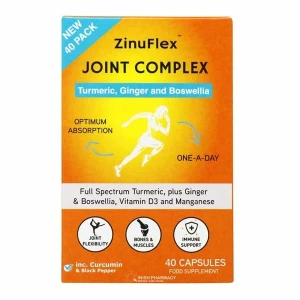
-300x300.webp "Zinuflex (40 tabs)")
600-300x300.webp "Vital Vitamin D Plus Mag B12 K2 (60caps)")
-300x300.webp "Vital Vitamin D Plus Mag B12 K2 (60caps)")


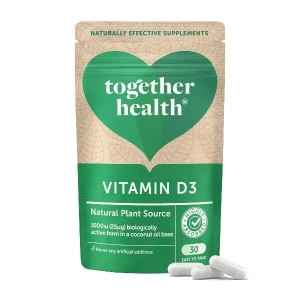
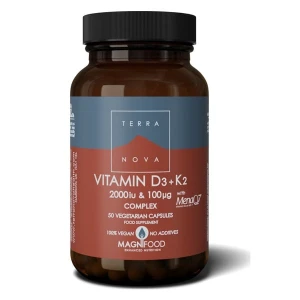
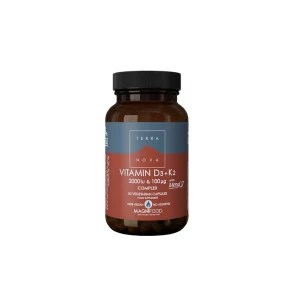
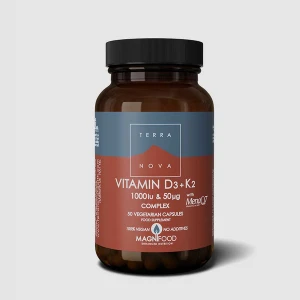
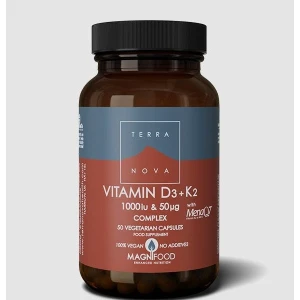
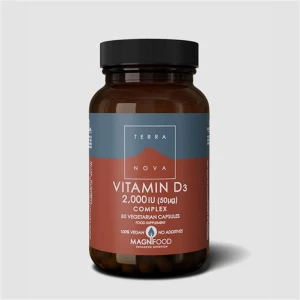
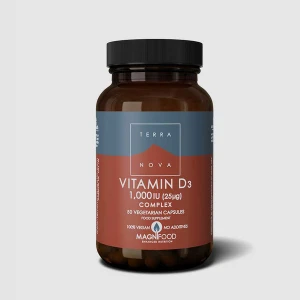
600-300x300.webp "Taka Turmeric Original Joint Care (90 caps)")

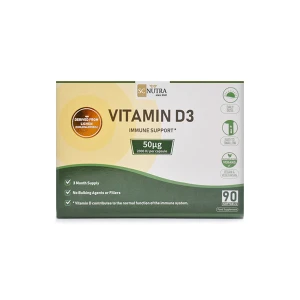



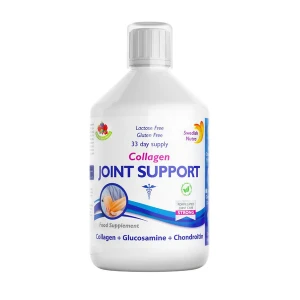
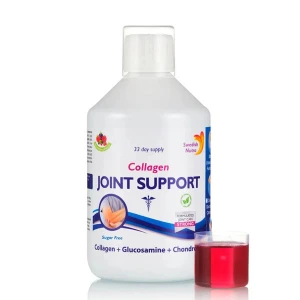
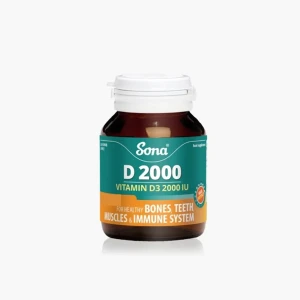
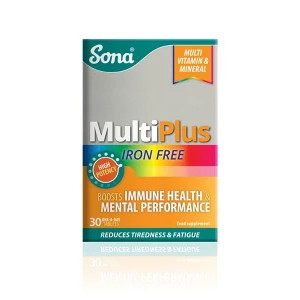



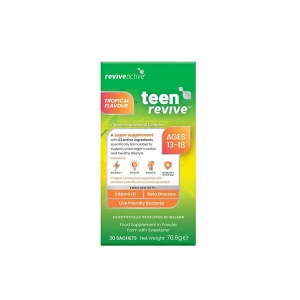
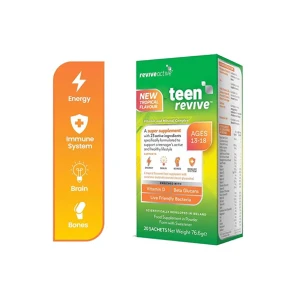
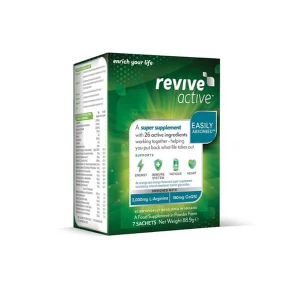
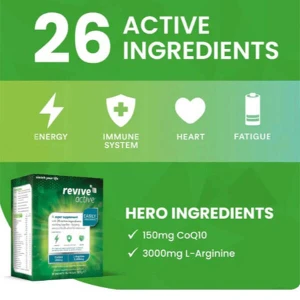
What are the benefits of taking Vitamin D supplements?
Vitamin D supplements help maintain strong bones by improving calcium absorption, reducing the risk of osteoporosis and fractures. They also support immune function, helping the body fight infections more effectively. Research suggests that adequate Vitamin D levels may improve mood and reduce fatigue. For those with limited sun exposure or dietary intake, supplements ensure the body gets enough of this vital nutrient. Taking Vitamin D regularly can help maintain overall health and prevent deficiency-related issues such as muscle weakness and bone pain.
Who should take Vitamin D supplements?
Anyone at risk of Vitamin D deficiency may benefit from supplements. This includes people who spend little time outdoors, those with darker skin (which absorbs less sunlight), and older adults whose skin produces less Vitamin D. People with certain health conditions, such as osteoporosis or weakened immunity, may also need extra Vitamin D. In some cases, dietary intake alone may not be enough, making supplementation a practical solution. It’s always best to consult a healthcare professional to determine the right dosage for your needs.
Can I get enough Vitamin D from sunlight alone?
Sunlight is the best natural source of Vitamin D, but factors such as geography, season, and lifestyle can limit exposure. In winter months, sunlight may not be strong enough for effective Vitamin D production. Additionally, people who work indoors or use sunscreen frequently may not produce enough. While food sources like oily fish, eggs, and fortified dairy provide some Vitamin D, many people still fall short of recommended levels. If you have limited sun exposure, a supplement can help ensure you meet your daily requirements.
What happens if I don’t get enough Vitamin D?
A lack of Vitamin D can lead to weak bones, increasing the risk of fractures and osteoporosis. In children, severe deficiency can cause rickets, a condition that affects bone development. In adults, low levels of Vitamin D may cause muscle weakness, fatigue, and joint pain. Research also links Vitamin D deficiency to a weakened immune system and a higher risk of infections. Long-term deficiency can impact overall well-being, so maintaining healthy levels is important for bone strength, immunity, and energy levels.
Is it possible to take too much Vitamin D?
Yes, excessive Vitamin D intake can lead to toxicity, which may cause high calcium levels in the blood (hypercalcaemia). Symptoms include nausea, vomiting, kidney problems, and confusion. While toxicity is rare, it usually happens from taking very high doses of supplements over time. It’s important to follow recommended guidelines and consult a healthcare professional before taking high-dose Vitamin D supplements. The right balance ensures you get the benefits without unwanted side effects.