
Antihistamines
Antihistamines help relieve allergy symptoms by blocking histamine, a chemical released by the immune system that causes itching, swelling, and sneezing. These medications are commonly used to treat hay fever, hives, and insect bites, offering fast relief from discomfort. They come in various forms, including tablets, syrups, and nasal sprays, making them easy to use for different needs. There are two types of antihistamines: non-drowsy options for daytime use and sedating types that can help at night. Choosing the right one depends on your symptoms and lifestyle.
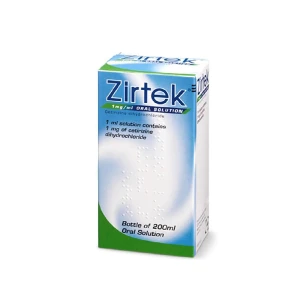
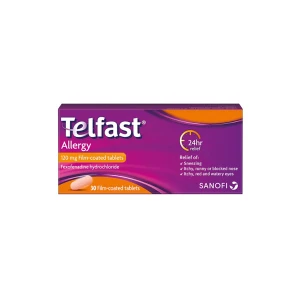

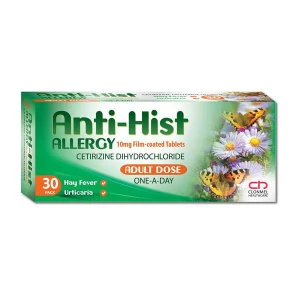
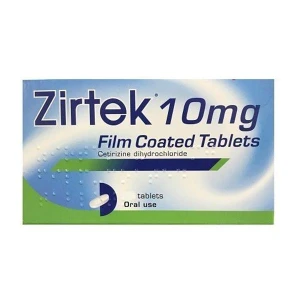

How do antihistamines work?
Antihistamines block histamine, a chemical the body releases during an allergic reaction. Histamine causes symptoms like sneezing, itching, and swelling. By preventing histamine from attaching to its receptors, antihistamines stop these symptoms from developing. Some work quickly, offering relief within 30 minutes, while others are long-acting and help control symptoms throughout the day. They are effective for conditions like hay fever, pet allergies, and food reactions. Some antihistamines may cause drowsiness, so it’s important to choose one that fits your daily routine.
What is the difference between drowsy and non-drowsy antihistamines?
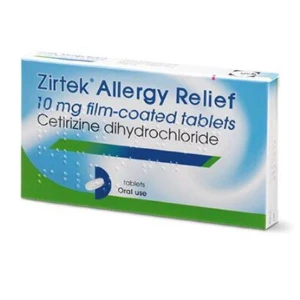
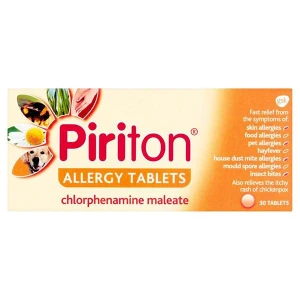
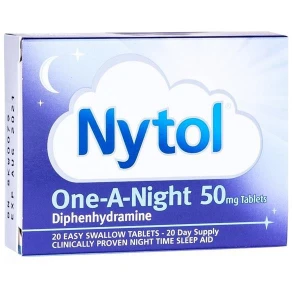
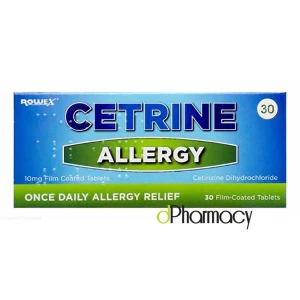
Drowsy antihistamines, like diphenhydramine and chlorphenamine, are older formulations that work well but can cause sleepiness. They are often used at night or for severe allergic reactions. Non-drowsy antihistamines, such as loratadine and cetirizine, are newer options that provide relief without making you tired. These are ideal for daily use, especially for hay fever or pet allergies. If you need to stay alert, a non-drowsy option is best. Always check labels and consult a pharmacist to choose the right antihistamine for your needs.
Can I take antihistamines every day?
Yes, antihistamines can be taken daily, especially for ongoing allergies like hay fever or eczema. Non-drowsy types are safe for long-term use when taken as directed. However, it’s a good idea to review your needs with a doctor or pharmacist if you find yourself relying on them regularly. Some people may develop tolerance over time, meaning the medication becomes less effective. If symptoms persist, switching to a different antihistamine or exploring alternative treatments may be helpful.
Are antihistamines safe for children?
Antihistamines are generally safe for children, but the right type and dosage depend on age. Some formulations are suitable for younger children, while others should only be used from age 6 or older. Syrups are often preferred for younger children as they are easier to measure and swallow. Drowsy antihistamines may be used at night for itching or allergies that disturb sleep. Always check the packaging and consult a healthcare professional before giving antihistamines to a child.