
Tapes
Tapes for injuries provide support, reduce strain, and aid recovery. Kinesiology tape helps stabilise muscles and joints while allowing movement, making it ideal for sports injuries. Athletic tape offers firm support, limiting excessive motion to prevent further damage. These tapes can reduce swelling, improve circulation, and provide pain relief for sprains, strains, or overuse injuries. Whether you need tape for sports, rehabilitation, or everyday support, choosing the right one can help with healing and mobility.
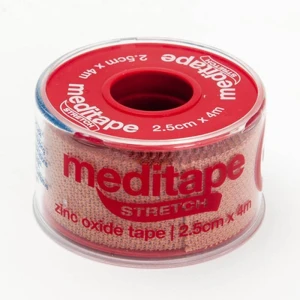
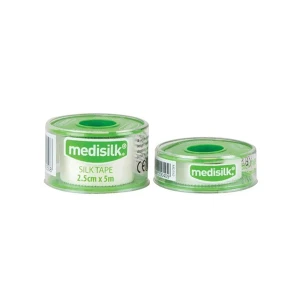
How does kinesiology tape help with injuries?
Kinesiology tape works by lifting the skin slightly, improving circulation and reducing pressure on sore muscles and joints. This can help decrease swelling and discomfort while maintaining mobility. It’s often used for muscle strain, joint support, and recovery after exercise. Unlike rigid athletic tape, kinesiology tape allows movement, making it a good option for active recovery. Proper application is key to effectiveness, so following instructions or seeking guidance from a professional can ensure the best results.
What is the difference between athletic tape and kinesiology tape?
Athletic tape is rigid and designed to restrict movement, providing firm support for injured areas. It’s often used for ankle sprains, wrist support, or taping fingers in sports. Kinesiology tape, on the other hand, is flexible and designed to support muscles and joints while allowing movement. It helps with circulation, reducing swelling and muscle fatigue. Choosing the right tape depends on whether you need restriction for injury prevention or flexible support for recovery.
Can injury tape be used for everyday support?
Yes, both athletic and kinesiology tapes can be used for daily support, especially if you have mild joint instability, muscle fatigue, or ongoing discomfort. Kinesiology tape is great for all-day wear as it moves with your body, while athletic tape provides more rigid stability. If you rely on tape regularly, it’s important to ensure proper application and avoid overuse, as your body still needs to build strength and stability naturally.