
Contraception
Contraception helps prevent pregnancy and allows individuals to plan their reproductive health. There are many options available, including daily pills, patches, injections, and long-term methods like implants and intrauterine devices (IUDs). Each method works differently, so choosing the right one depends on lifestyle, health, and personal preference. At dPharmacy, we offer a range of contraception solutions to help you make informed choices. Whether you need hormonal or non-hormonal options, emergency contraception, or advice on the best method for you, we provide expert-approved products for safe and reliable protection.
FAQs
What types of contraception are available?
There are several contraception methods, including:
Hormonal options – The pill, patch, injection, implant, and hormonal IUD release hormones to prevent pregnancy.
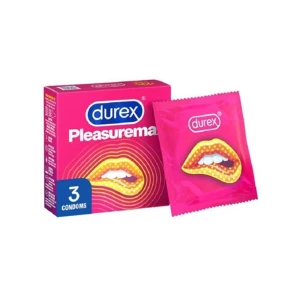
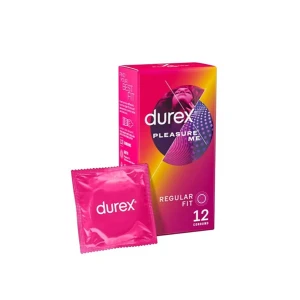
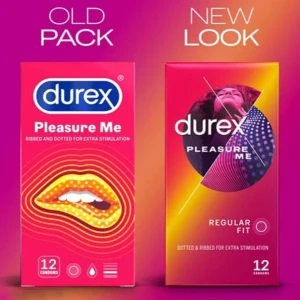
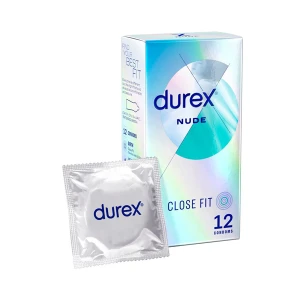
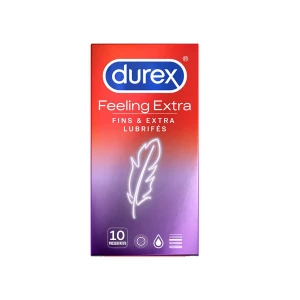
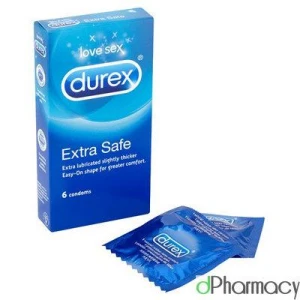
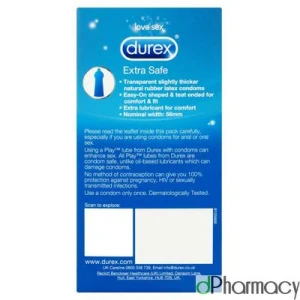
Barrier methods – Condoms and diaphragms physically block sperm from reaching the egg.
Long-term contraception – The copper IUD and hormonal implant provide protection for years.
Emergency contraception – The morning-after pill helps prevent pregnancy after unprotected sex.
Natural methods – Fertility awareness and cycle tracking can be used, but they require careful monitoring.
Choosing the right method depends on personal preference, health conditions, and lifestyle.
How does the contraceptive pill work?
The contraceptive pill contains hormones that prevent ovulation, meaning no egg is released for fertilisation. It also thickens cervical mucus, making it harder for sperm to reach the egg, and thins the uterine lining, reducing the chance of implantation. There are two types:
Combined pill – Contains oestrogen and progestogen, taken daily for 21 days with a 7-day break.
Progestogen-only pill – Taken daily without a break, suitable for those who can’t take oestrogen.
When used correctly, the pill is over 99% effective. However, missing doses or taking certain medications may reduce its effectiveness.
What is the best contraception for long-term use?
Long-term contraception options include:
Hormonal implant – A small rod placed under the skin, lasting up to three years.
Intrauterine device (IUD) – A T-shaped device inserted into the womb, lasting 5-10 years.
Hormonal IUS (intrauterine system) – Similar to the IUD but releases hormones for additional pregnancy prevention.
These methods are highly effective, require little maintenance, and are reversible. A healthcare provider can help decide which is best based on individual health needs.
How effective is emergency contraception?
Emergency contraception can prevent pregnancy if taken soon after unprotected sex. There are two types: