
Vitamin B
Vitamin B is essential for energy production, brain function, and overall well-being. It helps convert food into energy, supports a healthy nervous system, and aids in red blood cell formation. There are eight B vitamins, each playing a unique role in keeping the body functioning properly. While a balanced diet provides Vitamin B, some people may need supplements, especially those with dietary restrictions or high energy demands. Whether you’re looking to boost energy, support mental clarity, or maintain a healthy metabolism, Vitamin B supplements can help. Explore our range to find the right option for your needs.
Subcategories


-300x300.webp "Yummos Pro Collagen Coffee (150g)")
600-300x300.webp "Vital Vitamin D Plus Mag B12 K2 (60caps)")
-300x300.webp "Vital Vitamin D Plus Mag B12 K2 (60caps)")

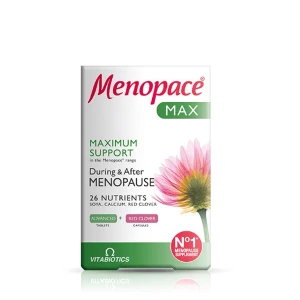
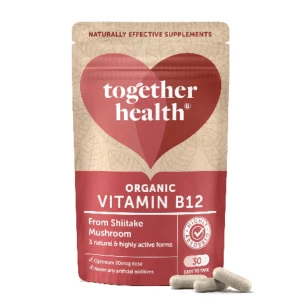
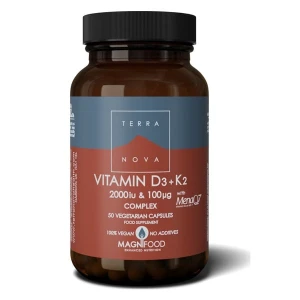

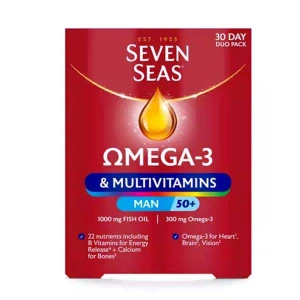
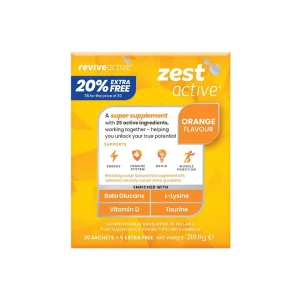
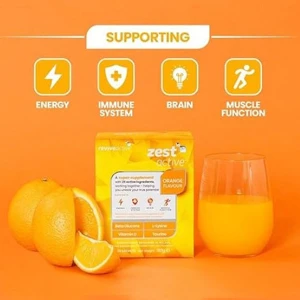
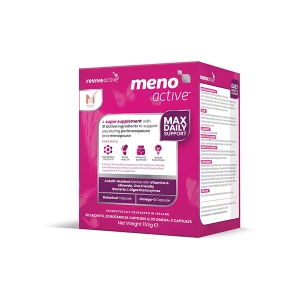

What are the benefits of taking Vitamin B supplements?
Vitamin B supplements support energy levels, brain function, and metabolism. B vitamins, including B1 (thiamine), B6, and B12, help convert food into energy, keeping fatigue at bay. They also support nervous system health, improving mental clarity and reducing stress. Vitamin B12, in particular, is essential for red blood cell production and may help prevent anaemia. Some B vitamins, such as biotin and niacin, also promote healthy skin and hair. If your diet lacks enough B vitamins, supplements can help fill the gap and maintain overall health.
Who should take Vitamin B supplements?
People with restricted diets, such as vegetarians and vegans, may need Vitamin B supplements, particularly B12, which is mainly found in animal products. Older adults often struggle with B12 absorption and may require supplements. Those with high energy demands, including athletes and individuals under stress, may also benefit. Pregnant women need adequate B vitamins for fetal development, especially folic acid (B9). If you experience fatigue, brain fog, or poor metabolism, a Vitamin B supplement could be helpful. Always check with a healthcare professional before starting supplementation.
Can I get enough Vitamin B from food?
Yes, many foods contain B vitamins. Whole grains, dairy, eggs, meat, fish, leafy greens, and legumes are all good sources. However, some people may struggle to get enough from diet alone. Vegans, vegetarians, and older adults are particularly at risk of B12 deficiency. People with certain health conditions, such as digestive disorders, may also have trouble absorbing B vitamins. If your diet lacks these nutrients or you experience deficiency symptoms, a supplement may be a convenient way to ensure adequate intake.
What happens if I don’t get enough Vitamin B?
A Vitamin B deficiency can cause fatigue, weakness, and cognitive issues like brain fog or memory problems. A lack of B12 may lead to anaemia, nerve damage, and tingling in the hands and feet. Insufficient B6 can affect mood and immunity, while low B1 may result in muscle weakness. Deficiencies in B vitamins can also lead to skin issues, hair loss, and digestive problems. Long-term deficiency can impact overall health, so maintaining adequate levels is important for energy, brain function, and metabolism.