
Sores & Burns
Sores & burns can be painful and slow to heal without the right treatment. Using the correct products helps to ease discomfort, reduce infection risk, and support healing. Whether it’s a blister, sunburn, or a kitchen scald, having the right care at home makes all the difference. Keep your first aid box stocked so you're ready to act fast and avoid long-term skin problems.


What is the best treatment for minor burns?
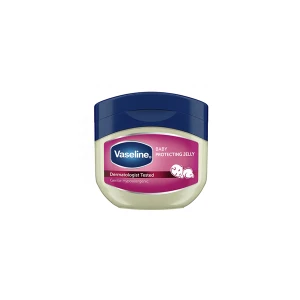
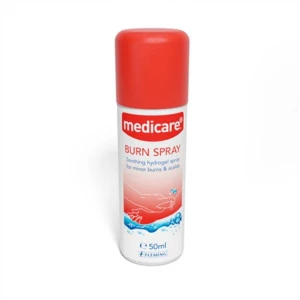
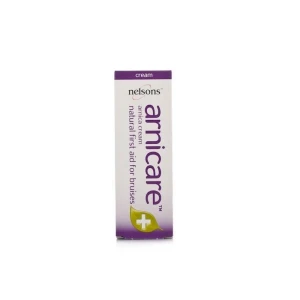
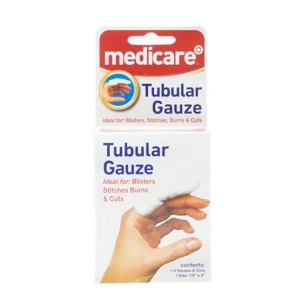
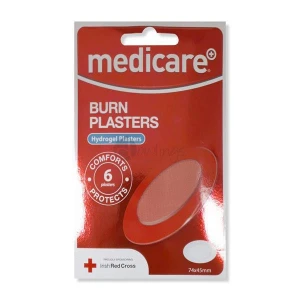
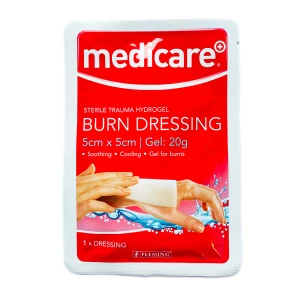
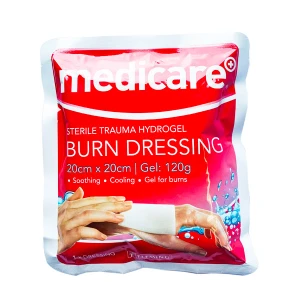
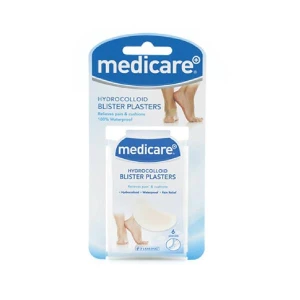
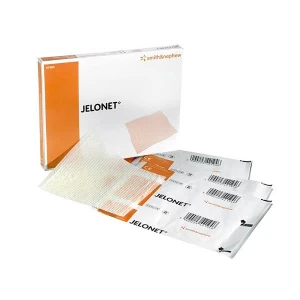
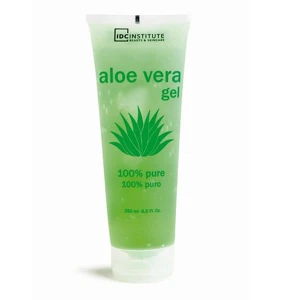
The best way to treat a minor burn is to cool the skin under cool running water for at least 20 minutes. After cooling, gently pat the area dry and apply a suitable burn gel or cream to reduce pain and help the skin heal. Products with aloe vera or hydrogel are great for soothing. Do not use ice, butter, or toothpaste, as they can make the burn worse. Cover the burn with a clean, non-stick dressing to protect it. Over-the-counter pain relief may also help if needed. If the burn starts to blister, avoid popping it.
How should I treat open sores at home?
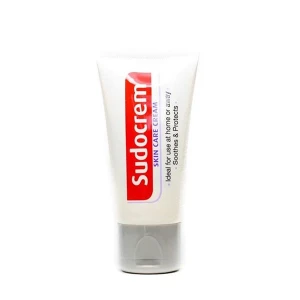
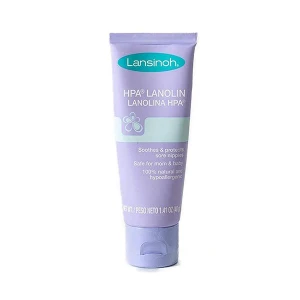
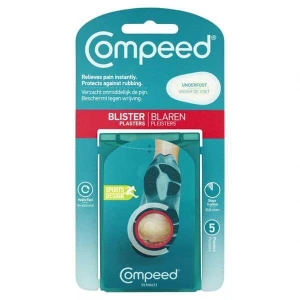
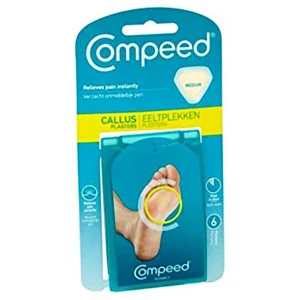
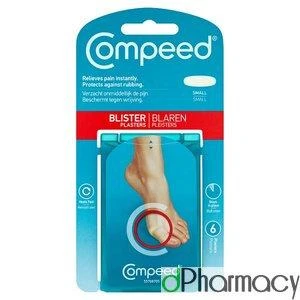
Clean the area with mild soap and water. Avoid strong antiseptics unless advised by a pharmacist or doctor, as they can irritate the skin. Apply an antibacterial cream or gel to help stop infection. Cover the sore with a sterile plaster or dressing. Change the dressing daily, or more often if it gets wet or dirty. Keep the area dry and clean, and wash your hands before and after touching it. If the sore does not improve within a few days, becomes red or swollen, or starts to leak pus, speak to a pharmacist or doctor for advice.
Can I use burn cream on sunburn?
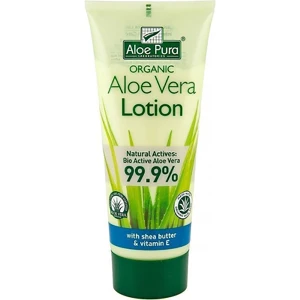
Yes, burn creams that contain soothing ingredients like aloe vera or lidocaine can help ease pain and reduce redness in sunburned skin. These creams cool the skin and may help prevent peeling. Avoid using greasy ointments or anything that can trap heat in the skin. For mild sunburn, moisturisers or after-sun lotions containing Aloe Vera also help.