
Dry Eye
Dry eye is a common issue that affects how your eyes feel and function. It happens when your eyes don’t produce enough tears, or the tears you do have aren’t good quality. This leads to a gritty or burning feeling, watery eyes, and even blurred vision. It can be mild or quite uncomfortable, depending on the cause.
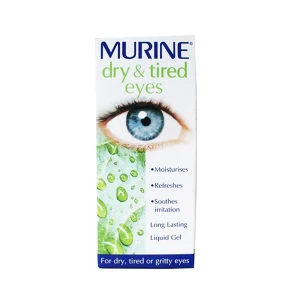
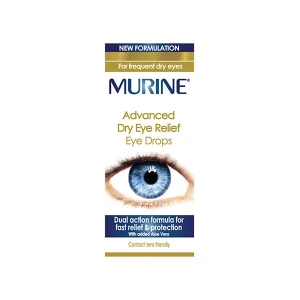
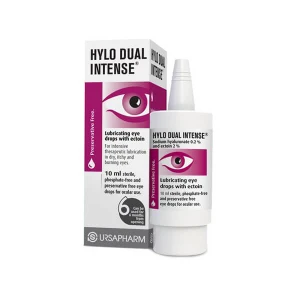
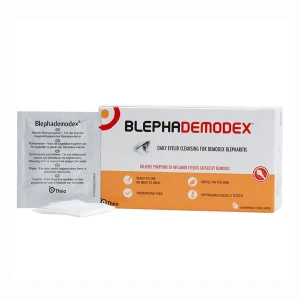
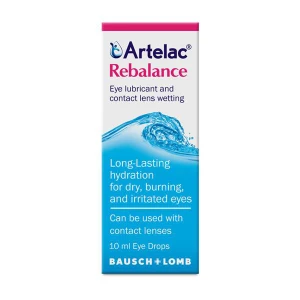
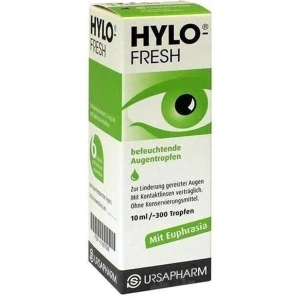
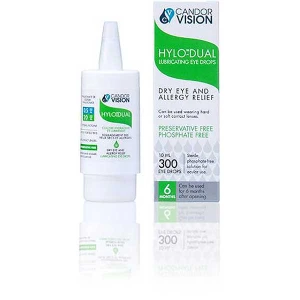
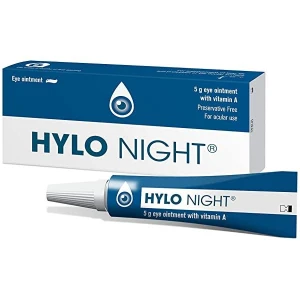
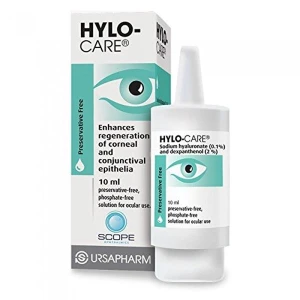
What causes dry eyes?
Dry eyes can be caused by a few different things. One of the most common reasons is that the eyes aren’t making enough tears, or the tears evaporate too quickly. This can happen if you spend long hours looking at a screen, are in a dry or windy environment, or wear contact lenses. Hormonal changes, particularly during menopause, can also play a role. Certain medications, including antihistamines and antidepressants, might also reduce tear production.
Can dry eyes go away on their own?
Sometimes dry eyes might improve without treatment if it's caused by something temporary, like a short cold or staying up late one night. But if dry eye is ongoing, it usually needs some help to settle down. Lifestyle changes, like reducing screen time, using a humidifier, or wearing wraparound glasses outside, can help reduce symptoms. Still, most people need eye drops or similar treatments to manage their comfort. Ignoring dry eye could lead to more irritation or even damage to the eye’s surface over time, so it’s worth getting sorted sooner rather than later.
Are dry eye drops safe to use every day?
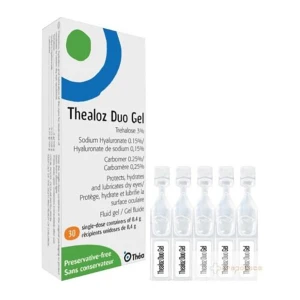
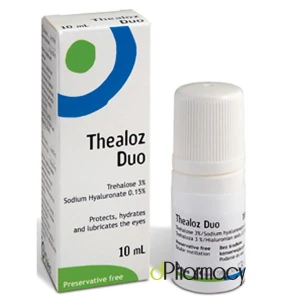
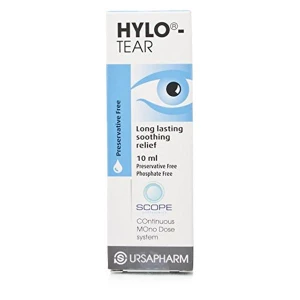
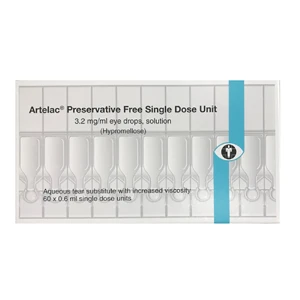
Yes, most dry eye drops—especially the ones marked as "preservative-free"—are safe to use every day. In fact, using them regularly can help keep symptoms under control and stop flare-ups. Preservative-free options are gentler and ideal for people who need drops several times a day. If you're using medicated drops or have been told to use a particular brand by your pharmacist or doctor, follow the advice given.