
Arthritis Pain

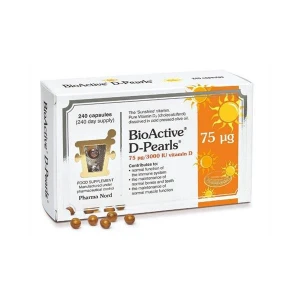
-300x300.webp "Pharmanord Bioactive Vitamin D 75ug 240pack")
600-300x300.webp "Macanta Joint Complex With Uc-ii Collagen (30caps)")
-300x300.webp "Macanta Joint Complex With Uc-ii Collagen (30caps)")



-300x300.webp "Healthreach Collagen Pure Unflavoured Powder 165 g (30 Day) -")
-300x300.webp "Healthreach Collagen Pure Unflavoured Powder 165 g (30 Day) -")

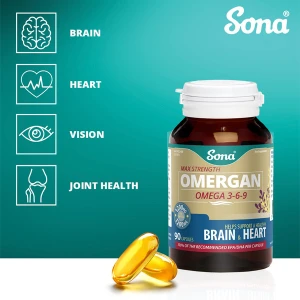
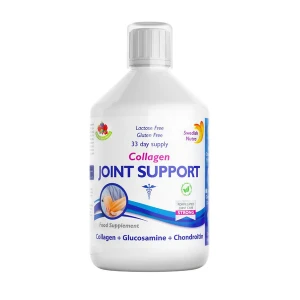
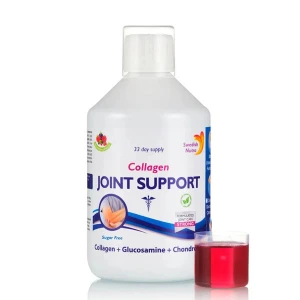
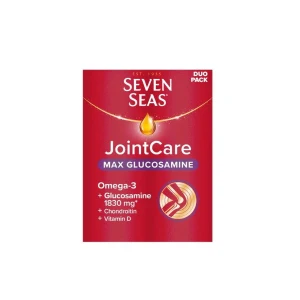
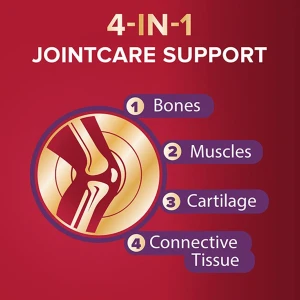
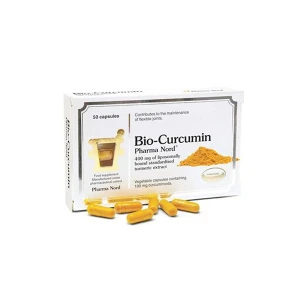
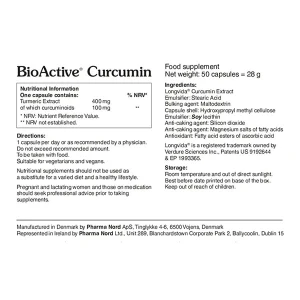
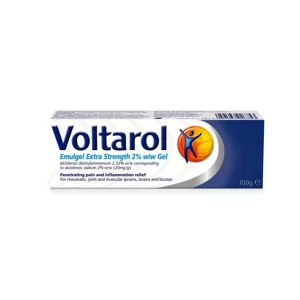
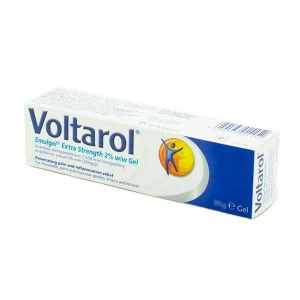
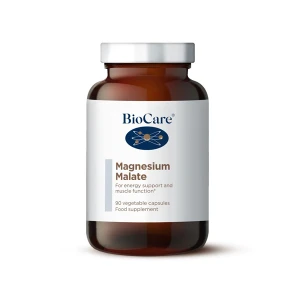
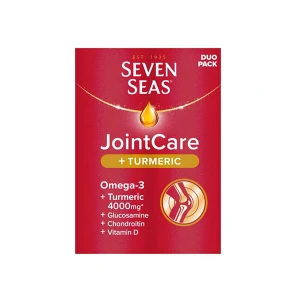
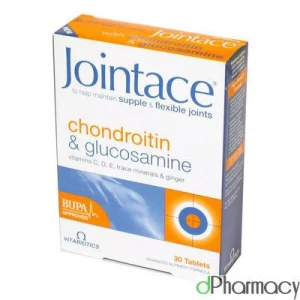
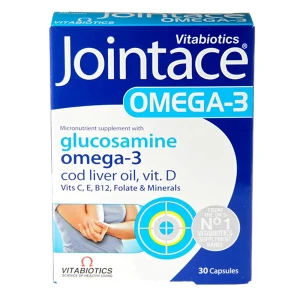

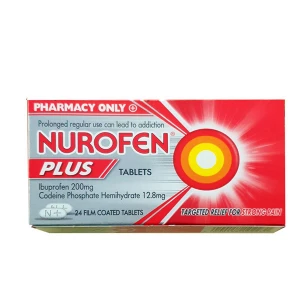

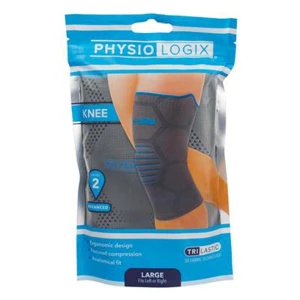
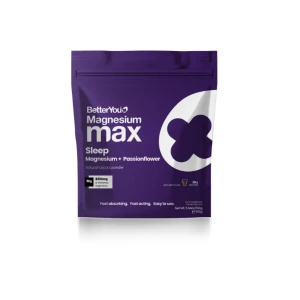
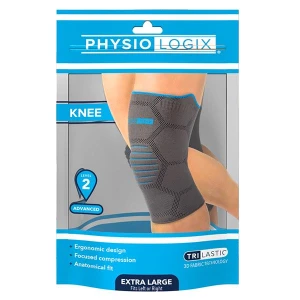
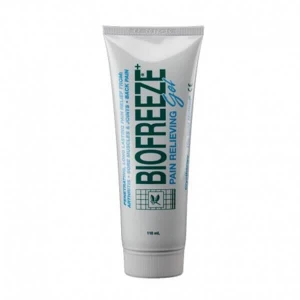
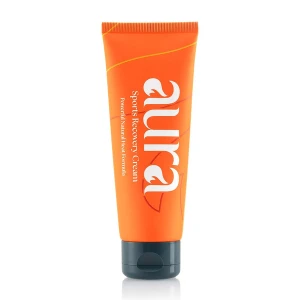
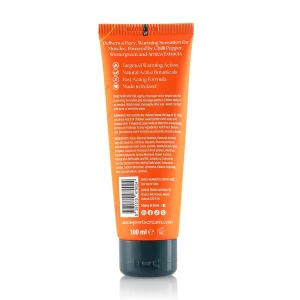
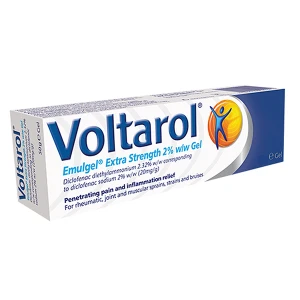

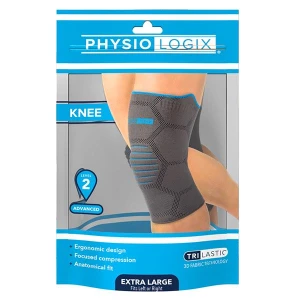
Managing arthritis pain effectively can help improve mobility and overall quality of life. Whether you're dealing with joint stiffness, inflammation, or chronic discomfort, the right pain relief can make daily activities easier. We offer a wide range of arthritis pain relief products, including anti-inflammatory tablets, topical gels, and heat therapy solutions. Designed to ease joint pain and reduce swelling, these treatments provide targeted relief to keep you moving comfortably. Explore trusted brands and specialised options for long-term joint support.
What are the best treatments for arthritis pain relief?
Arthritis pain relief options include oral painkillers, such as ibuprofen and paracetamol, which help reduce inflammation and discomfort. Topical gels containing diclofenac can provide direct relief to affected joints. Heat therapy, such as heat patches or warm baths, can improve circulation and ease stiffness. Supplements like glucosamine and omega-3s may also support long-term joint health.
How does heat therapy help with arthritis pain?
Heat therapy increases blood flow to affected areas, relaxing muscles and reducing stiffness. Arthritis pain can be managed with heat pads, warm compresses, or heated joint supports. Many people find that applying heat in the morning or after physical activity helps improve movement and comfort.
Are there non-medicated options for arthritis pain relief?
Yes, several non-medicated arthritis pain relief options can help. Exercise, such as gentle stretching and low-impact activities like swimming, can maintain joint flexibility. Weight management reduces pressure on joints, while physiotherapy and massage can improve mobility. Supportive braces and compression gloves may also ease discomfort during daily activities.
What is the difference between osteoarthritis and rheumatoid arthritis?
Osteoarthritis is a degenerative condition caused by wear and tear on the joints, leading to stiffness and pain over time. Rheumatoid arthritis is an autoimmune disorder where the immune system attacks joint tissues, causing inflammation and damage. Both conditions can benefit from arthritis pain relief treatments, but rheumatoid arthritis often requires medical management.
When should I see a doctor for arthritis pain?
If arthritis pain becomes severe, affects daily activities, or does not improve with over-the-counter treatments, consult a doctor. Persistent swelling, joint deformity, or difficulty moving may indicate the need for specialist care. A medical professional can recommend stronger treatments, physiotherapy, or lifestyle adjustments to help manage symptoms effectively.