
First Aid Kits
First aid kits are essential for treating minor injuries at home, at work, or on the go. A good kit helps manage cuts, burns, sprains, and other small accidents quickly. Having one nearby means you can give the right care straight away. Whether it’s for everyday accidents or unexpected emergencies, a well-stocked first aid kit can make a big difference.
_dpharmacy-300x300.webp "Medicare Transparent Plasters Family Pack (50)")
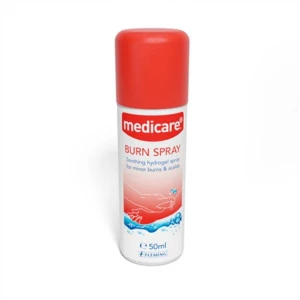
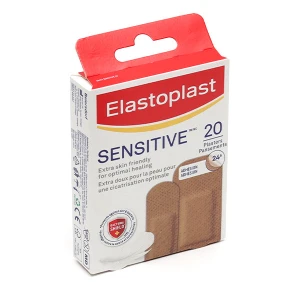
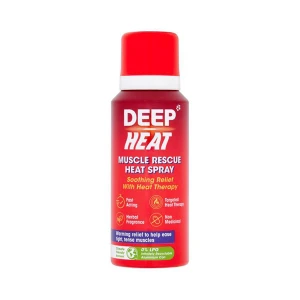
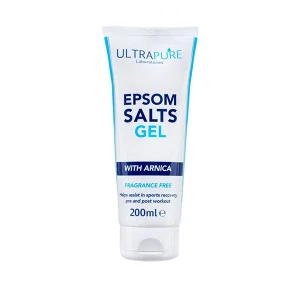
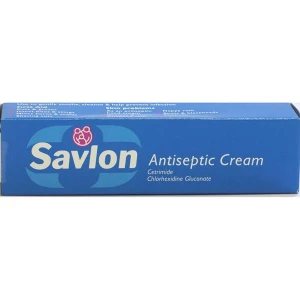
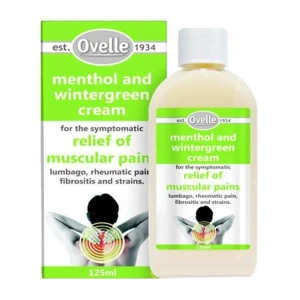
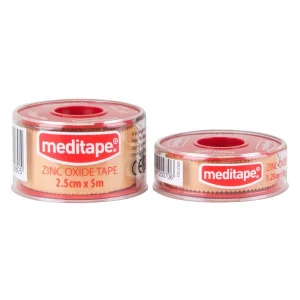
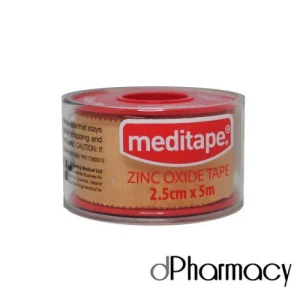
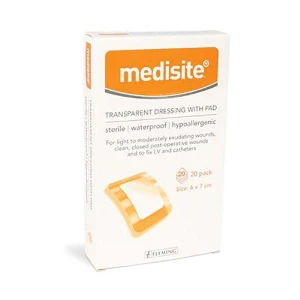
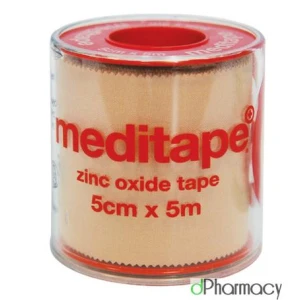
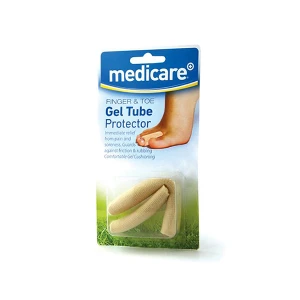
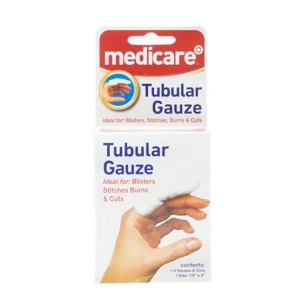
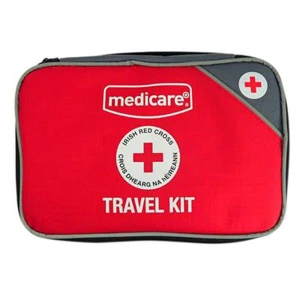
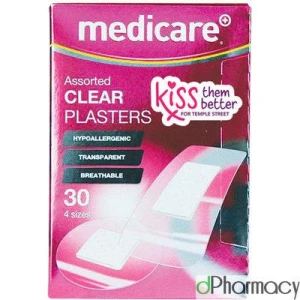
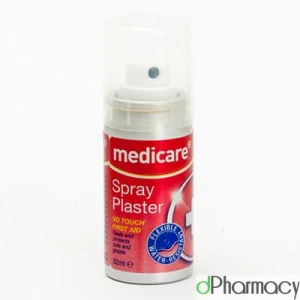
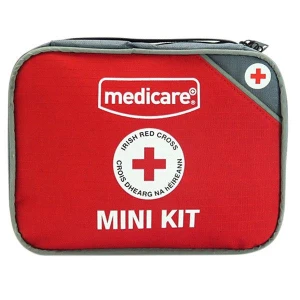
What should a basic first aid kit contain?
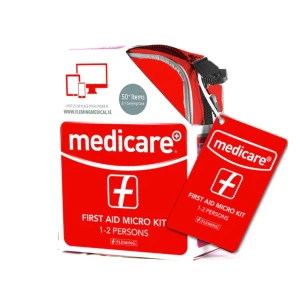
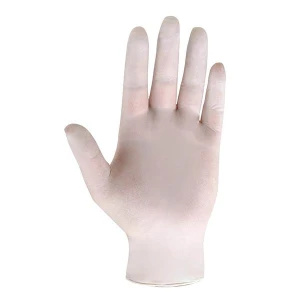
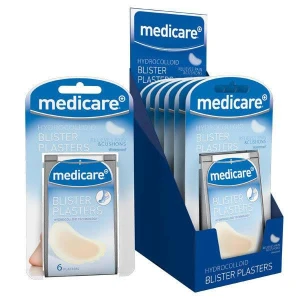
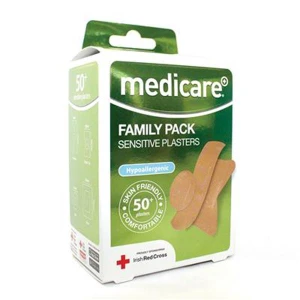
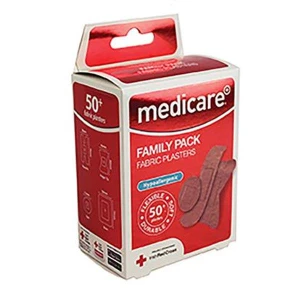
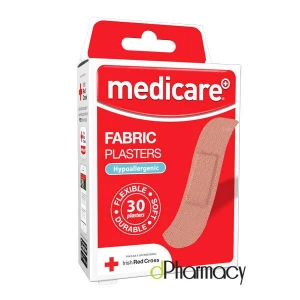
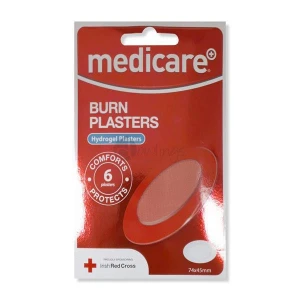
A basic first aid kit should include items that help treat minor injuries and prevent infection. Key items are sterile plasters in various sizes, antiseptic wipes, bandages, adhesive tape, scissors, tweezers, and disposable gloves. It should also have a digital thermometer, safety pins, and a first aid guide. For burns, include a cooling gel or dressing. Pain relief such as paracetamol or ibuprofen is also useful. Keeping everything clean and dry in a sturdy box or bag helps maintain hygiene. Always check expiry dates and replace used or outdated items to keep the kit safe and effective.
How often should I check and update my first aid kit?
You should check your first aid kit every three to six months. Items like antiseptic wipes, creams, and pain relief tablets have expiry dates and lose effectiveness over time. Replace anything that’s been used or looks damaged. If you’ve had to treat a wound or injury, restock immediately after. It’s also good to update your kit based on changes in health needs, such as adding allergy tablets or specific medication. A regular check helps make sure your kit stays ready for use and keeps everyone safe, whether at home, at work, or while travelling.
Are workplace first aid kits different from home kits?
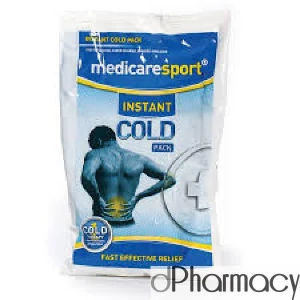
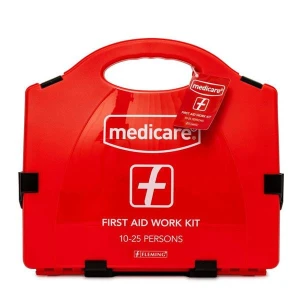
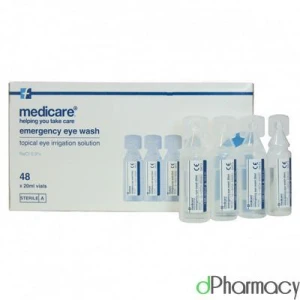
Yes, workplace first aid kits often contain more supplies than home kits. The contents depend on the type of work and the number of people in the workplace. They usually include extra bandages, larger wound dressings, eye wash, and burn treatment supplies. Some workplaces may also require kits with items specific to the job, like cold packs or eye pads. Employers must follow health and safety guidelines to keep kits well-stocked and accessible. Home kits tend to be smaller, with just the basics for common injuries like cuts or burns.