
PCOS
PCOS (Polycystic Ovary Syndrome) is a common hormonal condition that affects how the ovaries work. It can cause irregular periods, excess androgen levels, and cysts on the ovaries. Many people with PCOS experience symptoms like weight gain, acne, hair thinning, and fertility issues. While there is no cure, treatment focuses on managing symptoms through lifestyle changes, medications, and hormonal therapy. Early diagnosis and the right treatment plan can help improve overall health and reduce long-term risks such as diabetes and heart disease. Understanding PCOS and seeking the right support can make a big difference in daily well-being.

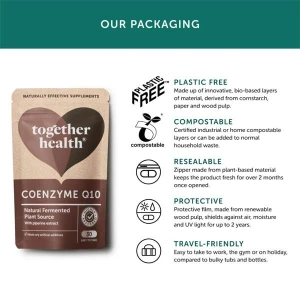

%20(50caps)600-300x300.webp "Terranova Nutrition Coqxorb Coq10 Complex (biosneds) (50caps)")
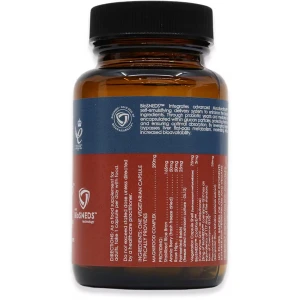


600-300x300.webp "Mushrooms 4 Life Original Mycomplex (60 caps)")


600-300x300.webp "Mushrooms 4 Life Original Maitake Caps (60 caps)")


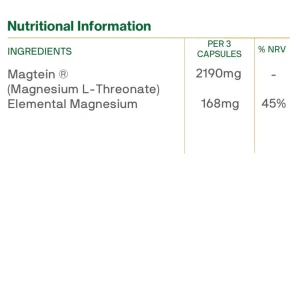
600-300x300.webp "Macanta Magtein Magnesium L-Threonate (90caps)")

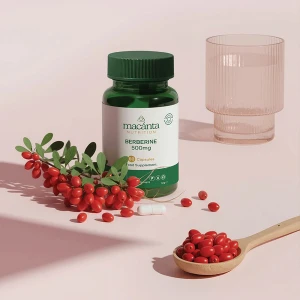
-300x300.webp "Higher Nature Alpha Lipoic Acid (90 Tabs)")

-300x300.webp "Ayurvediq Wellness Original Shatavari (120caps)")
-300x300.webp "Ayurvediq Wellness Original Shatavari (120caps)")
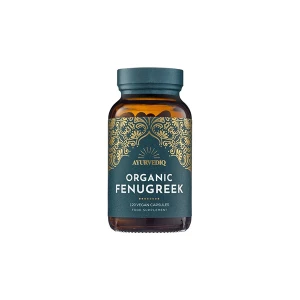
-300x300.webp "Ayurvediq Wellness Original Fenugreek (120caps)")
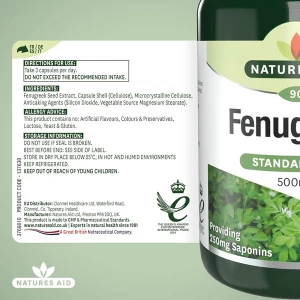
What are the first signs of PCOS?
The first signs of PCOS can vary, but many experience irregular or missed periods due to ovulation issues. Some notice increased facial or body hair growth, acne, or thinning hair on the scalp caused by higher androgen levels. Weight gain, especially around the abdomen, is also common. Other symptoms include mood changes, fatigue, and difficulty conceiving. Since PCOS affects hormone levels, symptoms can appear gradually. If you have persistent menstrual irregularities or other signs, speaking to a doctor can help with early diagnosis and treatment.
What causes PCOS?
The exact cause of PCOS isn’t fully understood, but it’s linked to hormonal imbalances and genetics. High levels of insulin, a hormone that regulates blood sugar, can contribute to excess androgen production, which disrupts ovulation. Genetics may also play a role, as PCOS tends to run in families. Inflammation in the body may worsen symptoms. While there’s no single cause, managing insulin levels and hormone balance through diet, exercise, and medication can help reduce symptoms and improve overall health.
How is PCOS diagnosed?
PCOS is diagnosed based on symptoms, medical history, and tests. A doctor may check for irregular periods, signs of high androgen levels (such as acne or excess hair growth), and perform an ultrasound to look for ovarian cysts. Blood tests can measure hormone levels and check for insulin resistance. Since PCOS shares symptoms with other conditions, doctors rule out other causes before confirming a diagnosis. If you suspect PCOS, seeking medical advice can help with early management and prevent long-term health risks.
Can PCOS be cured?
There is no cure for PCOS, but symptoms can be managed with the right treatment. Lifestyle changes, such as a balanced diet and regular exercise, help regulate hormones and improve insulin sensitivity. Medications like birth control pills, anti-androgen drugs, and insulin-sensitising treatments can help control symptoms. If fertility is a concern, ovulation-stimulating medications may be recommended. With proper management, many people with PCOS live healthy, active lives and reduce the risk of long-term complications.