
Sinus.
Sinus pain can make breathing difficult and cause discomfort around your eyes, forehead, and cheeks. It often results from sinus infections, allergies, or colds, leading to pressure and congestion. The pain can be dull or sharp, worsening when you bend forward. Effective relief includes nasal sprays, steam inhalation, and pain relievers to reduce swelling and clear mucus. Staying hydrated and using saline rinses can also help. If symptoms persist or worsen, medical treatment may be necessary. Find the right sinus pain remedies to relieve pressure and breathe easier
Subcategories

-300x300.webp "Vicks Babyrub 50g")

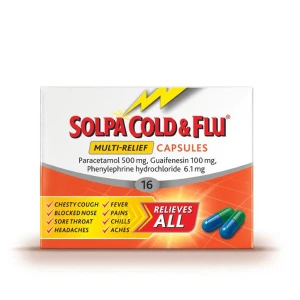
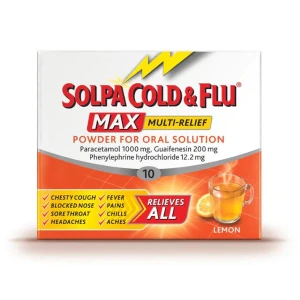
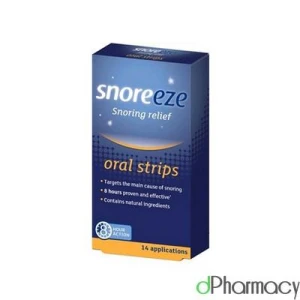
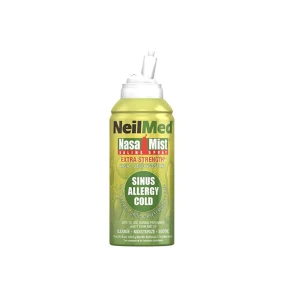
-300x300.webp "Atlantic Aromatics Tea Tree Essential Oil 50ml")
-300x300.webp "Atlantic Aromatics Tea Tree Essential Oil 50ml")
-300x300.webp "Atlantic Aromatics Original Niaouli Oil - Madagascar (10 ml)")
-300x300.webp "Atlantic Aromatics Original Niaouli Oil - Madagascar (10 ml)")
%20-%20Copy-300x300.webp "Atlantic Aromatics Cajuput Oil (5 Ml)")
-300x300.webp "Atlantic Aromatics Cajuput Oil (5 Ml)")
-300x300.webp "Atlantic Aromatics Balsam Fir Oil - Canada (5 ml)")
-300x300.webp "Atlantic Aromatics Balsam Fir Oil - Canada (5 ml)")
-300x300.webp "Absolute Aromas Wellbeing Kit (3x10 ml) -")
-300x300.webp "Absolute Aromas Ravintsara Essential Oil (10 ml)")
-300x300.webp "Absolute Aromas Organic Eucalyptus Radiata (10 ml)")
-300x300.webp "Absolute Aromas Organic Eucalyptus Radiata (10 ml)")
-300x300.webp "Absolute Aromas Eucalyptus Globulus (30 ml)")
-300x300.webp "Absolute Aromas Eucalyptus Globulus (30 ml)")
-300x300.webp "Absolute Aromas Camphor (10 ml)")
-300x300.webp "Absolute Aromas Camphor (10 ml)")
What causes sinus pain?
Sinus pain happens when the sinus cavities become inflamed or blocked, trapping mucus and causing pressure. Common causes include colds, flu, allergies, and sinus infections. Dry air, smoke, and pollutants can also irritate the sinuses, leading to discomfort. Structural issues like nasal polyps or a deviated septum may contribute to ongoing sinus pain. Identifying the cause is key to finding the right treatment. Simple remedies like steam inhalation, saline sprays, and hydration can ease mild symptoms, while severe or recurring sinus pain may need medical attention.
How can I relieve sinus pain at home?
Home remedies can help reduce sinus pain and pressure. Steam inhalation with essential oils like eucalyptus can open nasal passages, while saline sprays clear mucus buildup. Staying hydrated thins mucus, making it easier to drain. Applying a warm compress to the face can also provide relief by improving circulation and reducing inflammation. Over-the-counter pain relievers like ibuprofen or paracetamol can ease discomfort. Avoiding allergens and using a humidifier can prevent further irritation. If symptoms persist for more than 10 days or worsen, consult a healthcare professional.
When should I see a doctor for sinus pain?
If sinus pain lasts more than 10 days, worsens over time, or is accompanied by fever, facial swelling, or vision problems, a doctor’s visit is necessary. These symptoms may indicate a bacterial infection needing antibiotics. Frequent or chronic sinus pain could be linked to allergies or structural issues like nasal polyps. A doctor can assess the cause and recommend treatments, including antihistamines, nasal sprays, or, in severe cases, surgery. Seeking medical advice early can prevent complications and ensure long-term relief.
Can allergies cause sinus pain?
Yes, allergies can trigger sinus pain by causing inflammation and mucus buildup in the sinuses. Pollen, dust, pet dander, and mould are common allergens that lead to congestion and pressure. Antihistamines and nasal sprays help control allergic reactions and reduce sinus discomfort. Avoiding allergens and using air purifiers can also prevent flare-ups. If allergy symptoms persist and lead to frequent sinus pain, allergy testing and immunotherapy may be options to consider for long-term relief.
What treatments work best for sinus pain relief?
The best treatments depend on the cause of sinus pain. Nasal decongestant sprays provide quick relief but should not be used for more than three days to avoid rebound congestion. Antihistamines help if allergies are the cause. Pain relievers like ibuprofen or paracetamol reduce inflammation and discomfort. Saline rinses and steam inhalation help clear mucus and open nasal passages. For bacterial sinus infections, antibiotics may be necessary. Lifestyle changes like staying hydrated and avoiding triggers can also support sinus health and prevent recurring pain.