
Iron
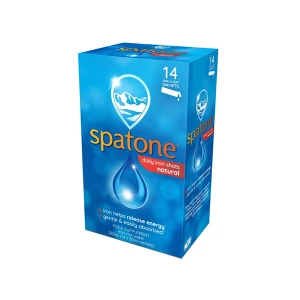
Iron is an essential mineral that helps the body produce haemoglobin, the protein in red blood cells that carries oxygen. Without enough iron, oxygen transport is reduced, leading to fatigue, weakness, and pale skin. Iron is especially important for women, athletes, and those with low dietary intake. While iron is found in red meat, beans, and leafy greens, some people may struggle to absorb enough. Iron supplements help maintain healthy levels, preventing tiredness and supporting overall well-being. A balanced iron intake is key to keeping energy levels stable and reducing the risk of anaemia.
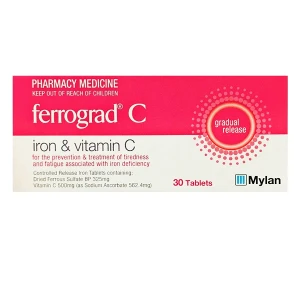
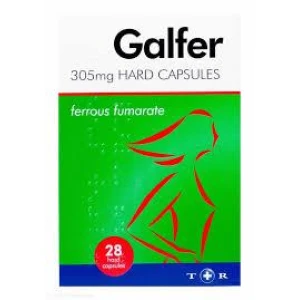
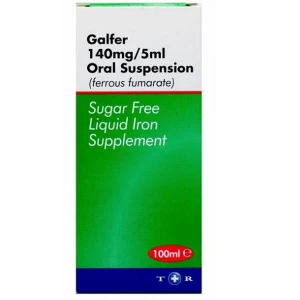
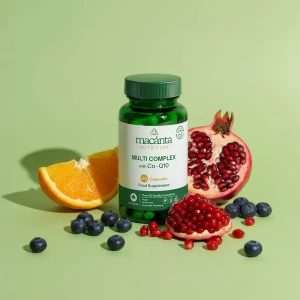
600-300x300.webp "Macanta Multi-complex With Co-q10 (60caps)")
-300x300.webp "Higher Nature Chlorella Tablets (180tbs)")
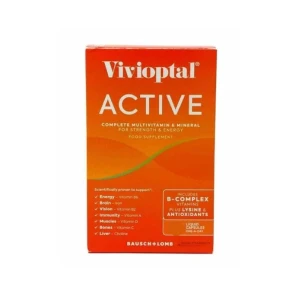
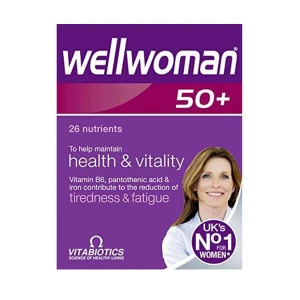
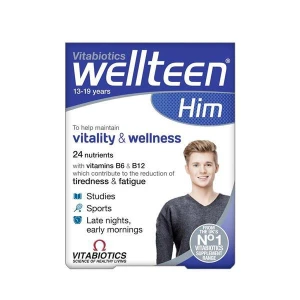
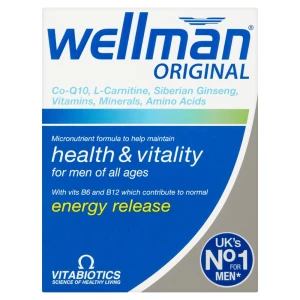
Why is iron important for the body?
Iron helps the body produce haemoglobin, which carries oxygen in the blood. Without enough iron, red blood cells cannot transport oxygen efficiently, leading to fatigue, weakness, and dizziness. Iron also supports brain function, muscle health, and the immune system. Women, vegetarians, and people with certain health conditions may need extra iron. Getting enough iron through diet or supplements ensures the body functions properly and maintains steady energy levels.
What are the symptoms of iron deficiency?
Iron deficiency can cause tiredness, pale skin, dizziness, shortness of breath, and difficulty concentrating. In severe cases, it can lead to anaemia, a condition where the body does not produce enough healthy red blood cells. Other signs include brittle nails, cold hands and feet, and frequent infections. If you experience these symptoms, a blood test can check your iron levels. Supplements or iron-rich foods can help restore balance and improve energy levels.
How much iron do I need daily?
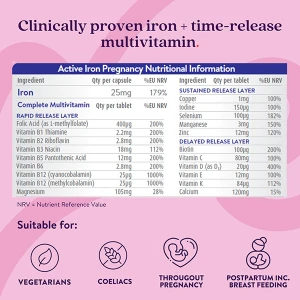
The daily iron requirement depends on age, gender, and lifestyle. Adult men need about 8 mg, while women under 50 require 14-18 mg due to menstrual blood loss. Pregnant women need around 27 mg to support foetal growth. Vegetarians may need more because plant-based iron is harder to absorb. While diet provides iron, supplements may be necessary for those with low levels. Too much iron can be harmful, so it's best to follow recommended amounts.
Is it safe to take iron supplements?
Iron supplements are safe when taken in the right amounts. They help prevent and treat iron deficiency, especially for those at risk. However, too much iron can cause constipation, nausea, or stomach pain. In rare cases, excessive intake can lead to iron overload, affecting the liver and heart. It’s best to take iron under medical advice and follow the recommended dosage. If unsure, a blood test can determine if supplementation is needed.
Can I get enough iron from my diet?
Many people get enough iron from food, including red meat, poultry, fish, beans, lentils, and leafy greens. However, iron from plant sources is not as easily absorbed as from meat. Eating vitamin C-rich foods like oranges and peppers can help improve absorption. Some people, such as vegetarians, pregnant women, and those with digestive issues, may need extra iron. If you struggle with low levels, a supplement can help maintain a healthy balance.