
Pregnancy Supplements
Pregnancy is a life-changing journey that brings excitement, anticipation, and new responsibilities. Taking care of both mother and baby is essential for a healthy pregnancy. From prenatal vitamins to morning sickness relief and maternity skincare, the right products can help support well-being at every stage. At dPharmacy, we provide expert-recommended pregnancy essentials. Whether you need supplements, skincare, or support for common symptoms like nausea or fatigue, we offer safe and reliable options to help you feel your best throughout pregnancy.

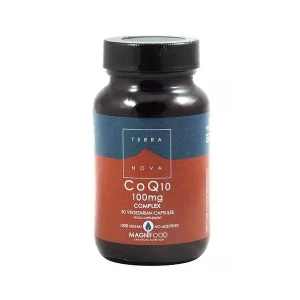
600-300x300.webp "Natures Aid Co Enzyme Q10 100mg (90caps)")



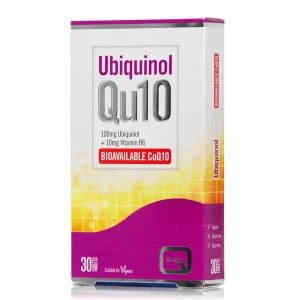
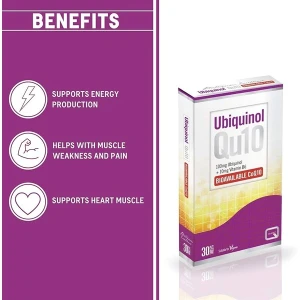
600-300x300.webp "Higher Nature Co-enzyme Q10 (90tabs)")

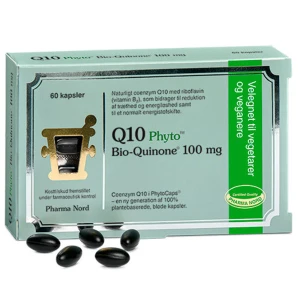
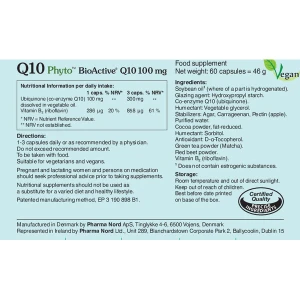
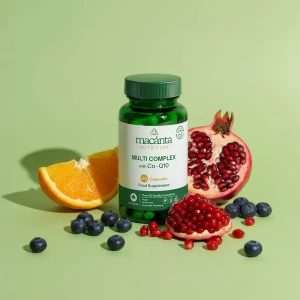
600-300x300.webp "Macanta Multi-complex With Co-q10 (60caps)")
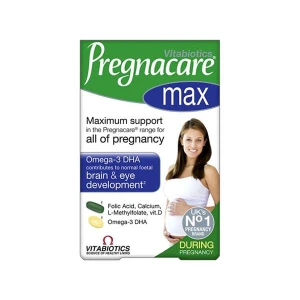




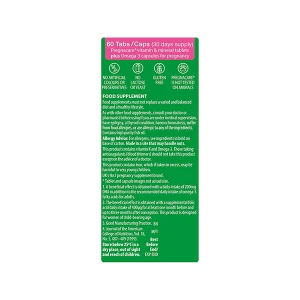

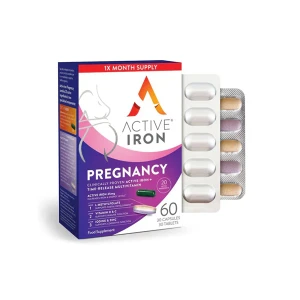
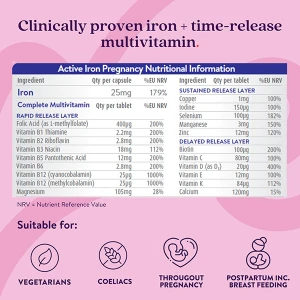


-300x300.webp "Ayurvediq Wellness Original Fenugreek (120caps)")
600-300x300.webp "Ayurvediq Wellness Original Moringa Caps (120caps)")
-300x300.webp "Ayurvediq Wellness Original Moringa Caps (120caps)")


600-300x300.webp "Macanta Coq10 100mg With MCT Oil (30caps)")

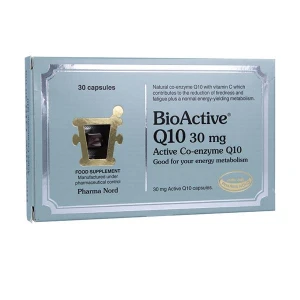

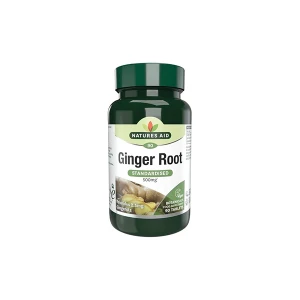
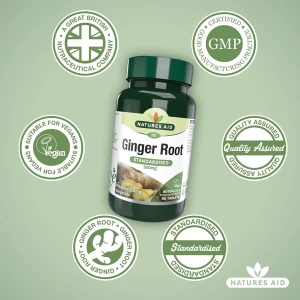
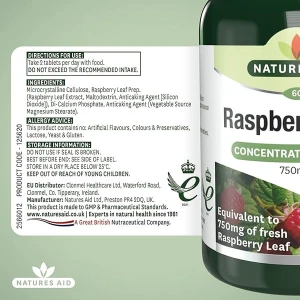



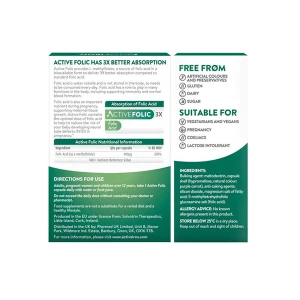


What vitamins should I take during pregnancy?
During pregnancy, certain vitamins and minerals support both maternal health and baby development. Key supplements include:
Folic acid – Helps prevent neural tube defects. Recommended at 400 mcg daily before and during early pregnancy.
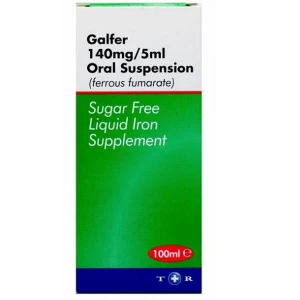
Iron – Supports red blood cell production and prevents anaemia.
Calcium – Important for baby’s bone development and maternal bone health.
Vitamin D – Aids calcium absorption and supports immune function.
Omega-3 (DHA) – Supports baby’s brain and eye development.
A balanced diet is essential, but supplements help fill nutritional gaps. Always check with a healthcare provider before taking any new vitamins.
How can I relieve morning sickness?
Morning sickness, which includes nausea and vomiting, is common in early pregnancy. Some ways to manage it include:
Eating small, frequent meals – An empty stomach can worsen nausea.
Choosing bland foods – Crackers, dry toast, or plain rice may help.
Staying hydrated – Sipping water or ginger tea can ease symptoms.
Avoiding strong smells – Certain odours may trigger nausea.
Taking vitamin B6 – Some studies suggest it helps reduce nausea.
If morning sickness is severe or leads to dehydration, a doctor may recommend medication or additional support.
What are common pregnancy symptoms?
Pregnancy symptoms vary, but common ones include:
Fatigue – Increased progesterone can cause tiredness.
Nausea and vomiting – Often called morning sickness, though it can occur anytime.
Frequent urination – The growing uterus puts pressure on the bladder.
Breast tenderness – Hormonal changes make breasts sensitive.
Mood swings – Shifting hormones can affect emotions.
Back pain and cramps – The body adjusts to pregnancy by stretching ligaments.
If symptoms become severe or concerning, seeking medical advice is recommended.
How can I sleep better during pregnancy?
Good sleep can be challenging during pregnancy due to discomfort, frequent urination, or heartburn. Some tips for better sleep include:
Sleeping on your side – Preferably the left side for better circulation.
Using a pregnancy pillow – Provides support for the belly and back.
Avoiding heavy meals before bed – Helps reduce heartburn.
Practicing relaxation techniques – Gentle stretching or deep breathing may improve sleep quality.
Keeping a consistent routine – Going to bed and waking up at the same time each day helps regulate sleep patterns.