
Vitamin A
Vitamin A is an essential nutrient that supports vision, skin health, and immune function. It plays a key role in cell growth and helps maintain healthy mucous membranes. Found naturally in foods like liver, carrots, and leafy greens, Vitamin A is also available in supplement form for those needing an extra boost. Whether you’re looking to enhance skin radiance, protect eyesight, or strengthen immunity, Vitamin A can be a vital part of your daily routine. Explore our range of high-quality Vitamin A supplements to find the right option for your needs.

-300x300.webp "Yummos Pro Collagen Coffee (150g)")

600-300x300.webp "Macanta Multi-complex With Co-q10 (60caps)")
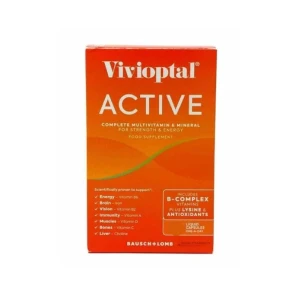
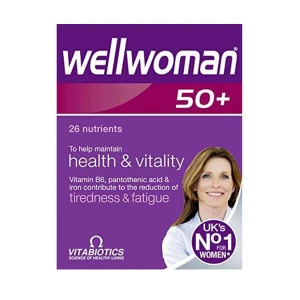
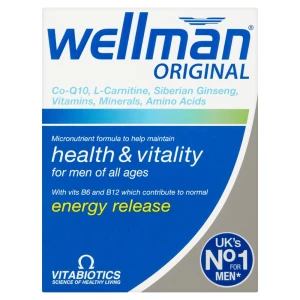
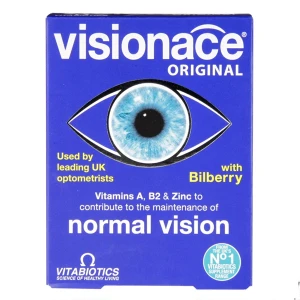


What are the benefits of taking Vitamin A supplements?
Vitamin A supplements help support vision, skin health, and immune function. They aid in maintaining the integrity of the eyes, reducing the risk of night blindness and dry eyes. Vitamin A also plays a role in promoting smooth, youthful skin by encouraging cell turnover and reducing dryness. Additionally, it strengthens the immune system by supporting the production of white blood cells, which fight infections. If your diet lacks sufficient Vitamin A, supplements can help bridge the gap and maintain overall health.
Who should take Vitamin A supplements?
People with Vitamin A deficiency, poor diets, or certain medical conditions may benefit from supplements. Those who struggle with dry skin, weak immunity, or vision problems could see improvements with added Vitamin A. Pregnant women, however, should be cautious, as excessive intake may be harmful. Always consult a healthcare professional before starting any supplement to determine the right dosage for your needs.
Can I get enough Vitamin A from my diet?
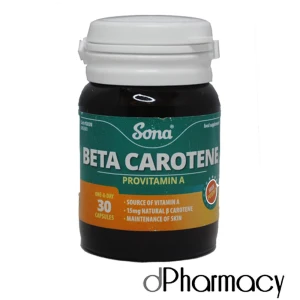
Yes, many foods are naturally rich in Vitamin A. Animal sources like liver, eggs, and dairy contain preformed Vitamin A (retinol), while plant-based foods such as carrots, sweet potatoes, and spinach provide beta-carotene, which the body converts into Vitamin A. If you eat a balanced diet with these foods, you may not need a supplement. However, those with dietary restrictions or absorption issues may require additional support.
Is it possible to take too much Vitamin A?
Yes, excessive Vitamin A intake can lead to toxicity, causing symptoms like dizziness, nausea, liver damage, and, in severe cases, bone fractures. Fat-soluble vitamins like Vitamin A are stored in the body, so high doses from supplements can accumulate over time. It’s important to follow recommended dosage guidelines and consult a healthcare professional if unsure about your intake.