
Period Pain & Pms
Period pain and PMS (premenstrual syndrome) affect many people before and during their menstrual cycle. Cramps, bloating, mood swings, and fatigue are common symptoms that can impact daily life. While some experience mild discomfort, others deal with severe pain that disrupts normal activities. Treatment options include pain relief medication, lifestyle changes, and hormonal therapy to help balance symptoms. Finding the right approach can reduce discomfort and improve well-being. Understanding the causes of period pain and PMS can help in choosing effective ways to manage them, leading to better overall health and menstrual comfort.
Subcategories

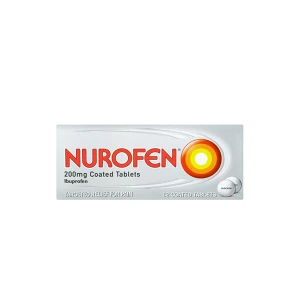
600-300x300.webp "Fushi Original Evening Primrose Oil (100 ml)")
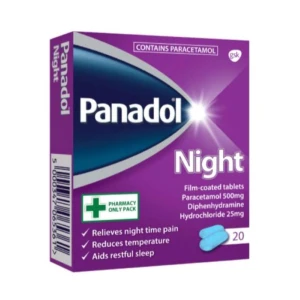
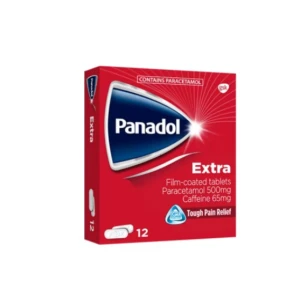
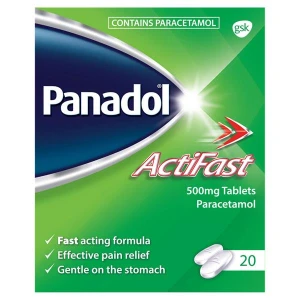
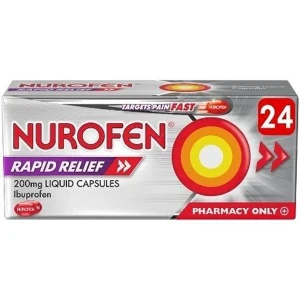
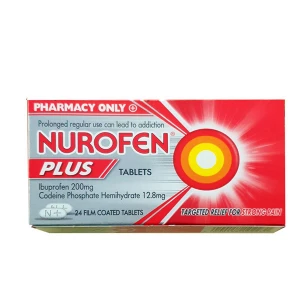
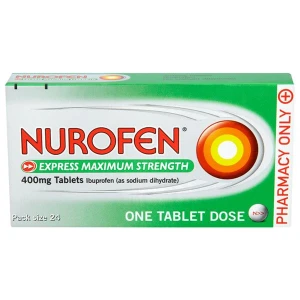
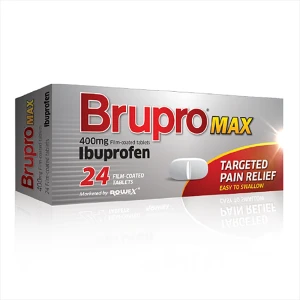
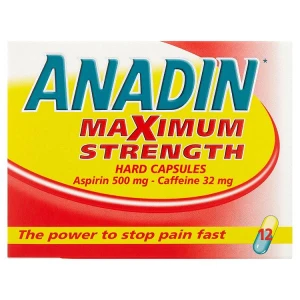
What causes period pain?
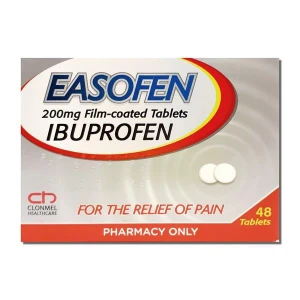
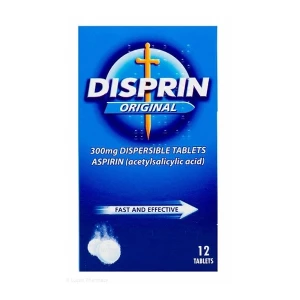
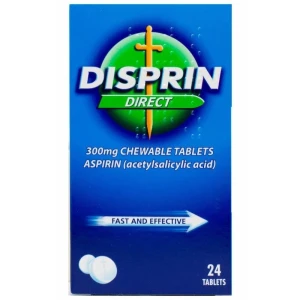
Period pain, also known as dysmenorrhoea, is caused by contractions in the uterus as it sheds its lining. These contractions are triggered by prostaglandins, hormone-like substances that can cause inflammation and pain. Higher levels of prostaglandins lead to stronger contractions and more severe cramps. Other factors, such as endometriosis, fibroids, or pelvic inflammatory disease, can worsen period pain. While mild cramps are normal, severe pain that disrupts daily life may need medical attention. Managing period pain with heat therapy, pain relief medication, and lifestyle changes can help reduce discomfort and improve quality of life.
What are common PMS symptoms?
PMS symptoms occur in the days leading up to a period and can include mood swings, bloating, headaches, fatigue, and cravings. Some people also experience anxiety, irritability, or tender breasts. Symptoms vary in intensity and duration. Hormonal fluctuations, particularly changes in oestrogen and progesterone, are believed to cause PMS. Managing PMS can involve dietary adjustments, regular exercise, stress reduction, and, in some cases, medication. If PMS symptoms significantly affect daily activities, speaking to a doctor can help find effective treatment options.
How can I relieve period pain naturally?
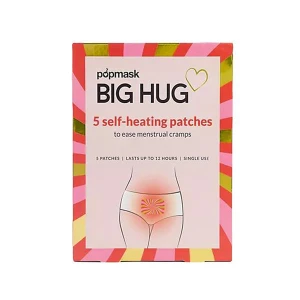
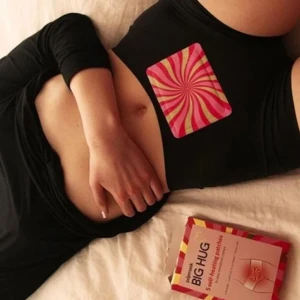
There are several natural ways to ease period pain. Applying heat to the lower abdomen, such as using a hot water bottle or heating pad, helps relax muscles and reduce cramps. Gentle exercise, like walking or yoga, can improve circulation and lower pain levels. Herbal teas with ingredients like ginger or chamomile may help reduce inflammation. Staying hydrated and avoiding caffeine or salty foods can also minimise bloating. Magnesium and vitamin B6 supplements may support muscle relaxation and mood balance. If pain persists, combining natural methods with medical treatments may be the best approach.