
Collagen
Find marine, bovine and vegan collagen alternatives for skin, hair, nails, joints and daily beauty routines. Choose powders, capsules, sachets, drinks, coffees and formulas with hyaluronic acid, vitamin C, biotin, silica and mushrooms.


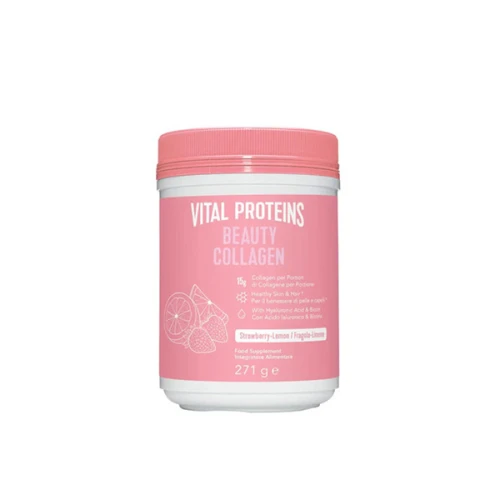
-500x500.webp "Vital Proteins Beauty Collagen (271g)")

-500x500.webp "Planet Paleo Active Collagen Orange (210g)")
)-500x500.webp "Plent Marine Collagen Tropical Pineapple Box (30sachets)")
)-500x500.webp "Plent Marine Collagen Tropical Pineapple Box (30sachets)")
-500x500.webp "Plent Beauty Blend Collagen Elderberry (265g)")









Subcategories

-300x300.webp "Zooki Super Strength Marine Collagen 11000mg Sour Cherry (30 Sachets)")
-300x300.webp "Zooki Super Strength Marine Collagen 11000mg Mango Peach (30 Sachets)")
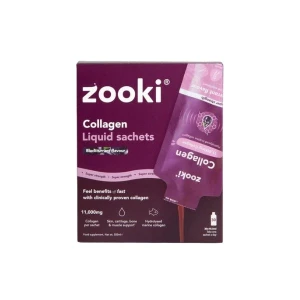

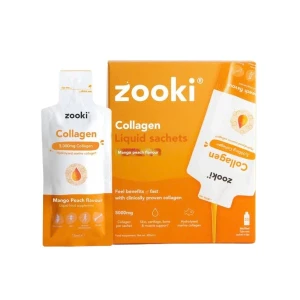
-300x300.webp "Zooki Marine Collagen 5000mg Mango Peach (30 Sachets)")
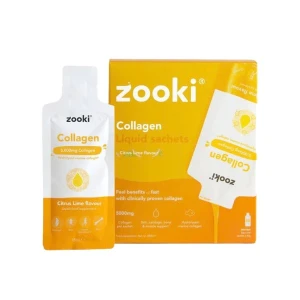
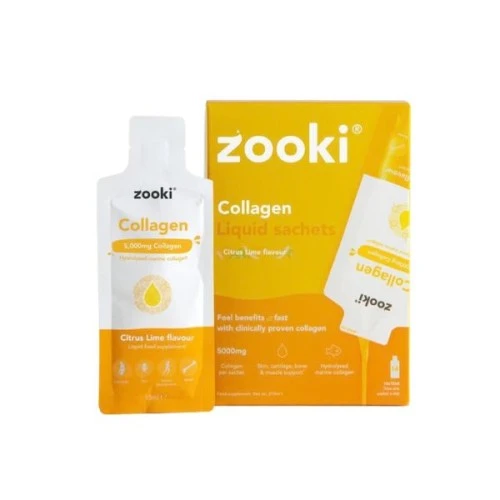
-300x300.webp "Zooki Marine Collagen 5000mg Citrus Lime (30 Sachets)")
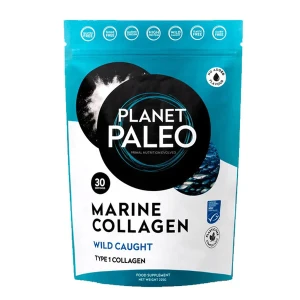
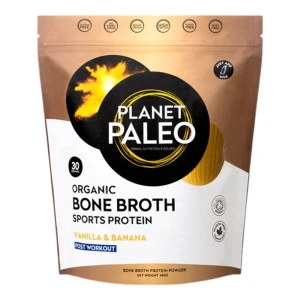
600-300x300.webp "Planet Paleo Original Bone Broth Sport Protein Chocolate (480g)")
-300x300.webp "Planet Paleo Original Bone Broth Sport Protein Chocolate (480g)")
600-300x300.webp "Planet Paleo Original Bone Broth Collagen Protein (450g)")
-300x300.webp "Planet Paleo Original Bone Broth Collagen Protein (450g)")
600-300x300.webp "Planet Paleo Original Bone Broth Collagen Herbal Defence (450g)")
-300x300.webp "Planet Paleo Original Bone Broth Collagen Herbal Defence (450g)")
600-300x300.webp "Planet Paleo Original Bone Broth Collagen Cooling Herbs (450g)")
-300x300.webp "Planet Paleo Original Bone Broth Collagen Cooling Herbs (450g)")
600-300x300.webp "Planet Paleo Original Bone Broth Collagen Ancient Mushroom (450g)")
-300x300.webp "Planet Paleo Original Bone Broth Collagen Ancient Mushroom (450g)")
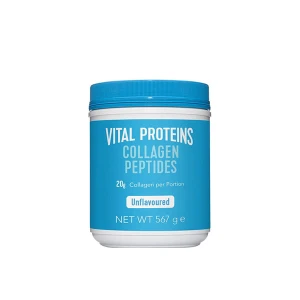
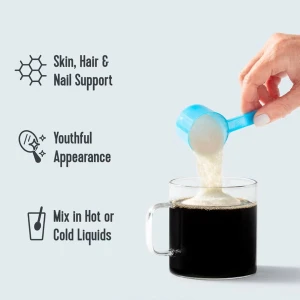
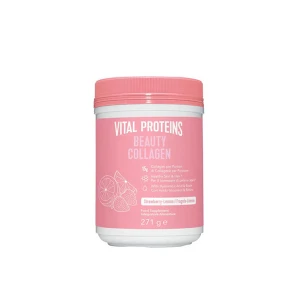
-300x300.webp "Vital Proteins Beauty Collagen (271g)")
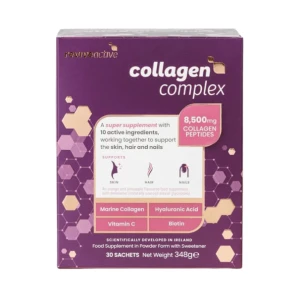
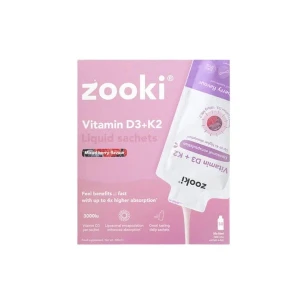
-300x300.webp "Zooki Liposomal Vitamin D3 + K2 3000iu Mixed Berry (30 Sachets)")
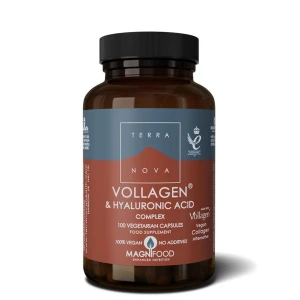
)-300x300.webp "Plent Beauty Blend Collagen Lime Kiwi 30 Sachets")
)-300x300.webp "Plent Beauty Blend Collagen Lime Kiwi 30 Sachets")
-300x300.webp "Plent Beauty Blend Collagen Lime Kiwi (277g)")
-300x300.webp "Plent Beauty Blend Collagen Lime Kiwi (277g)")
)-300x300.webp "Plent Beauty Blend Collagen Grapefruit 30 Sachet")
)-300x300.webp "Plent Beauty Blend Collagen Grapefruit 30 Sachet")
-300x300.webp "Plent Beauty Blend Collagen Grapefruit (265g)")
-300x300.webp "Plent Beauty Blend Collagen Grapefruit (265g)")
)-300x300.webp "Plent Beauty Blend Collagen Elderberry 30 Sachet")
)-300x300.webp "Plent Beauty Blend Collagen Elderberry 30 Sachet")
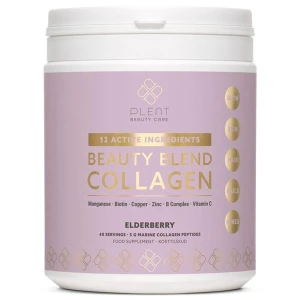
-300x300.webp "Plent Beauty Blend Collagen Elderberry (265g)")
-300x300.webp "Planet Paleo Osteo Collagen Lemon (175g)")
-300x300.webp "Planet Paleo Osteo Collagen Lemon (175g)")
%20(450g)600-300x300.webp "Planet Paleo AO Pure Collagen (450g)")
%20(450g)-300x300.webp "Planet Paleo AO Pure Collagen (450g)")
600-300x300.webp "Planet Paleo Beauty Collagen (231g)")
-300x300.webp "Planet Paleo Beauty Collagen (231g)")
600-300x300.webp "Vital Proteins Marine Collagen (221g)")
-300x300.webp "Vital Proteins Marine Collagen (221g)")
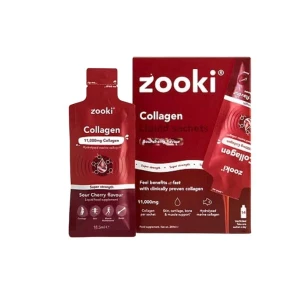
-300x300.webp "Zooki Super Strength Marine Collagen 11000mg Sour Cherry (14 Sachets)")
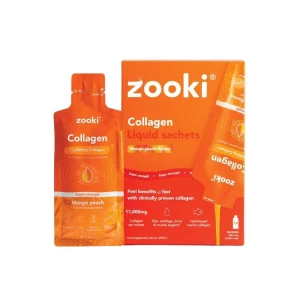
-300x300.webp "Zooki Super Strength Marine Collagen 11000mg Mango Peach (14 Sachets)")
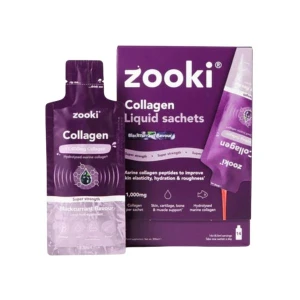
-300x300.webp "Zooki Super Strength Marine Collagen 11000mg Blackcurrant (14 Sachets)")
What are the benefits of collagen for skin and joints?
Collagen helps keep skin firm, smooth, and hydrated while reducing the appearance of fine lines. It also supports hair and nail growth, preventing brittleness. For joints, collagen maintains cartilage health, reducing stiffness and discomfort. Studies show it may also help with muscle recovery and gut health. Hydrolysed collagen is especially effective as it absorbs easily. Taking it consistently can improve skin texture, boost flexibility, and support overall health. Many users report noticeable benefits within a few weeks of daily use, making collagen a key supplement for maintaining a youthful appearance and strong joints.
How long does it take for collagen supplements to work?
Most people start to see improvements in their skin’s hydration and elasticity within four to six weeks of taking collagen. Hair and nails may take a bit longer, often showing stronger growth after two to three months. For joint support, results vary, but many experience reduced stiffness and better mobility within three months. The key is consistency—taking collagen daily delivers the best results. To enhance its absorption, pair it with vitamin C. Long-term use ensures ongoing benefits, as natural collagen production continues to decline with age.
Which type of collagen is best for skin and joint health?
Different types of collagen serve different purposes. Type I and III collagen are best for skin, hair, and nails, as they help maintain elasticity and hydration. Marine collagen, mainly type I, is highly effective for skin benefits. Bovine collagen contains both type I and III, making it a great all-rounder. For joint health, type II collagen from chicken cartilage is most beneficial, as it supports cartilage and reduces stiffness. Hydrolysed collagen is the best choice for absorption, ensuring your body gets the most out of the supplement.
Are there any side effects of taking collagen?
Collagen is generally well tolerated, but some people may experience mild digestive discomfort, bloating, or an upset stomach. Allergic reactions are rare but possible, particularly with marine collagen derived from fish. Always check ingredient labels if you have dietary restrictions. Some collagen supplements include added flavours or sweeteners, which may not suit everyone. To minimise side effects, start with a lower dose and increase gradually. If you have existing medical conditions, consult a healthcare professional before starting any supplement to ensure it's safe for you.
Is it better to take collagen in the morning or at night?
There’s no strict rule on when to take collagen—it depends on personal preference. Some people take it in the morning to start their day with a boost, while others prefer it at night to support overnight skin repair. Collagen can be taken with or without food, but pairing it with vitamin C helps with absorption. It can be mixed into coffee, smoothies, or water, making it easy to incorporate into any routine. The most important factor is consistency, as daily use provides the best results over time.