
Antiseptics
Antiseptics are essential for keeping wounds clean and preventing infection. At dpharmacy.ie, we stock a wide range of reliable antiseptic products including sprays, creams, wipes, and liquids. These are ideal for use on minor cuts, grazes, insect bites, and broken skin. Antiseptics work by killing harmful bacteria, helping wounds stay clean and heal faster.
Subcategories

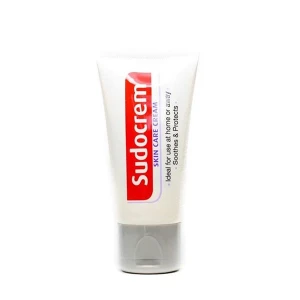
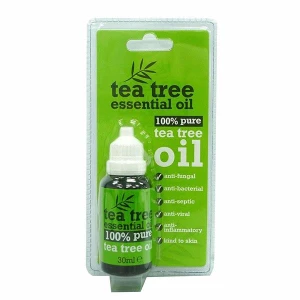
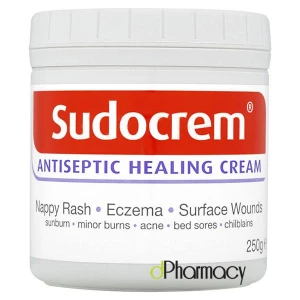
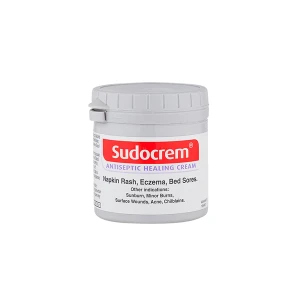
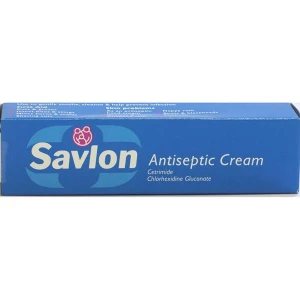
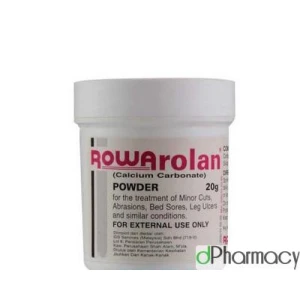
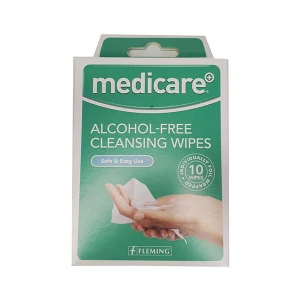
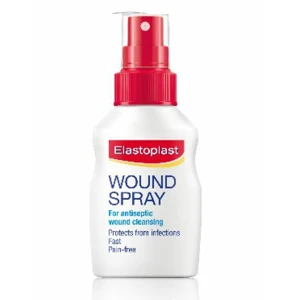
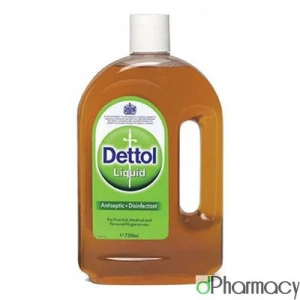
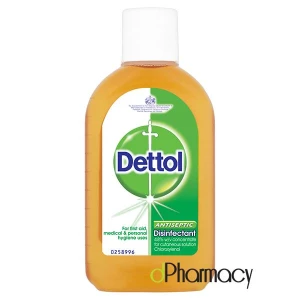
-300x300.webp "Absolute Aromas Tea Tree Oil (10 ml)")

What are antiseptics and how do they work?
Antiseptics are chemical agents used on the skin to kill or stop the growth of germs, including bacteria, viruses, and fungi. They are commonly applied to cuts, grazes, burns, or insect bites to prevent infection and support natural healing. Some common active ingredients include chlorhexidine, hydrogen peroxide, and iodine. Antiseptics work by breaking down the cell walls of microbes or disrupting their metabolism, stopping them from spreading.
Can antiseptics be used on all types of wounds?
Most minor wounds like cuts, grazes, and blisters can be safely cleaned with antiseptics. These products help to reduce the risk of infection and speed up the healing process. However, deep wounds, punctures, or wounds with heavy bleeding may require medical attention. In some cases, antiseptics may irritate very sensitive skin or slow healing if overused.
How often should I use antiseptics on a wound?
You should apply antiseptics once or twice a day, depending on the product instructions and how the wound looks. After cleaning the wound, use the antiseptic to help reduce germs and protect the area. Avoid overuse, as applying antiseptic too frequently can irritate the skin or delay healing in some cases. If the wound is covered with a plaster or dressing, it’s usually best to reapply the antiseptic when changing the dressing.
What’s the difference between antiseptics and disinfectants?
Antiseptics and disinfectants both kill germs, but they are used in different ways. Antiseptics are safe to use on the skin, while disinfectants are meant for cleaning surfaces like floors, countertops, and toilets. The strength of the chemical is usually higher in disinfectants, making them unsuitable for direct contact with the body.