
Warts & Verruca
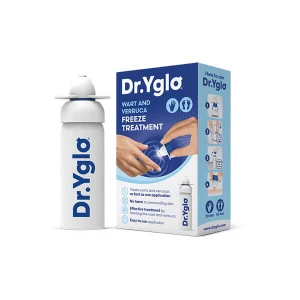
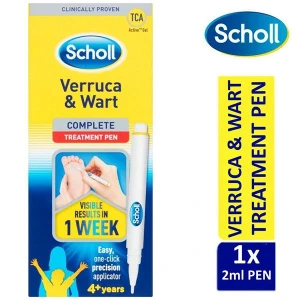
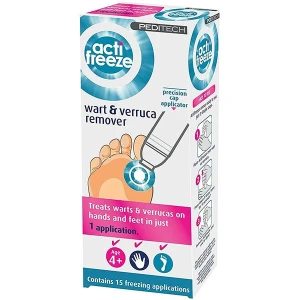
Warts & verrucas are common skin growths caused by a virus in the skin. They can appear anywhere on the body but are often found on hands and feet. While they’re not harmful, they can be uncomfortable, annoying, or embarrassing. Our range of treatments helps soften, dry out or freeze the wart so it can fall off over time.
Subcategories

What is the difference between a wart and a verruca?
Warts and verruca are both caused by the human papillomavirus (HPV), but the key difference lies in where they appear. Warts tend to show up on the hands, fingers or knees. They are raised and rough to touch. Verruca, on the other hand, are usually found on the soles of the feet. Because of the pressure from walking, they are often flat and can develop a black dot in the centre.
How long do warts and verruca take to go away?
Without treatment, warts and verruca can take several months, sometimes even years to go away. Everyone's immune system reacts differently. Some people’s skin clears up on its own, while others find the growths keep coming back. Using a treatment can help speed up the healing process. Salicylic acid or freezing sprays often reduce the size in weeks. Persistence is key. Keep using your treatment as directed, and try to avoid picking at them, as this can make things worse or cause the virus to spread.
Are warts and verruca contagious?
Yes, both are contagious. They spread through skin contact or from surfaces like shower floors, swimming pools or shared shoes. The virus enters through tiny breaks or cuts in the skin. It’s easy to pass it on without knowing, especially if your feet are wet or soft from being in water. To stop spreading it, cover the wart or verruca, avoid sharing towels or footwear, and wear flip-flops in communal areas. Clean your hands well if you’ve touched the area.