
Vaginal Dryness
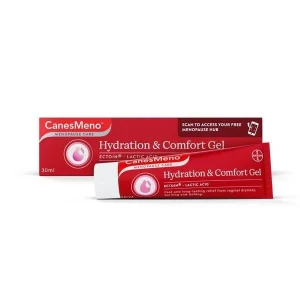
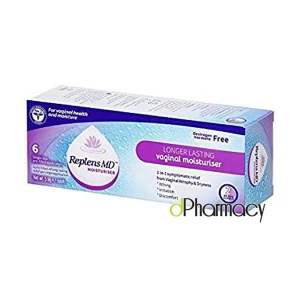
Vaginal dryness is a common issue that can cause discomfort, itching, and irritation. It happens when the natural moisture in the vaginal tissue decreases, often due to hormonal changes, menopause, or certain medications. This can lead to painful intercourse, increased sensitivity, and a feeling of tightness. Hydrating products like vaginal moisturisers and lubricants can help relieve symptoms and restore comfort. If dryness is persistent, hormone-based treatments such as oestrogen creams may be recommended. Staying hydrated, avoiding harsh soaps, and choosing gentle, fragrance-free products can also help maintain natural moisture levels.
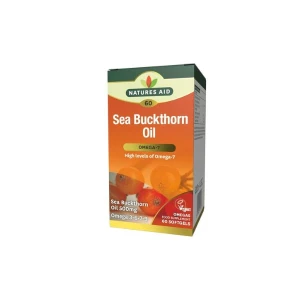
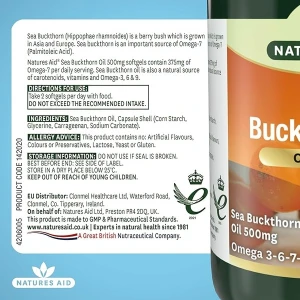
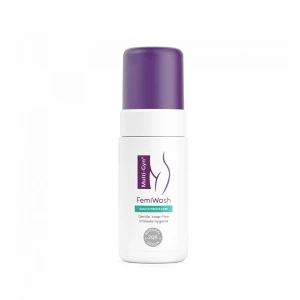
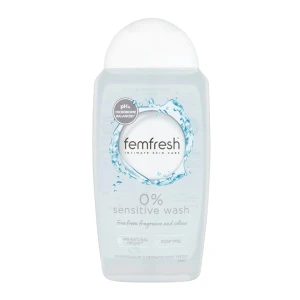
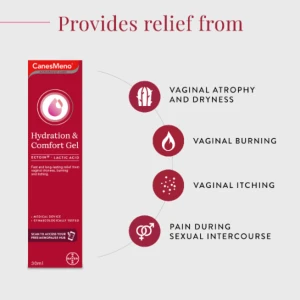



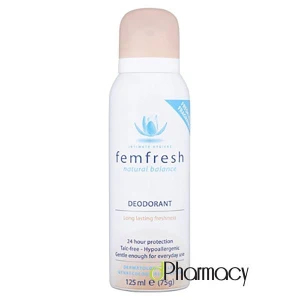
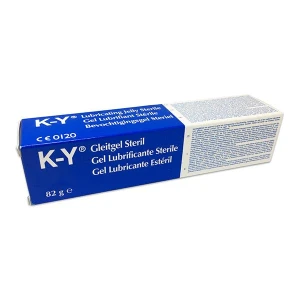
What are the symptoms of vaginal dryness?
Vaginal dryness can cause itching, burning, and discomfort. Many women experience a tight or dry feeling, especially during intercourse. Some may also notice irritation, redness, or slight tearing of the vaginal tissue. In more severe cases, dryness can lead to frequent urinary tract infections (UTIs) or an increased sensitivity to everyday activities like exercise. If symptoms persist or affect daily life, seeking medical advice is recommended.
What causes vaginal dryness?
The most common cause of vaginal dryness is a drop in oestrogen levels, which happens during menopause, after childbirth, or while breastfeeding. Certain medications, including birth control pills and antidepressants, can also contribute. Other factors include stress, smoking, cancer treatments, and excessive washing with harsh soaps. Some women may also experience dryness due to underlying conditions like Sjögren’s syndrome, which affects the body’s ability to produce moisture.
How can I treat vaginal dryness at home?
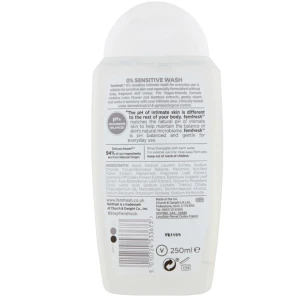
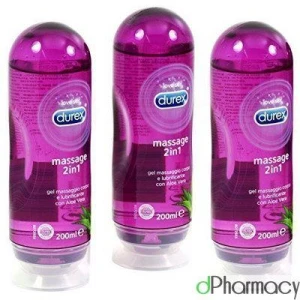
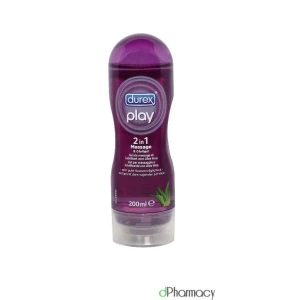
Using vaginal moisturisers and water-based lubricants can provide immediate relief. Avoiding scented soaps, bubble baths, and douching can help prevent irritation. Staying hydrated and eating foods rich in omega-3 fatty acids may also support vaginal health. Wearing breathable cotton underwear and avoiding tight clothing can reduce discomfort. For long-term relief, some women use vaginal oestrogen creams or suppositories, but these should be discussed with a doctor.
When should I see a doctor for vaginal dryness?
If vaginal dryness is persistent, painful, or affects daily activities, a doctor can help find the best treatment. Women experiencing bleeding, recurrent infections, or discomfort that does not improve with over-the-counter products should seek medical advice. If menopause-related dryness is severe, hormone therapy may be an option. A doctor can also check for underlying health conditions that may be causing symptoms.