
Vitamin C








-300x300.webp "Pharmanord Bioactive D Pearls 20ug 120 pack")
-300x300.webp "Pharmanord Bioactive Dpearls 75ug 80 Caps")
-300x300.webp "Pharmanord Bioactive Dpearls 75ug 80 Caps")
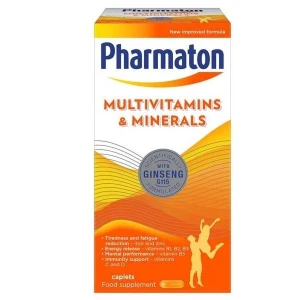















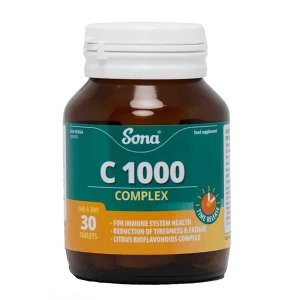


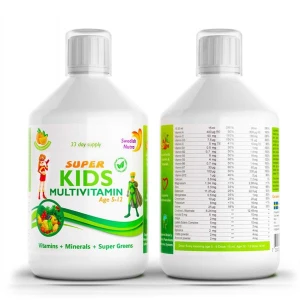
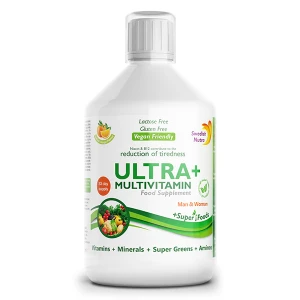
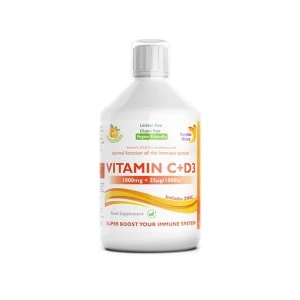

Vitamin C is a vital nutrient that supports immunity, skin health, and overall well-being. It helps protect cells from damage, aids collagen production, and keeps skin firm and healthy. This antioxidant also supports wound healing and enhances iron absorption, making it crucial for energy levels. Since the body cannot produce or store vitamin C, regular intake from food or supplements is essential. Found in citrus fruits, berries, and vegetables, it is key to daily health. Whether for immune support or skincare benefits, vitamin C is an important addition to any routine
What is Vitamin C used for?
Vitamin C is an essential nutrient with several key roles in the body. It strengthens the immune system, helping to fight off colds and infections. It also supports skin health by aiding collagen production, which keeps skin firm and youthful. As a powerful antioxidant, vitamin C protects cells from damage caused by free radicals, which can contribute to ageing and chronic diseases. It also helps with wound healing and improves iron absorption, reducing the risk of anaemia. Since the body does not store vitamin C, regular intake through diet or supplements is necessary for maintaining good health.
Can Vitamin C help with colds?
Vitamin C is widely linked to immune support and may help reduce the duration and severity of colds. While it does not prevent colds, studies suggest that taking vitamin C regularly can strengthen the immune system and support recovery. It works by helping white blood cells function more effectively, allowing the body to fight infections. For best results, vitamin C should be taken daily rather than only when symptoms appear. A diet rich in fruits and vegetables or a daily supplement can help maintain healthy levels and support the body’s natural defences.
How much Vitamin C should I take daily?
The recommended daily intake of vitamin C varies by age and individual needs. For most adults, 75–90 mg per day is sufficient. However, higher doses, up to 1,000 mg per day, are commonly taken for extra immune and skin support. Since vitamin C is water-soluble, excess amounts are usually excreted through urine, making it generally safe at high doses. However, more than 2,000 mg per day may cause digestive discomfort, such as diarrhoea or stomach cramps. Always follow recommended dosages and consult a healthcare professional if unsure.
What foods are high in Vitamin C?
Vitamin C is naturally found in many fruits and vegetables. Citrus fruits like oranges, lemons, and grapefruits are well-known sources. Other rich foods include strawberries, kiwis, pineapples, and papayas. Vegetables such as bell peppers, broccoli, spinach, and tomatoes also provide excellent amounts. Eating a variety of these foods daily ensures sufficient vitamin C intake. Since cooking can reduce vitamin C levels, consuming some raw fruits and vegetables is beneficial. If dietary intake is low, supplements can help maintain optimal levels.
Can you take too much Vitamin C?
Vitamin C is generally safe, even at high doses, since excess amounts are excreted in urine. However, taking more than 2,000 mg per day can lead to side effects such as stomach cramps, nausea, or diarrhoea. Very high doses over time may also increase the risk of kidney stones in some individuals. Most people get enough from food or moderate supplementation. If you have a sensitive stomach or kidney issues, it is best to stick to recommended doses and speak with a healthcare provider before taking high amounts.
Does Vitamin C improve skin health?
Yes, vitamin C plays a key role in maintaining healthy skin. It supports collagen production, which helps keep skin firm and elastic. As an antioxidant, it protects the skin from damage caused by UV rays and pollution. Vitamin C can also help reduce dark spots and even out skin tone by inhibiting excess melanin production. Many skincare products contain vitamin C for its brightening and anti-ageing effects. When taken as a supplement or included in a balanced diet, it contributes to overall skin radiance and health.