
B1 (Thiamine)
Vitamin B1 (Thiamine) is essential for energy production, brain function, and a healthy nervous system. It helps the body break down carbohydrates and supports muscle function. Since the body does not store B1, regular intake through diet or supplements is important. Foods like whole grains, meat, and nuts provide Thiamine, but some people may need extra support. If you experience fatigue, nerve issues, or difficulty concentrating, a Vitamin B1 supplement may help. Explore our selection of high-quality B1 supplements to support your energy levels and overall health.


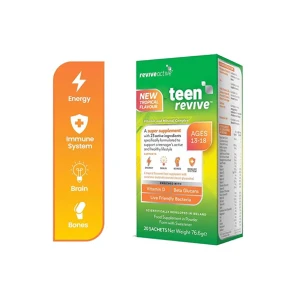
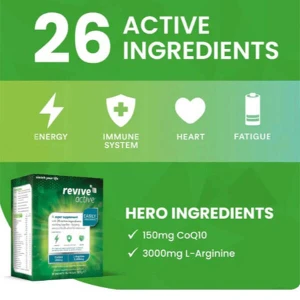
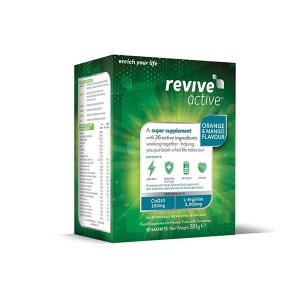
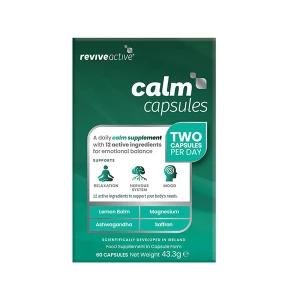

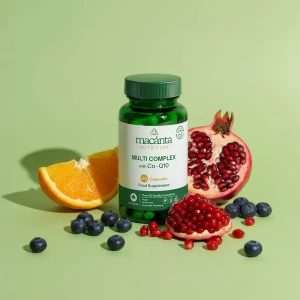
600-300x300.webp "Macanta Multi-complex With Co-q10 (60caps)")
-dpharmacy-300x300.webp "FabÜ Shrooms Cholesterol & Heart (90tabs)")
-dpharmacy-300x300.webp "FabÜ Shrooms Cholesterol & Heart (90tabs)")
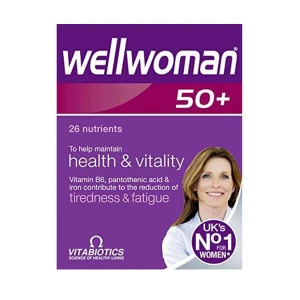
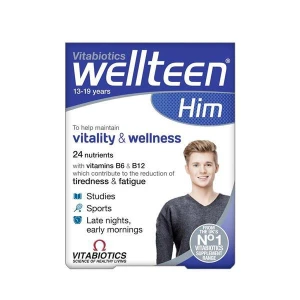
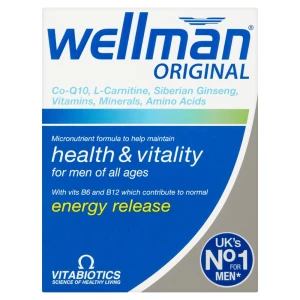

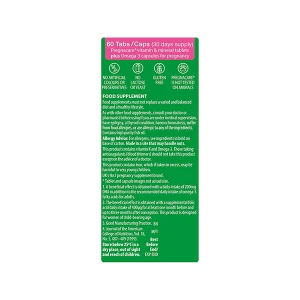



What are the benefits of taking Vitamin B1 (Thiamine)?
Vitamin B1 helps convert food into energy, reducing tiredness and supporting metabolism. It is essential for nerve function and brain health, improving concentration and reducing brain fog. Thiamine also supports muscle function, helping to prevent weakness and cramping. A lack of B1 can lead to fatigue, mood changes, and nerve problems. People who consume a lot of refined carbohydrates, alcohol, or have certain medical conditions may need extra B1. Taking a supplement ensures a steady intake, helping to maintain energy levels, mental clarity, and a well-functioning nervous system.
Who should take Vitamin B1 (Thiamine) supplements?
People at risk of B1 deficiency include those with high carbohydrate diets, excessive alcohol intake, or certain medical conditions affecting absorption. Older adults, pregnant women, and individuals with digestive disorders may also need additional Thiamine. Athletes and active individuals use more B1 for energy production and may benefit from supplementation. If you experience tiredness, memory problems, or nerve pain, a Thiamine supplement could help. Since the body does not store B1, daily intake is important to maintain optimal health. Consulting a healthcare professional can help determine if supplementation is necessary.
Can I get enough Vitamin B1 from food?
Yes, Vitamin B1 is found in whole grains, meat, fish, dairy, nuts, and legumes. However, cooking methods and processed foods can reduce Thiamine content. People with restricted diets, poor absorption, or high energy needs may struggle to get enough from food alone. Alcohol consumption can also interfere with B1 absorption. If you do not consume enough Thiamine-rich foods or experience symptoms of deficiency, a supplement may be a practical way to ensure your body gets the B1 it needs.
What happens if I don’t get enough Vitamin B1?
A B1 deficiency can cause fatigue, muscle weakness, and mental fog. Severe deficiency may lead to nerve damage, poor coordination, and a condition called beriberi, which affects the heart and nervous system. Long-term deficiency is linked to Wernicke-Korsakoff syndrome, a brain disorder commonly associated with alcohol misuse. Symptoms can include confusion, difficulty walking, and memory loss. Ensuring a consistent intake of Thiamine through diet or supplements helps maintain energy levels, brain function, and a healthy nervous system.
Can I take too much Vitamin B1?
Vitamin B1 is a water-soluble vitamin, meaning excess amounts are usually excreted through urine. This makes toxicity rare. However, very high doses may cause mild side effects, such as stomach discomfort. Most people can safely take Thiamine supplements within recommended guidelines. If you are unsure about the right dosage, it is best to seek advice from a healthcare professional to ensure you are getting the right amount for your needs.