
B2 (Riboflavin)
Vitamin B2 (Riboflavin) is an essential nutrient that helps the body convert food into energy, keeping you feeling active and alert. It plays a key role in maintaining healthy skin, eyes, and nervous system function. Since the body doesn’t store riboflavin, it must be replenished daily through food or supplements. Deficiency can cause fatigue, dry skin, and eye discomfort. If you struggle to get enough from your diet, a supplement may help maintain energy levels and overall health. Riboflavin is especially important for those with restricted diets or increased energy needs.




-300x300.webp "Natures Aid Collagen Beauty Formula Vit C Zinc N B Vitamins 90caps")
600-300x300.webp "Macanta Multi-complex With Co-q10 (60caps)")
-dpharmacy-300x300.webp "FabÜ Shrooms Cholesterol & Heart (90tabs)")
-dpharmacy-300x300.webp "FabÜ Shrooms Cholesterol & Heart (90tabs)")
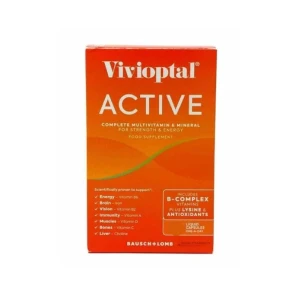
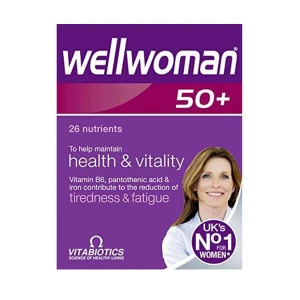

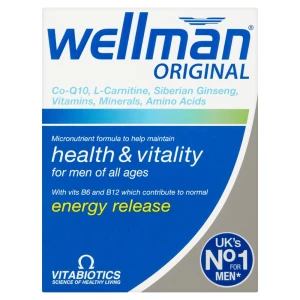
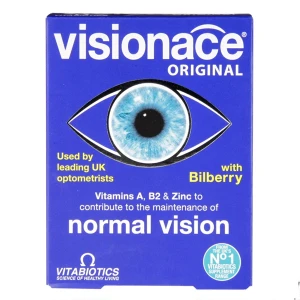



What is Vitamin B2 (Riboflavin) used for?
Vitamin B2 helps the body break down carbohydrates, proteins, and fats for energy. It supports skin health, maintains normal vision, and helps with red blood cell production. Riboflavin also plays a role in reducing oxidative stress and supporting the nervous system. Deficiency can lead to cracked lips, sore throat, and eye strain. Supplements are useful for those with low dietary intake or increased energy demands.
Who needs a Vitamin B2 supplement?
People who may benefit from a Vitamin B2 supplement include those with poor diets, vegans, athletes, and individuals with conditions that affect absorption, such as digestive disorders. Pregnant and breastfeeding women may also require more riboflavin. If you experience fatigue, skin problems, or frequent headaches, you might not be getting enough. A supplement can help maintain balanced levels.
What are the symptoms of Vitamin B2 deficiency?
A deficiency in riboflavin can cause symptoms such as fatigue, dry or cracked lips, sore throat, mouth ulcers, and itchy eyes. In more severe cases, it can lead to sensitivity to light, anaemia, and skin irritation. Since riboflavin is water-soluble, the body doesn’t store it, so regular intake is needed. If left untreated, deficiency can impact overall health.
How much Vitamin B2 do I need daily?
The recommended daily intake varies, but adults generally need around 1.1 to 1.3 milligrams per day. Pregnant and breastfeeding women may need slightly more. People with high energy demands, such as athletes, may also require additional riboflavin. Since the body doesn’t store B2, a regular dietary source or supplement ensures you meet daily needs.
Can you take too much Vitamin B2?
Vitamin B2 is water-soluble, so excess amounts are usually excreted in urine rather than stored. This makes it very safe, even at higher doses. Some people may notice bright yellow urine, which is harmless and simply means your body is excreting what it doesn’t need. There are no known toxic effects from taking too much riboflavin, but it’s best to stick to recommended doses.
Does Vitamin B2 help with migraines?
Riboflavin has been studied for its potential to reduce migraine frequency and severity. Some research suggests that high-dose riboflavin supplementation (often 400mg per day) may help people who suffer from frequent migraines. It works by supporting energy production in brain cells and reducing oxidative stress. If you experience migraines, speak with a healthcare professional about whether B2 supplementation might help.
Which foods are high in Vitamin B2?
Good sources of riboflavin include dairy products, eggs, lean meats, green vegetables, and fortified cereals. Almonds and mushrooms also contain small amounts. Since riboflavin is sensitive to light, storing foods properly can help preserve their nutrient content. If your diet lacks these foods, a supplement may help ensure you get enough.