
Headaches

-300x300.webp "Absolute Aromas Headaid Oil (10 ml)")
%20(10%20ml)-300x300.webp "Absolute Aromas Headaid Aroma-Roll 10ml")
-300x300.webp "Atlantic Aromatics Original Niaouli Oil - Madagascar (10 ml)")
-300x300.webp "Atlantic Aromatics Original Niaouli Oil - Madagascar (10 ml)")
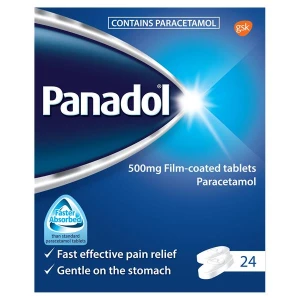
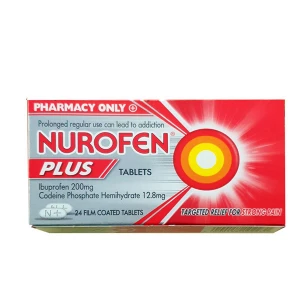
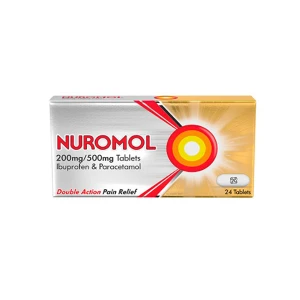
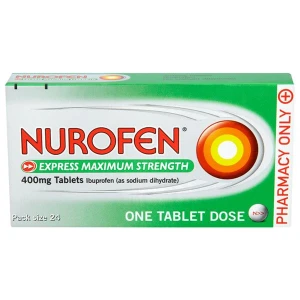
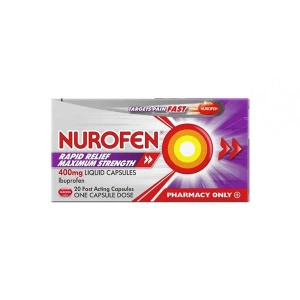
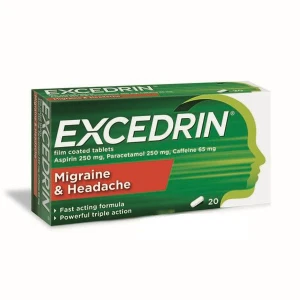
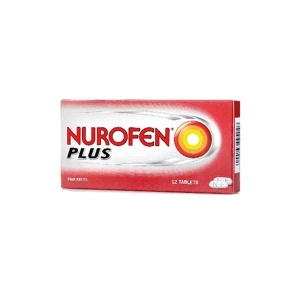
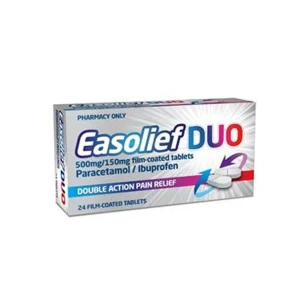
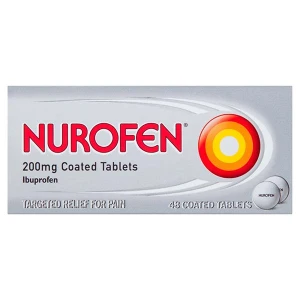
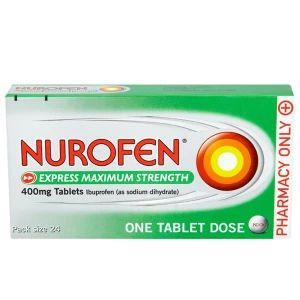
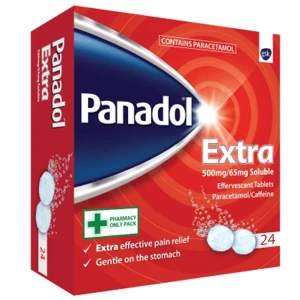
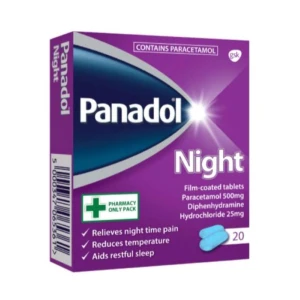
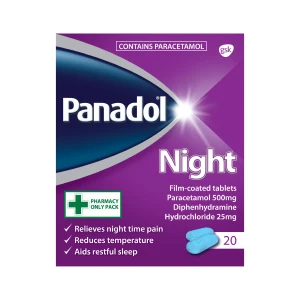
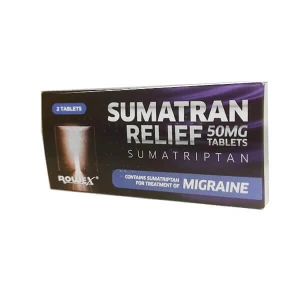
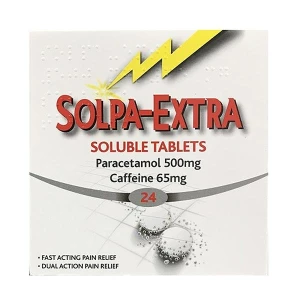
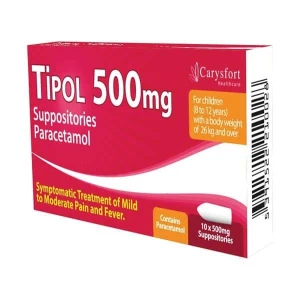
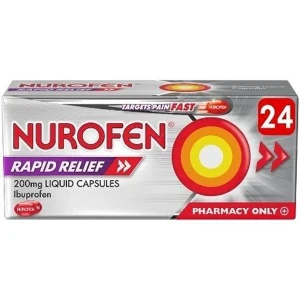
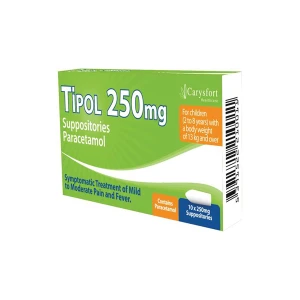
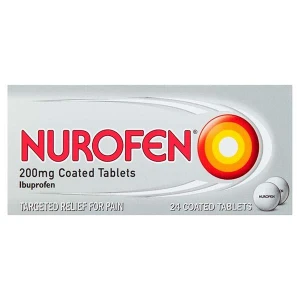
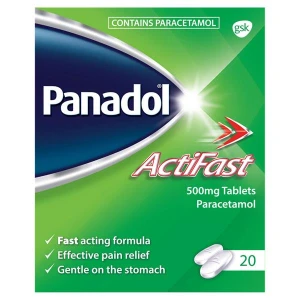
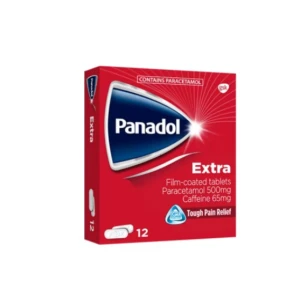
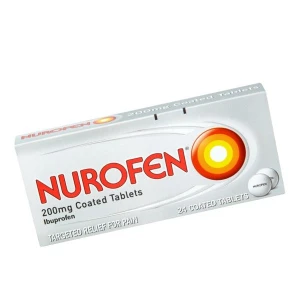
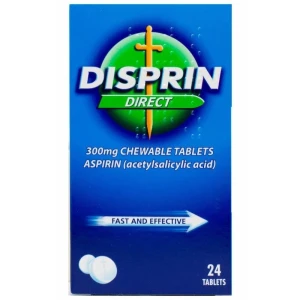
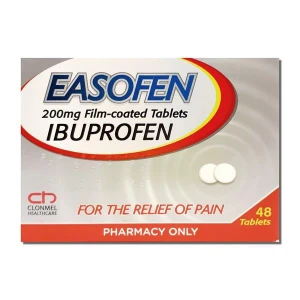
Dealing with migraine and cluster headaches can be challenging, but the right pain relief can help manage symptoms effectively. Whether you experience occasional migraines or frequent cluster headaches, fast-acting treatments can provide much-needed relief. We offer a range of specialised migraine and cluster headache products, including fast-acting painkillers, anti-inflammatories - and even defence against hangovers. Designed to reduce pain intensity and shorten headache duration, these treatments help you regain control and feel better sooner. Explore trusted options to find the right solution for your needs.
Headaches FAQs
What is the difference between migraines and cluster headaches?
Migraines and cluster headaches are both intense headache types but have key differences. Migraines typically cause throbbing pain on one side of the head, often accompanied by nausea, sensitivity to light, and visual disturbances. Cluster headaches, on the other hand, are shorter but extremely painful, usually affecting one eye or temple. They occur in cycles or ‘clusters,’ sometimes multiple times a day. Understanding these differences helps in choosing the right treatment.
What are the best treatments for migraine relief?
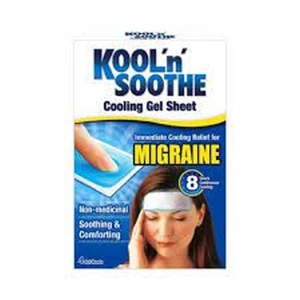
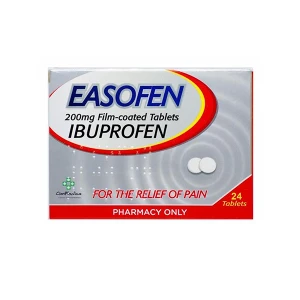
Migraine relief often involves a combination of migraine and cluster headache treatments. Painkillers like ibuprofen or paracetamol can help if taken early, while triptan medications are more effective for severe cases. Cooling patches, magnesium supplements, and caffeine-based treatments may also provide relief. Preventative treatments and lifestyle changes can help reduce migraine frequency.
How can I relieve a cluster headache quickly?
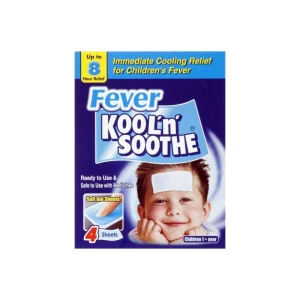
Cluster headaches require fast-acting relief. Oxygen therapy is a common medical treatment, but painkillers and triptans can also help manage symptoms. Cooling patches, dark rooms, and relaxation techniques may ease discomfort. Since cluster headaches are severe, speaking to a doctor about long-term management is recommended.
Are there non-medicated options for migraine relief?
Yes, several non-medicated migraine and cluster headache treatments can help. Cold packs on the forehead, staying hydrated, and resting in a dark, quiet room can reduce symptoms. Magnesium supplements, essential oils like peppermint or lavender, and acupuncture have also been reported to help some people manage migraines naturally.
When should I see a doctor about migraines or cluster headaches?
If you experience frequent or severe migraine and cluster headaches that disrupt daily life, consult a doctor. Sudden, extreme headaches, vision changes, or neurological symptoms may indicate a more serious issue. A medical professional can help determine the cause and recommend the best treatment plan for long-term relief.