
Blisters
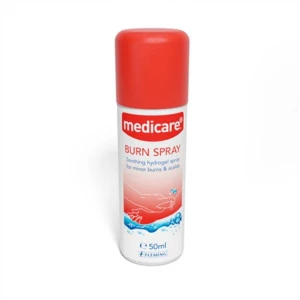
Blisters are small pockets of fluid that form on the skin due to friction, burns, or irritation. They’re painful, inconvenient, and can become infected if not cared for properly. Whether they’ve appeared after wearing new shoes or from physical activity, treating them quickly is the best way to avoid discomfort and promote healing. Our blister treatments are picked by pharmacists to soothe sore skin, reduce pain, and protect the area while it heals. Discover more skin damage treatments in our First Aid category.

What is the best treatment for blisters?
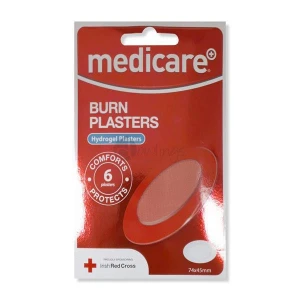
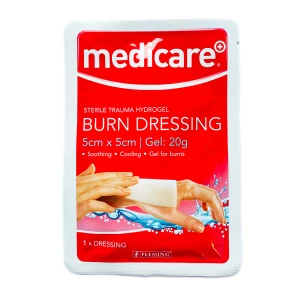
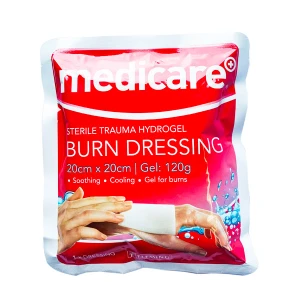
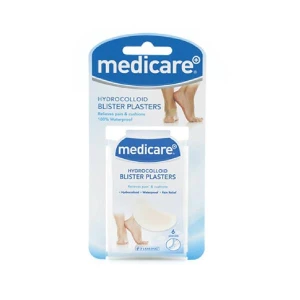
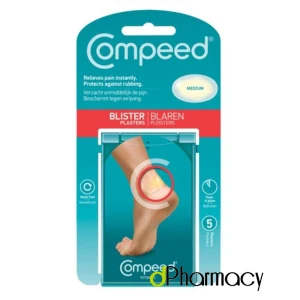
The best treatment for blisters depends on the cause and location. For friction blisters, hydrocolloid dressings are ideal. They cushion the area, reduce pain, and create a moist environment that supports faster healing. If the blister has burst, clean it with mild antiseptic and cover it with a sterile plaster to avoid infection. Never deliberately pop a blister unless advised by a healthcare professional.
Should you pop a blister or leave it alone?
It’s best to leave a blister alone if it’s intact and not causing too much pain. The fluid inside helps protect the skin underneath and allows it to heal. Popping a blister can increase the risk of infection, especially if it’s not done under sterile conditions. Always wash your hands before and after handling a blister to keep it clean.
Can I still walk or run with a blister?
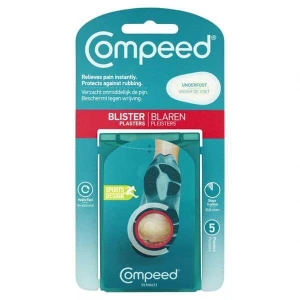
Yes, but it depends on the size and location of the blister. If it’s small and not too painful, you can continue walking or running as long as the area is protected. Blister plasters can cushion the skin and reduce friction, making movement more comfortable. If the blister is large, open, or in a high-pressure spot like the heel or sole, rest is better. Continued activity could make it worse, delay healing, or lead to infection.