
Insect Bites
Insect bites can cause itching, redness, and swelling. Some bites may feel mild, while others can be painful or lead to allergic reactions. Common culprits include mosquitoes, midges, fleas, and ticks. Most bites clear up within a few days, but proper care helps reduce irritation and prevent infection. Cooling gels, antihistamines, and bite relief creams can ease discomfort. If a bite becomes swollen, painful, or shows signs of infection, medical advice may be needed. Knowing how to protect your skin and treat bites quickly can make all the difference in avoiding prolonged discomfort.
Subcategories

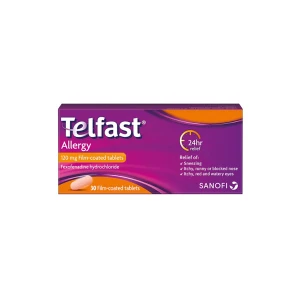
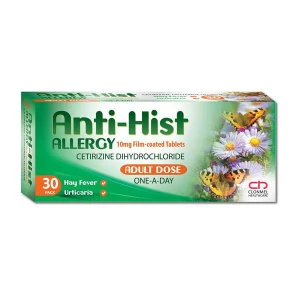
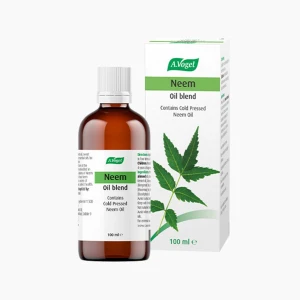
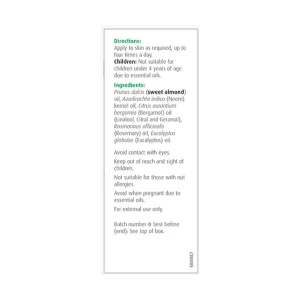
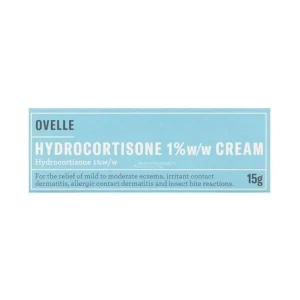
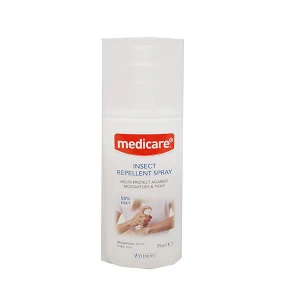
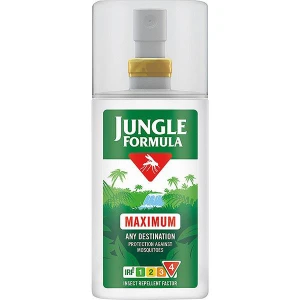
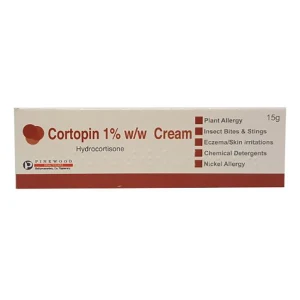
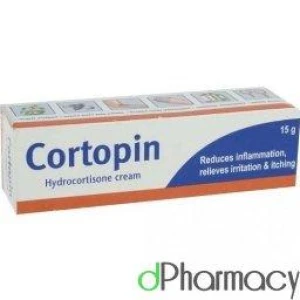
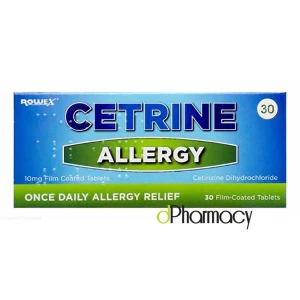
-300x300.webp "Absolute Aromas Lemon (10 ml)")
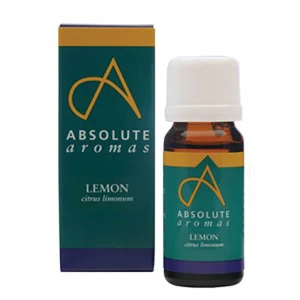
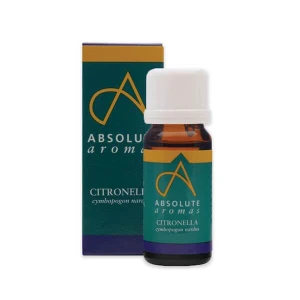
-300x300.webp "Absolute Aromas Citronella (10 ml)")
Why do insect bites itch?
Insect bites itch because the body reacts to substances left behind by the insect. When a mosquito or midge bites, it injects saliva that contains proteins to stop blood from clotting. This triggers the immune system, releasing histamine, which causes redness, swelling, and itching. Some people react more than others, experiencing larger welts or longer-lasting irritation. Cooling the area, applying anti-itch creams, and taking antihistamines can help reduce discomfort.
How can I treat an insect bite at home?
Wash the bite with soap and water to remove any bacteria. Apply a cold compress to reduce swelling. An anti-itch cream, such as hydrocortisone or calamine lotion, can ease irritation. If the bite is painful or swollen, an oral antihistamine or pain reliever may help. Try not to scratch, as this can break the skin and lead to infection. If a bite doesn’t improve after a few days or worsens, consult a pharmacist or doctor.
When should I see a doctor for an insect bite?
Most bites heal on their own, but see a doctor if the bite becomes red, hot, swollen, or oozes pus, as these could be signs of infection. If you experience difficulty breathing, dizziness, or a widespread rash after a bite, seek medical help immediately, as this could indicate an allergic reaction. Tick bites may also require medical attention if a rash develops or flu-like symptoms appear.
What is the best way to prevent insect bites?
Using insect repellent with DEET, picaridin, or lemon eucalyptus oil can help keep insects away. Wearing long sleeves and trousers, especially in wooded or grassy areas, also reduces the risk of bites. At home, keeping windows closed or using insect screens can prevent insects from entering. If sleeping outdoors, a mosquito net can provide extra protection.