
What is Diabetes?
What is Diabetes?
Diabetes is a long term medical condition where your blood sugar is higher than normal. This excess sugar in your blood causes cell damage and in the long term if left unmanaged can lead to damage of certain organs (e.g. eyes, kidneys, heart etc).
When you eat your food is absorbed into the bloodstream as sugar (glucose). When blood sugar levels get too high the pancreas releases insulin. This insulin grabs the sugar and stores it in cells. Diabetics either do not make enough INsuln or their body doesn't respond to their insulin. As a result, sugar is not removed from their blood and stored in cells.
How to Test for Diabetes
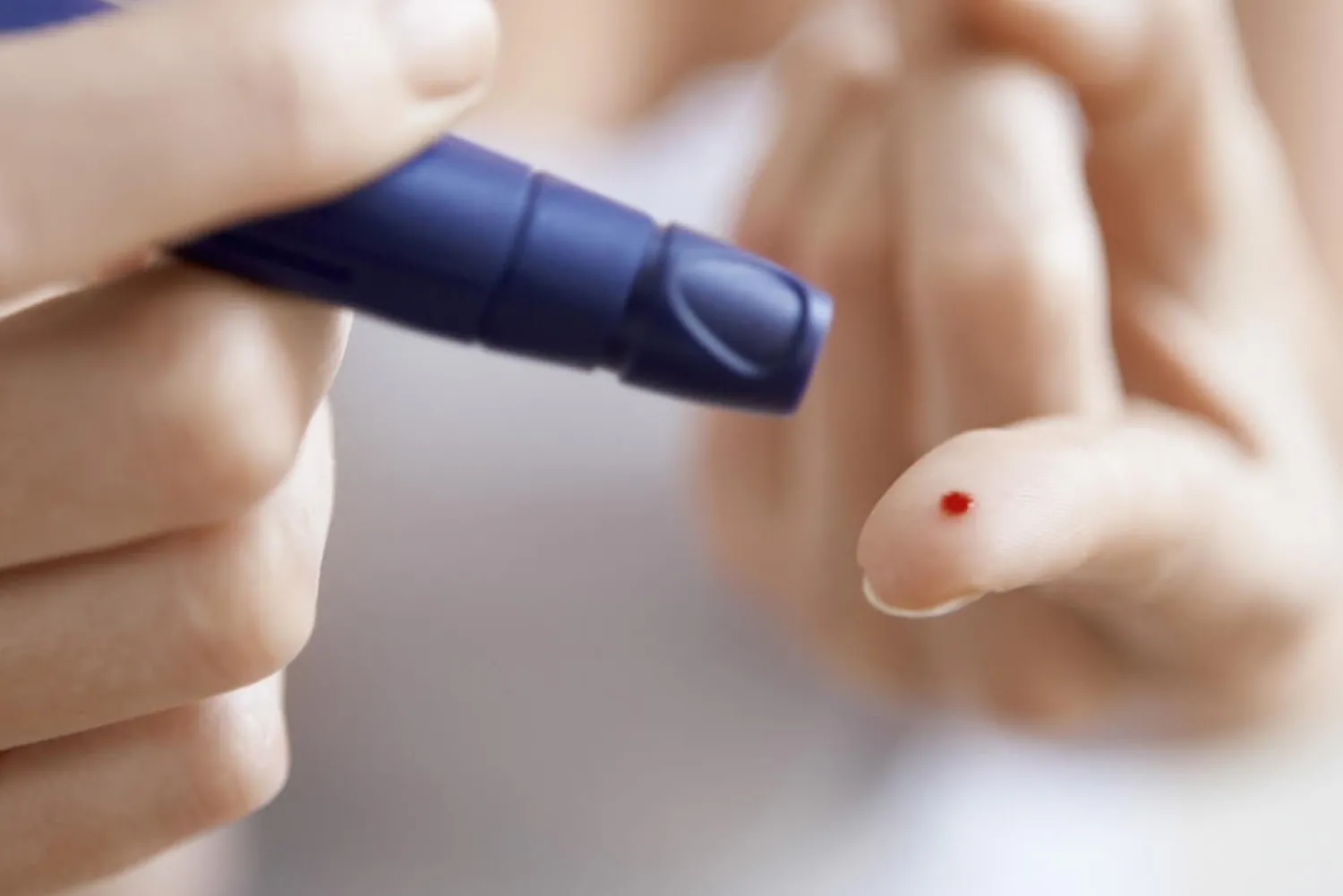
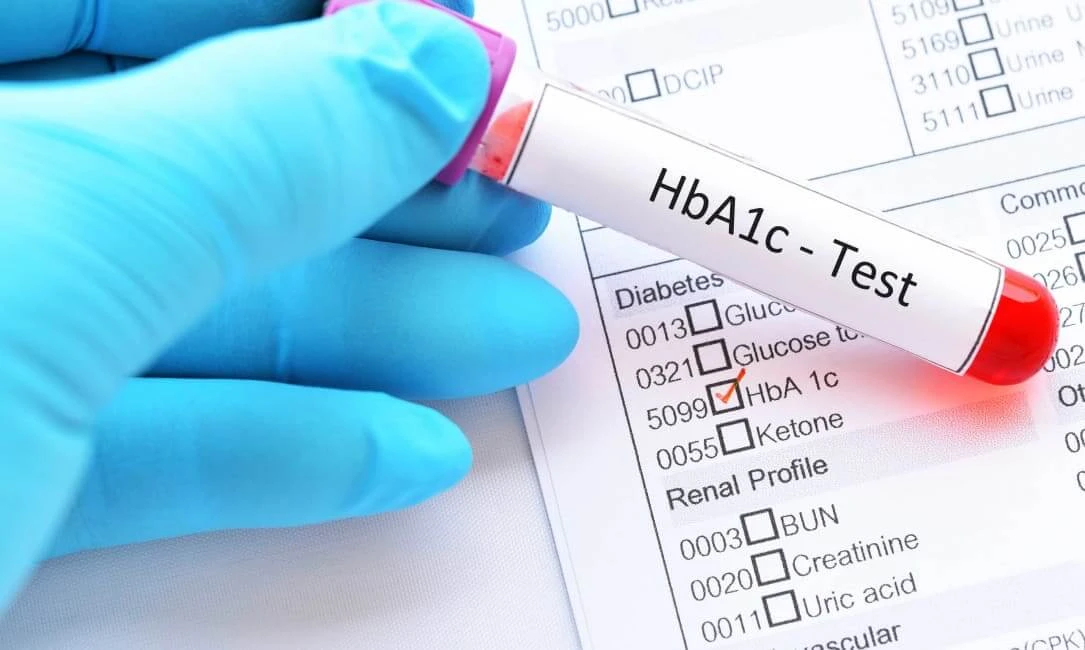
If you wonder how to know if you are diabetic you will need to know your blood sugar levels and your HbA1c levels. There are found from a simple blood test.
1. Blood Sugar Levels - this is a measure of how much sugar is circulating in your blood.
2. HBA1c Levels - this is a measure of how much sugar is attached to the red blood cells in your blood.
What is Type 2 Diabetes?
What causes diabetes depends on which type you have:
- Type 1 is usually diagnosed in children or young teenagers. It is caused by an autoimmune response which leads the body to not be able to make insulin. Here the diabetic must take insulin every day
- Type 2 normally develops over a number of years and is diagnosed in adults. Here the body either does not make enough insulin or does not respond to the insulin produced adequately. While there are many factors that influence how do you get diabetes obesity seems to be a major cause. Other causes of diabetes include family history, ethnic origin, activity levels, History of PCOS (poly Cystic Ovary Syndrome) and age.
Blood Sugar
For the average person, blood sugar levels are 70 to 105 mg/dl before food. You may have Diabetes if this blood sugar level is at or above 126 mg/dl.
Sugar on Red Blood Cells (HbA1c Level)
The single most decisive measure as to whether or, not you are diabetic is your HbA1c level.
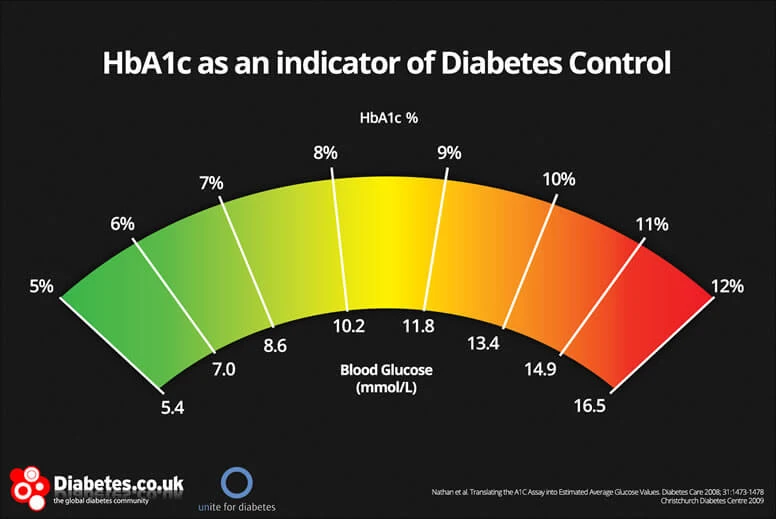
- The normal range for the HbA1c level is between 4% and 5.6%.
- HbA1c levels between 5.7% and 6.4% may mean you are pre-diabetic & at risk of developing this disease.
- Levels of 6.5% or higher mean you may have type 2 diabetes.
HbA1c is referred to as glycosylated hemoglobin. It is a measure of the amount of sugar attached to the body's red blood cells.
It shows your blood glucose control over the last 2-3 months.
Eating correctly for a week or so before the diabetic clinic will fool no one.
For this reason, Diabetics have their HbA1c levels measured:
- at 3–6-monthly intervals until the HbA1c is stable on unchanging therapy
- 6-monthly gaps once the HbA1c level and blood glucose-lowering therapy are stable.
HbA1c targets
- Type 2 Diabetics who manage without medicines aim for an HbA1c level of 48 mmol/mol (6.5%).
- Type 2 diabetes managed by lifestyle & diabetic medicine aims for an HbA1c level of 48 mmol/mol (6.5%).
- When a number of medicines are required or where low blood sugar episodes occur aim for an HbA1c level of 53 mmol/mol (7.0%).
Low blood sugar is also called hypoglycaemia.
What are the Signs of Diabetes?
These include:
- Excessive Thirst
- A large and insatiable appetite
- Loosing weight without trying
- Feeling tired
- Urinating a lot
- Developing dry skin
- Reduced feeling in your fingers and toes or tingling
- Having blurred vision

Ann O’Flynn B.Pharm, MA, BSc, MPSI
Ann is the owner of dPharmacy and has a particular interest in Health foods and supplements. Ann is a Tutor pharmacist and has gained numerous qualifications in alternative therapies - which she uses alongside her extensive clinical training. If you have any queries on medicines or health foods please reach out to us by email, text or phone.
 Chat online >>
 Call us on >>
 Email us at [email protected] >>
Disclaimer
Please be aware that the information on our site is for information only. While we hope you find it helpful, it is not our intention for our articles to be used as a basis for diagnosis or treatment. If you suspect you may have a health issue or wish to start taking any medicine, please consult your pharmacist, doctor or contact us directly. You can get in touch with us by phone, email, online chat or text. We would be delighted to run through any concerns you may have. Our goal is to deliver health directly to you - pleasantly and effectively. However, dPharmacy will not accept responsibility for any side effects or health damages from the use of medicines offered on this site.