
Dandruff and Scaly Scalp Vitamins

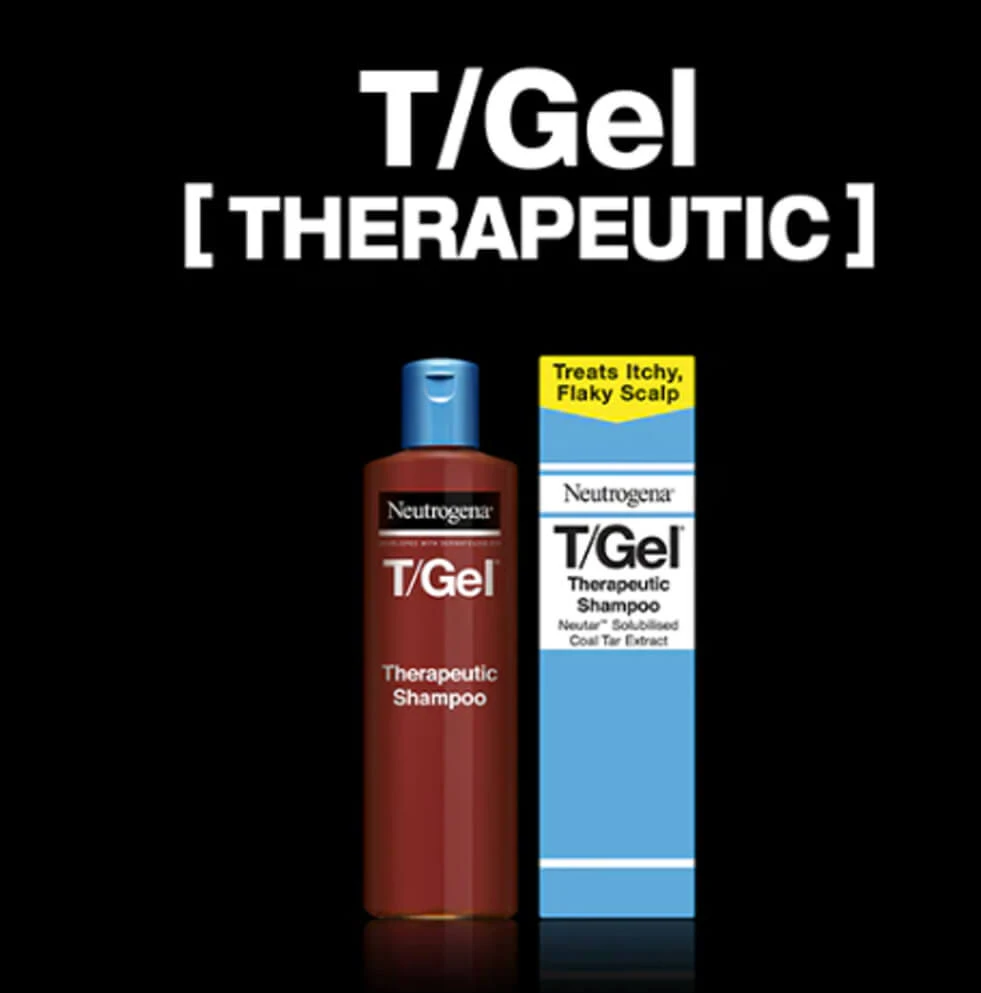
Seborrheic dermatitis (SB) and dandruff are skin disorders that have similar causes. They both occur in the oily regions of the body.
Both involve itchy, flaking skin. Dandruff is mostly restricted to the scalp, whereas seborrheic dermatitis can also appear on the face, upper chest, armpits, and groin.
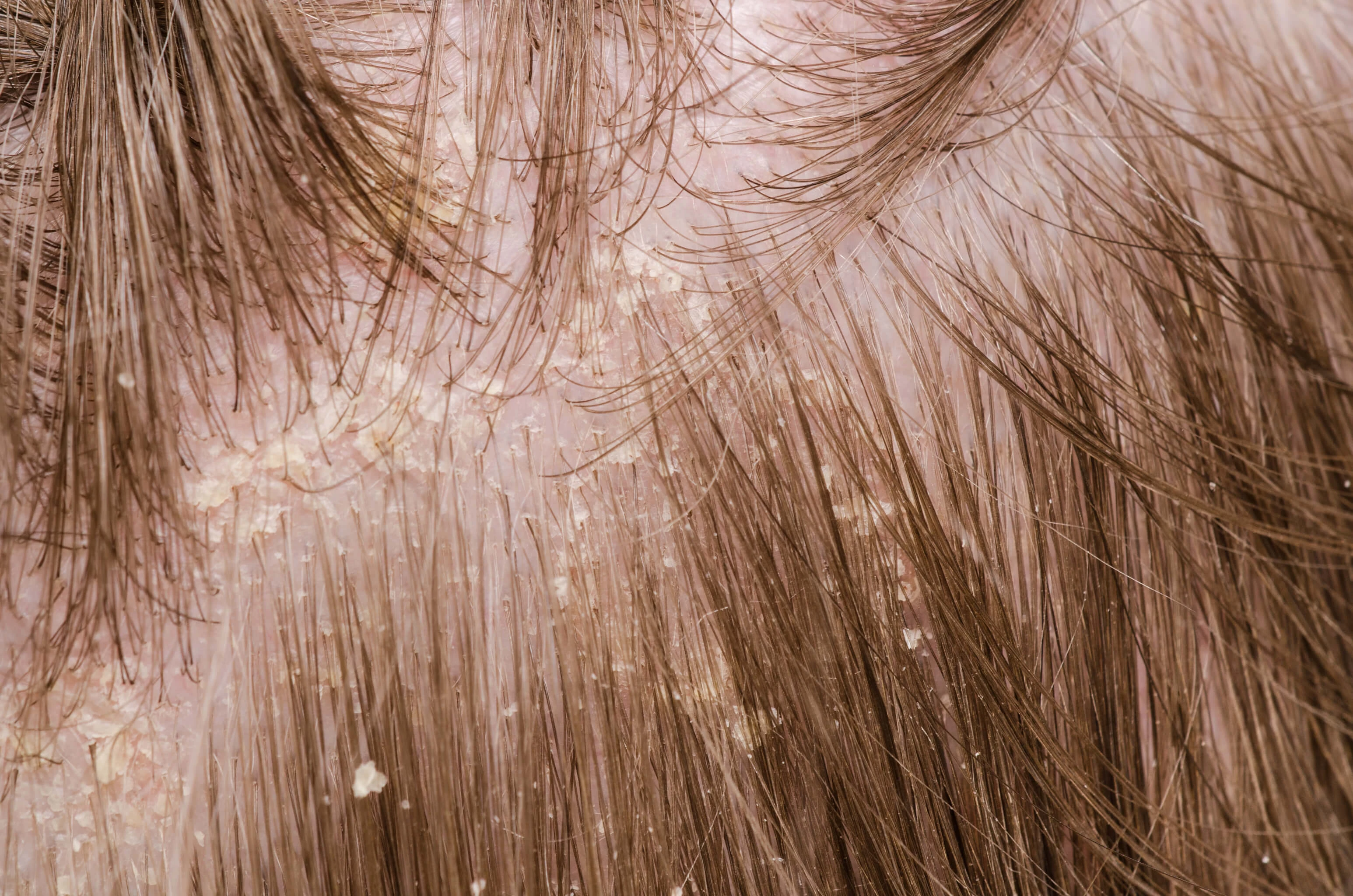
What Dandruff is:
Dandruff appears as skin flakes accompanied by an Itch on your scalp, hair, eyebrows, beard or moustache, and shoulders. In Infants, it looks like an almost crusty scalp (cradle cap). It is made worse by stress and winter weather.
Causes of Dandruff include:
Excess oil on the scalp, not shampooing enough, irritation or allergy to hair care products, Dry skin, and a yeast or fungal infection called Malassezia. This fungus is naturally present in most people but somehow gets out of control and leads to dandruff.
Other skin conditions, such as Psoriasis and eczema, correlate to the occurrence of dandruff.
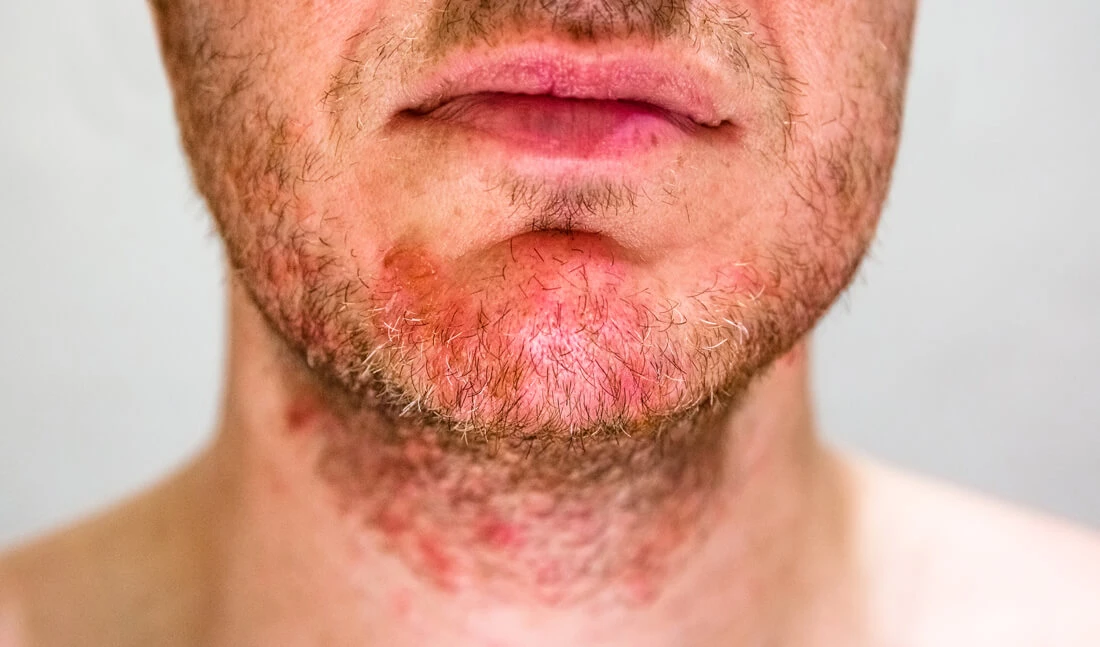
What Seborrheic dermatitis is:
Seborrheic dermatitis appears as skin flakes on your scalp, eyebrows, beard/moustache area, sides of nose, ears, eyelids, chest, armpits, under the breasts &/or groin area.
Here the flakes are greasier than with dandruff, the skin can be red, and itching is usually more intense.
The causes of this are again a lowered immune system, over sensitisation &/or an overgrowth of the naturally occurring fungus Malassezia.
Both Dandruff and Seborrheic dermatitis is most likely to occur as a young baby, in puberty and middle adulthood.
Dandruff and Seborrheic dermatitis are common conditions and affect up to 50% of people at some point in their lives.
Both of these conditions, while caused by many factors, have been linked to dietary deficiencies.
Vitamins & Dandruff and Seborrheic dermatitis
In particular, some studies show that low levels of riboflavin (Vit B2), niacin (Vit B3), Zinc, and pyridoxine (Vit B6) occur with these conditions.
Further research is required to determine the exact role each of these nutrients has in contribution to dandruff or Seborrheic dermatitis.
Foods rich in the Vitamin B’s of niacin (B3), riboflavin (B2), and pyridoxine (B6) include meat, fish, whole grains, poultry, eggs, green & starchy vegetables, dairy products and nuts, and seeds.
Fish, meat, dairy products, legumes, whole grains, and nuts provide the body with excellent sources of the mineral zinc.

Ann O’Flynn B.Pharm, MA, BSc, MPSI
Ann is the owner of dPharmacy and has a particular interest in Health foods and supplements. Ann is a Tutor pharmacist and has gained numerous qualifications in alternative therapies - which she uses alongside her extensive clinical training. If you have any queries on medicines or health foods please reach out to us by email, text or phone.
 Chat online >>
 Call us on >>
 Email us at [email protected] >>