
Zinc - An Overview

There is mixed evidence on whether or not Zinc is of use as either a defence or as part of the treatment for COVID 19. There is a logical link between the prevention of COVID and taking a this supplement.
It is long established as a mineral that protects against both bacterial and viral infections. There is evidence that it not only prevents colds but also shortens the duration a cold lasts.
A supplement of it may be of use to individuals who have low levels of this nutrient. Typically vegetarians and those with a high alcohol intake are at risk of being deficient.
It is an essential mineral. It is used in Metabolism, Immunity, protein production, DNA synthesis, growth, and wound healing.
Benefits of Zinc
The benefits of taking this supplement or eating adequate amounts of it in your diet include:
- It boosts your Immunity. It is essential for immune cell function, particularly in how cells send signals throughout the body's immune response. This nutrient also reduces oxidative stress (which is linked to infection and ageing). One study found that a supplement of 90mg a day can reduce the duration of a cold by 30% to 40%. The immunity benefit of it is more evident in older people.
- It quickens wound healing. This nutrient is commonly used in traditional medicine for ulcers, burns, and other skin injuries. It is used both by taking oral supplements and using it topically (e.g., in dressings). Its benefit is most likely because itt is essential for collagen production and has an inflammatory effect. The skin holds up to 5% of the total body's Zn store. Hence a lack of it quickly shows in skin repair and skin health. One study involving a daily supplement of 200mg a day showed significant healing in diabetic foot ulcers.
- It reduces certain age-related diseases. Diseases such as macular degeneration of the eye and pneumonia react positively to a supplement of this mineral. This is most likely linked to the fact that it reduces oxidative stress. Oxidative stress is when there are more free radicals (molecules that damage the body's cells) than there are antioxidants (molecules that neutralize these free radicals). Without enough antioxidants, tissue damage occurs. This damage can be seen as either disease or ageing. Oxidative stress is a natural process that is part of ageing. This mineral boosts the activity of the T-cells and natural killer cells. These cells protect the body against infection and tissue damage. In one study over almost 500 people taking a multivitamin of Zinc with Vitamin C & E, and Beta Carotene noticeably reduced the risk of macular degeneration progression.
- It is of benefit in the management of Acne. Its anti-inflammatory and immunity-boosting effect is of use with Acne. It reduces acne swelling, fights the bacteria P. Acnes, and suppresses oil production's immune response. One study found that people with acne have lower levels of this mineral. It can be used both topically and as a supplement in the treatment of acne.
- It reduces inflammation. As discussed previously, it reduces the oxidative stress that free radicals place on the body. Together with its ability to reduce the levels of inflammatory proteins in the body, this effect makes it a potent anti-inflammatory. A daily dose of 45mg has been shown to reduce inflammatory markers noticeably. This nutrient's anti-inflammatory benefit is of use in the management of heart disease, certain cancers, and mental decline.
- It can be of use in the management of Diarrhoea. Studies show that taking this supplement reduces the severity and duration of diarrhoea.
- It can be used in the treatment of a rare inherited disease called Wilson's disease. This disease results in people having excess copper in their bodies. As it blocks the absorption of copper and increases its release into the body, it has an obvious benefit in this disease.
Sources of Zinc
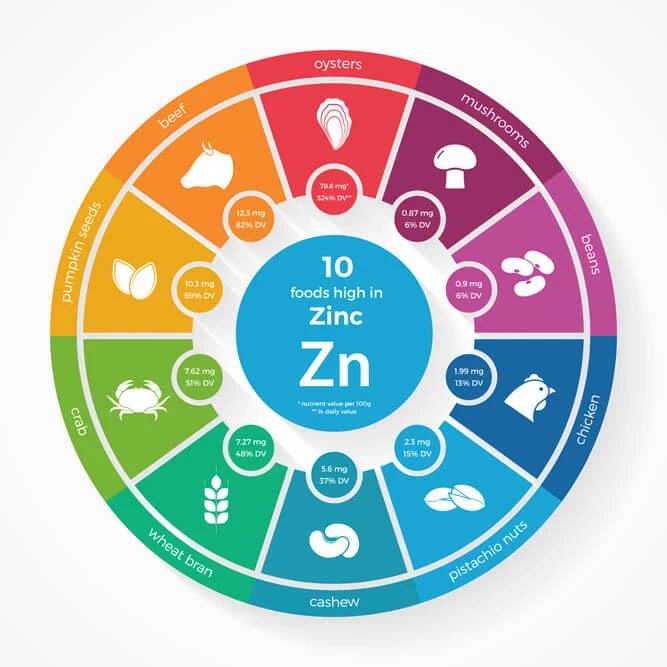
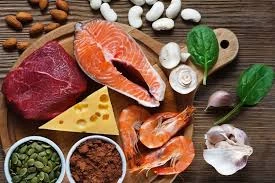
A healthy diet should provide between 8mg to 11mg a day. Good sources include:
- Red meat,
- Shellfish,
- Poultry - Chicken, Turkey
- Legumes - Chickpeas, lentils
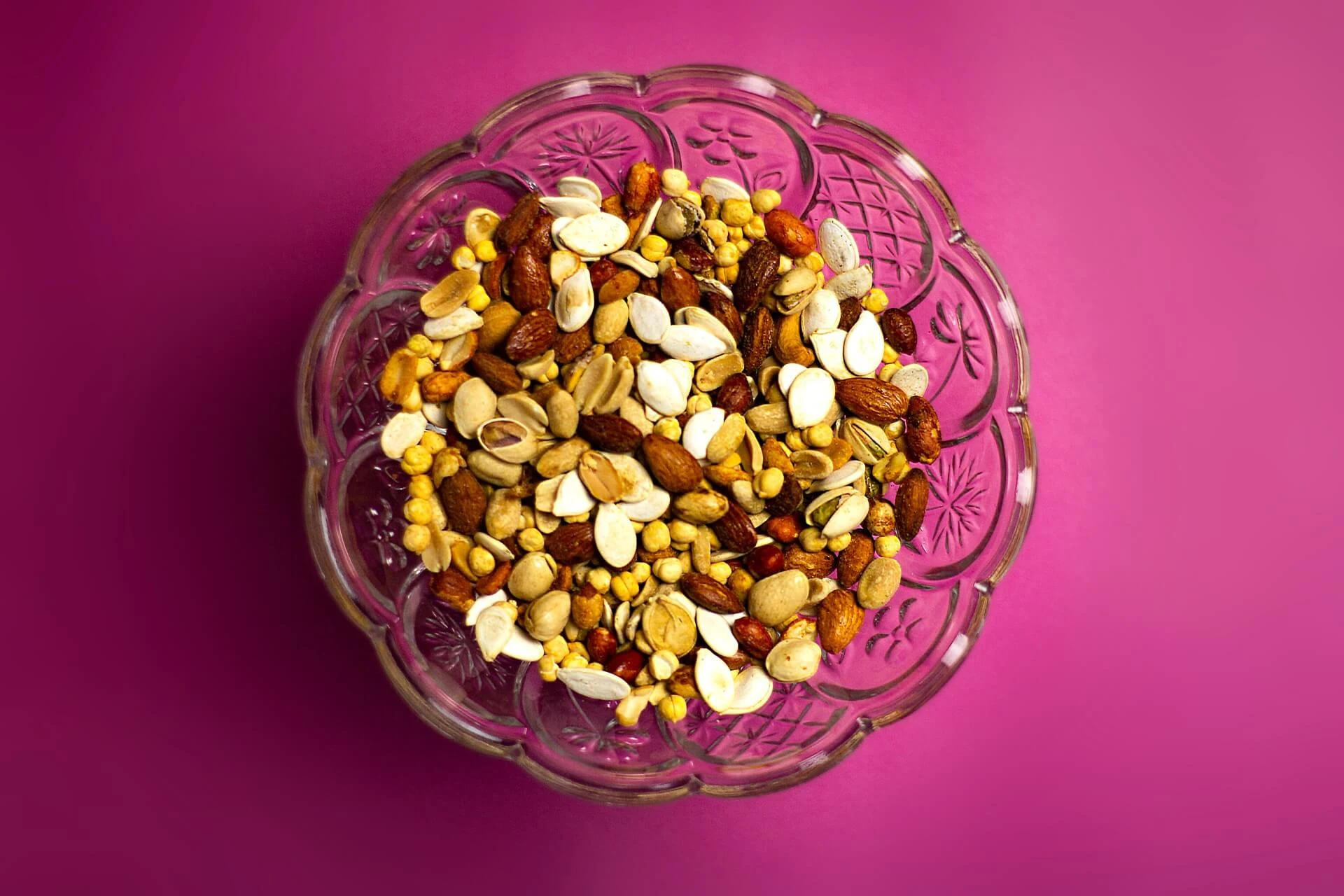
- Seeds - Flax seeds, hemp seeds, squash seeds & Pumpkin Seeds
- Nuts - Peanuts. Almonds & Cashew Nuts
- Dairy Foods - Cheese & Milk
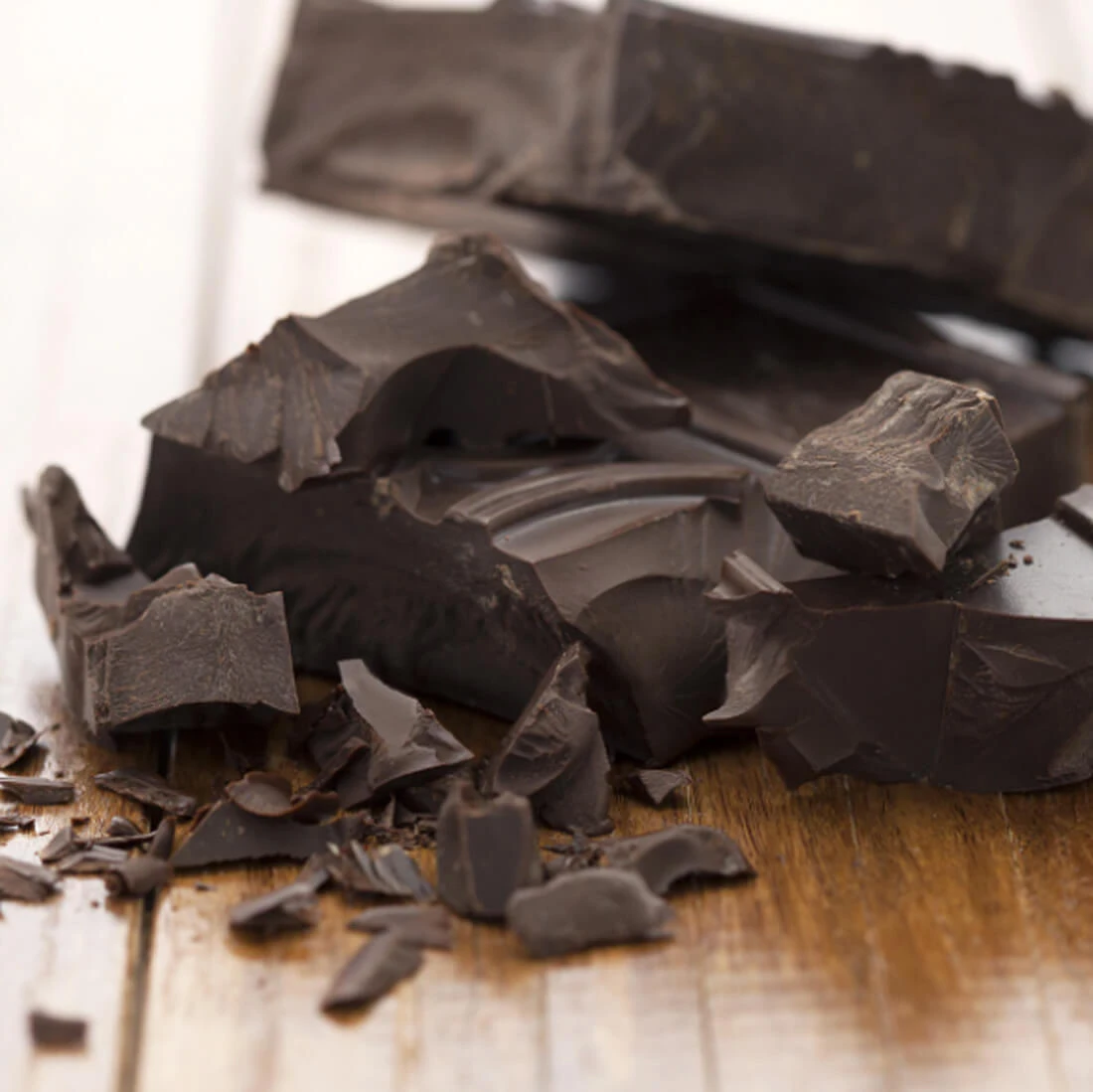
- Dark Chocolate
- Eggs
- Whole grains
Interactions of Zinc
- It decreases the absorption of Cephalosporins antibiotics such as Cefalexin (Keflex). Taking them three hours apart minimizes this interaction.
- It may reduce the absorption of the Quinolone antibiotics ciprofloxacin (Klacid), ofloxacin (Tarivid), and other cephalosporins.
- It also reduces the absorption of only some Tetracycline antibiotics. The absorption of tetracycline (which is now rarely used) is reduced by up to 50%, whereas the interaction with Doxycycline (Vibramycin) is minimal.
- The interaction between thismineral and Iron is unsure. Some studies show that it reduces the bioavailability of Iron (i.e., Zn reduces the active Iron that the body uses), while other studies show taking this mineral and Iron together may be of use. This interaction may be dose dependant – research suggests that this interaction only occurs when high levels of both minerals are in the gut. More research is needed, but current thinking is that this interaction is not important at the normal intake of these nutrients.
- Topical Zn (i.e., in creams and dressings) reduces the effectiveness of topical Hydroxyquinoline (used for vaginal infections).
- The absorption of this mineral is reduced by Calcium. Why this interaction occurs is unknown, but it seems sensible to separate Zn and Calcium supplements by a couple of hours.
- There is a mild interaction between it and some anti-diabetic drugs. The reason for this may be that this mineral lowers blood sugar levels to a small extent.
Side effects of Zinc
Within recommended daily dose supplementation causes no side effects. Above acceptable ranges, side effects of excess of this mineral may cause upset stomach, vomiting, and headache. Above 40mg a day, you may experience flu-like symptoms, including coughing, headache, tiredness, and even fever.
As mentioned earlier, it interferes with the absorption and storage of copper in the body. Copper is also an essential mineral. The body needs it to form red blood cells and to maintain healthy blood vessels, nerves, and bones. Copper is also needed for a strong immune system and to absorb iron. Adequate Iron prevents osteoarthritis and heart disease.
Zinc Toxicity
This can occur:
- in acute kidney disease,
- with excessive supplements (greater than 200mg a day will cause toxicity), and
- being exposed to certain pesticides and compounds such as rubber, paints, etc.
Its toxicity also occurs in a condition called Haemochromatosis. This is a genetic illness where excessive iron builds up in the body. Prolonged high doses of it (between 50 to 150mg daily) can also lead to toxicity. This is because itcan build up in the body and can be either acute or chronic.
Signs of toxicity include abdominal pain and nausea with diarrhoea together with headaches, excessive tiredness, depression or irritability, dizziness, and anaemia.
Toxicity can cause low copper levels, a reduction in iron levels, smaller than normal red blood cells, which leads to anemia and neutropenia (i.e., low levels of the white blood cells called neutrophils, which results in a reduced immune function).
Reduced levels of high-density lipoproteins (LDL) also occur with excessive levels of this nutrient. The LDL is considered bad cholesterol, and a build-up of LDL narrows the arteries and can lead to a heart attack or stroke. Lower LDL levels are generally considered to be healthier, but research is looking at what level LDL can be reduced to before there are consequences to your health. LDL is considered to be very low when they fall below 40mg per deciliter of blood.
This toxicity may be associated with certain cancers, depression, anxiety, preterm birth, and Haemorrhagic stroke.
While patients who suffer from pancreatitis (inflammation of the pancreas) have been linked to low levels of blood Zn, paradoxically, high levels can cause inflammation of the pancreas. We are still unsure why toxicity causes pancreatitis, but it is thought to be linked to the pancreas' role in excreted this nutrient from the body.
Zn has a direct impact on your heart. It protects against oxidative stress of the heart's cells. It prevents damage to the heart tissue. Studies have linked a deficiency to heart failure.

Ann O’Flynn B.Pharm, MA, BSc, MPSI
Ann is the owner of dPharmacy and has a particular interest in Health foods and supplements. Ann is a Tutor pharmacist and has gained numerous qualifications in alternative therapies - which she uses alongside her extensive clinical training. If you have any queries on medicines or health foods please reach out to us by email, text or phone.
 Chat online >>
 Call us on >>
 Email us at [email protected] >>