Essential Oils for Headaches and Tension
-1500x1001w.webp "Essential Oils for Headaches and Tension")
Headaches and physical tension are a common reason people use essential oils. In a pharmacy, these conversations often begin with, “I don’t want to take tablets all the time,” or “I can feel it building in my neck again.”
It is important to say this clearly from the start: essential oils do not treat medical causes of headache. They can however, give relief when headaches come with muscle tension, stress, posture, screen use, or stress issues.
.webp)
Tension Headaches
Many everyday headaches are not due to disease, they are caused by muscle tension and stress. Common causes include:
- Neck and shoulder tightness
- Jaw clenching
- Poor posture
- Prolonged screen use
- Stress and emotional load
- Eye strain
Tension headaches feel like a tight band around the head with pressure at the temples and a heavy feeling at the base of the skull. it is a dull ache rather than sharp pain
How Essential Oils Work
These oils do not act as painkillers, but they impact pathways involved in pain perception and muscle tension. Often non-migraine headaches are linked to prolonged muscle contraction, stress and sensory overload.
Aromatherapy can help with the causes as well as the symptoms.

How to Use Essential Oils for Headaches
These oils can work in a few ways:
- They can relax you and reduce stress. This can help interrupt the cycle of tension leading to pain leading to tension.
- Applying diluted oils to the skin can provide a sense of relief (via heating or cooling the skin) and draw attention away from discomfort.
- The ritual of applying oils or using diffusers encourages pauses, breathing, and awareness of posture and tension, all of which matter more than many people realize.
Clinical research in complementary medicine has looked at these effects, particularly with oils such as peppermint and lavender, showing reductions in perceived pain intensity and tension-related symptoms.
.webp)
Why Oil Blends Work for Headaches
Headaches are rarely caused by a single factor. A well-designed blend can address multiple aspects at once. They can often work better than a single oil. For example, a blend may include:
- An oil that provides a cooling sensation
- An oil that supports muscle relaxation
- An oil that calms the nervous system
Essential Oil Blends for Headaches & Tension
Absolute Aromas Headaid
This is designed for tension-related headaches. It contains peppermint, eucalyptus, rosemary and lavender oils. It helps clear the head, ease tension and promote a feeling of freshness and relief. It is best used:
- As a topical blend diluted in a carrier oil
- In a personal inhaler
- At the first sign of tension building
.webp)
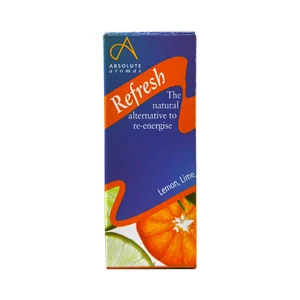
Absolute Aromas Refresh
Refresh blends are often used when headaches are associated with mental fatigue, excess screen use, or sensory overload. It contains eucalyptus, lemon, peppermint and pine oils. It helps to freshen the air, clear the senses and create a clean, uplifting atmosphere. It is used:
- During the day
- In short diffusion sessions
- As an inhaler rather than continuous room diffusion
Absolute Aromas Prevention
This blend is often used earlier in the day when headaches
tend to follow predictable patterns. The goal here is prevention rather than
pain relief. It contains eucalyptus, tea tree, lemon, pine and thyme oils. It
is designed to help keep the air feeling clean and fresh and can be used for
congestion, tension headaches and sinus.
Single Essential Oils for Headaches & Tension
Peppermint Oil
This is a popular essential oils for tension-related headaches. Its cooling sensation and strong scent can feel relieving when applied correctly. It contains menthol, a compound known to activate TRPM8 receptors in the skin and sensory nerves. These receptors are responsible for detecting cold sensations. Peppermint is stimulating and is best avoided late in the evening.. It gives a cooling effect that can:
Reduce pain signals
Reduce the perception of how bad the pain is
Give a strong cooling sensation that distracts you from headache pain
Menthol also influences superficial blood flow, which is why its useful in headaches that occur with muscular tension and restricted circulation in the scalp and neck. It is typically used topically in a diluted form on the temples, neck, or shoulders. Peppermint Oil is best for:
Tension-type headaches
Pressure-related head pain
Headaches associated with neck and shoulder tightness
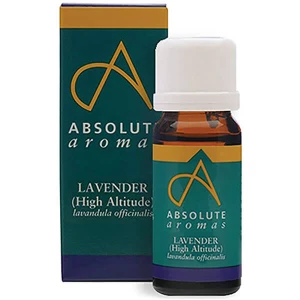
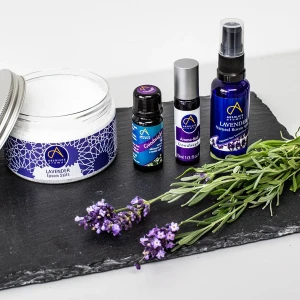
Lavender High Altitude
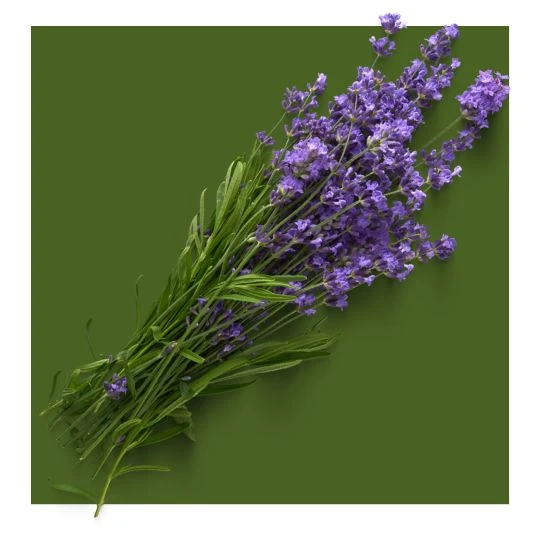
This causes both muscle relaxation and calming (not sedation). It is often chosen when headaches are linked to stress or poor sleep. It can be used by applying it (diluted) to skin, by diffusion and in inhaler devices (or on a tissue). It works well on its own or as part of a blend. Lavender essential oil is rich in linalool and linalyl acetate, research in neuropharmacology has shown that these can:
Reduce sympathetic nervous system activity (this is the Fight or Flight Nervous system)
Increase parasympathetic Nervous System (this is the rest and digestion nervous system)
Lower stress-related physiological markers
Stress plays a large role in amplifying pain perception and maintaining muscle tension. By calming the nervous system, lavender may reduce how strong you fell the pain is and also actually reduce the pain by reducing tension. It is useful for headaches that occur with:
Emotional stress and anxiety
Poor sleep quality
Mixed tension-emotional patterns
It is suitable for both daytime and evening use. It's worth noting that lavender is consistently the number 1 selling essential oil.

Difference Between High-Altitude & Standard Lavender
Both come from the same species: Lavandula angustifolia. The difference is where and how it is grown. Lavender grown at higher altitudes is exposed to:
Cooler temperatures
Stronger UV light
Greater day–night temperature variation
Slower growth conditions
These environmental stresses change how the oil smells and how it acts. Altitude alters the oil’s chemotype profile, even though the plant species is the same. High-Altitude Lavender has a softer, rounder aromatic profile and contains higher levels of linalyl acetate and slightly lower camphor content. Because of this it has a greater calming effects.
Standard Lavender contains a slightly higher camphor content and has a sharper or more herbal note. This does not make standard lavender inferior, but it can feel less relaxing for some people, particularly those who are using it at night.
.webp)
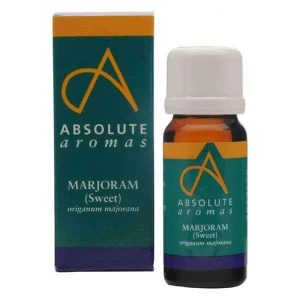
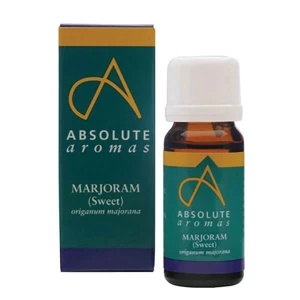
Marjoram Sweet
This causes muscle relaxation. It is often chosen when tension is felt deeply in the neck or shoulders. Because headaches frequently involve sustained low-grade contraction of muscles in the neck, shoulders, and jaw this oil can be very useful.
Marjoram is thought to support muscle relaxation by increasing parasympathetic nervous system activity and providing a gentle warming sensory input. It causes relaxation rather than sedation. It is ideal for headaches where physical tension is a dominant feature.
Rosemary
This is used when headaches come with with mental fog or poor concentration. It is a "wake up" oil and best suited to daytime use. It contains compounds such as 1,8-cineole, which gives increased alertness and circulatory (blood) stimulation. It helps with headaches by:
Increasing mental clarity
Improving cerebral circulation
Reducing how intensely you feel the pain.
It is good for headaches linked to cognitive overload, prolonged concentration, or daytime fatigue rather than stress-related tension. it is generally avoided in the evening.
.webp)
How to Use Essential Oils for Headaches & Tension
Topical use with a carrier oil
Applying directly to the skin (diluted with carrier oil) is one of the most effective methods for tension-related discomfort. Apply to the temples, back of your neck, shoulders and jawline (which holds a lot of tension).
Inhalation and personal inhalers
Personal inhalers are particularly useful for headaches because they allow fast access to the scent without spreading scent throughout a room. You can use an inhaler or just put a drop on a tissue and carry it with you.
This is a handy way to use these oils at work (school) or when travelling. Use at the first sign of a headache.
Diffusion
Diffusion in a electric diffuser, reed infuser or an oil burner can be useful for preventing tension build-up rather than treating an established headache. I think it's great when someone is going through a phase of headaches.
Common Mistakes with Essential Oils for Headaches
- Using too much oil
- Applying oils too close to the eyes
- Relying on oils once pain is severe
- Ignoring posture and hydration
- Using stimulating oils late in the day
In practice, essential oils work best when used early and consistently.
.webp)
Caution with Essential Oils & Headaches
Do not rely on aromatherapy if headaches are:
- Sudden
- Severe
- Progressively worsening
- Associated with neurological symptoms
- Linked to head injury
- New or unusual
They require medical assessment. Essential oils should not delay seeking advice in these situations.
Final thoughts from the Supplement Counter
Headaches and tension are often signals that the body is under sustained pressure. Essential oils do not remove the cause, but they can help with the symptoms and causes. As with all aromatherapy use, the goal is support, not suppression.
.webp)
Ann O’Flynn B.Pharm, MA, BSc, MPSI
Ann is the owner of dPharmacy and has a particular interest in Health foods and supplements. Ann is a Tutor pharmacist and has gained numerous qualifications in alternative therapies - which she uses alongside her extensive clinical training. If you have any queries on medicines or health foods please reach out to us by email, text or phone.
-300x300.webp "Absolute Aromas Refresh (10 ml)")
-300x300.webp "Absolute Aroma Peppermint English Oil 10ml")
-300x300.webp "Absolute Aroma Peppermint English Oil 10ml")
-300x300.webp "Absolute Aromas Lavender High Altitude (10 ml)")

-300x300.webp "Absolute Aromas Headaid Oil (10 ml)")
-300x300.webp "Absolute Aromas Prevention Oil (10 ml) -")
-300x300.webp "Absolute Aromas Prevention Oil (10 ml) -")
-300x300.webp "Absolute Aromas Rosemary (10 ml)")
-300x300.webp "Absolute Aromas Rosemary (10 ml)")
-300x300.webp "Absolute Aromas Lavender High Altitude Oil (30 ml)")
-300x300.webp "Absolute Aromas Lavender High Altitude Oil (30 ml)")
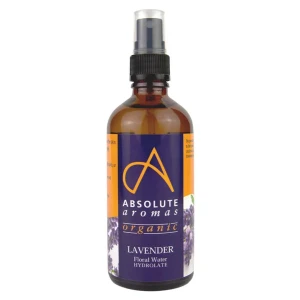
-300x300.webp "Absolute Aromas Organic Lavender Water (100 Ml)")
-300x300.webp "Absolute Aromas Organic Peppermint (10 ml)")
-300x300.webp "Absolute Aromas Organic Peppermint (10 ml)")
%20(10%20ml)-300x300.webp "Absolute Aromas Headaid Aroma-Roll 10ml")
-300x300.webp "Absolute Aromas Organic Rosemary (10 ml)")