
Vitamins for Younger Smoother Skin

Eating a healthy, nutritious diet with all your required food groups is essential for healthy glowing skin.
Practical Tips for Younger skin
- Protect your skin from the sun and use an SPF. Try to use sunscreen with an SPF of at least 15 every day to protect your skin from the harmful rays of the sun. Avoiding the sun between 10 AM and 4 PM when UV rays are strongest will also protect your skin.
- Do not smoke cigarettes. Smoking damages the skin in several ways. It contributes to wrinkles and makes your skin look older. When you smoke, the blood vessels in the skin narrow, reducing the blood flow to the skin. This makes the skin look paler and reduces the oxygen and nutrients that these blood vessels bring to the skin. Smoking reduces the elasticity and strength of your skin by damaging collagen and elastin. The final way in which smoking damages skin is by increasing your risk of skin cancer.
- Treat your skin with care. Being gentle with your skin and avoiding severe or heavily fragranced products to reduce the stress on your skin. Regularly moisturize your skin, avoiding long hot baths, and shaving carefully are also practical tips.
- Reduce your stress levels.
The effect of stress on the skin is well-documented. Stress is known to have the following effects:
Acne
Stress increases the production of cortisol. This hormone stimulates sebum production around your hair follicles. The excessive production of oil blocks pores can contribute to acne.
Under-eye bags
Under-eye bags of the common sign of ageing. Stress impacts your skin's elasticity. This reduced elasticity can lead to bags or dark circles forming on and under your eyes as the skin sags.
Dry skin
Stress affects the skin's ability to maintain the stratum corneum. This is the outer layer of the skin which contains fats and proteins. This layer is essential for skin hydration and to protect the immunity of the skin. Stress can lead to dry skin, and in severe cases, the skin can become dehydrated and aged.
Fine lines and wrinkles.
Stress reduces skin elasticity by altering the epidermis's proteins (i.e., the outer layer of the skin). This loss of elasticity allows sagging and wrinkles to form.
Grey hair
A recent study has found that skin cells, called melanocytes, are damaged by stress. The role of these cells is to produce pigments in the hair and skin. A reduction in either the volume or activity of these cells leads to great hair. Stress is also linked to hair loss as it can disrupt the hair growth cycle.

Diet and skin health
To have healthy fresh young, glowing skin, the following nutrients are essential:
- Omega 3
- Vitamin A, D, C & E
- Probiotics
- Collagen
If you eat a healthy, well-balanced diet that includes plenty of fresh fruits and vegetables, supplements should not be required.
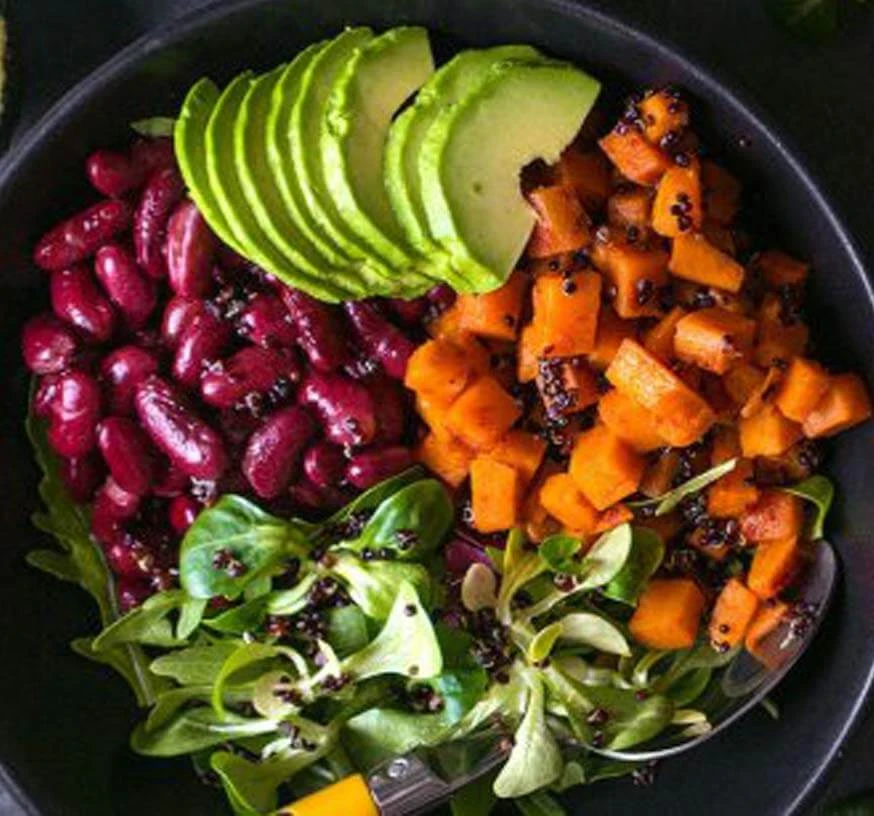
Vitamin A
This is a fat-soluble nutrient, which cannot be made by the body. It is needed for healthy skin, eyes, and reproductive health. It is a key nutrient required to support the immune system.
It can be found in your diet as either a preformed Vitamin A (retinol) or as a carotenoid. Both types are metabolized to retinol in the liver. They can be either stored in the body cells or transported around the body by the lymphatic system when required.
Retinol's function is to stimulate new skin cell production; a lack of retinol can lead to dry skin, excess keratin in the skin (and hair follicles), and raised spots on the skin.
An unusual thing about this nutrient is that the skin can actually absorb it. This is why many creams and serums include retinol.
It has a positive impact on skin health in a number of ways. Firstly, it increases the production of new cells (i.e., cell turnover). Much research has also shown that retinol increases the production of collagen and reduces wrinkles when used topically. Carotenoids are strong antioxidants and can prevent damage to skin cells, premature skin ageing, and other skin conditions.
As it is fat-soluble it can be stored in the body. Care must be taken when using these supplements as overdose can lead to toxicity.
Similar blogs which may be f interest include Vit A & Immunity, Night Blindness & Diet, Supplements & Bumpy Skin, Bursting the Myths of Retinol

Vitamin E
This is an antioxidant. Its main role in skincare is to fight the free radicals due to sun damage and pollutants. Taking a supplement of it can lead to an improvement in the body’s immunity and your skin's overall health. Applied topically, as creams or lotions, It absorbs the damaging free radicals from sunlight and protects the skin from damage and ageing.
Normally your body would produce enough of this chemical to protect the skin. However, with increased pollution and modern lifestyle, it is possible to be lacking.
It is used to treat dry skin, where there is a lack of sebum & is found in foods such as nuts and seeds.
Another blog we have - the health benefits of Vit E may be of interest to you.
Vitamin D
This is the sunshine hormone, which can either be taken through diet or, more often, is actually produced by the body itself. When your skin absorbs sunlight, It is produced. It is taken up by the liver and kidneys and then transported throughout the body to create healthy cells, including skin cells.
It is involved in both the protection and regeneration of skin cells. Calcitriol (which is its active form) encourages skin cell growth and repair. It improves the skin's immune system by destroying free radicals and so prevents premature ageing.
The recommended daily dose of Calcitriol is that you either get 10 minutes of sun exposure per day, typically on the arms rather than the face, or take 600 units a day.
We have written the blogs Vitamin D, K & Calcium, and Vit D & COVID, which you make like to read
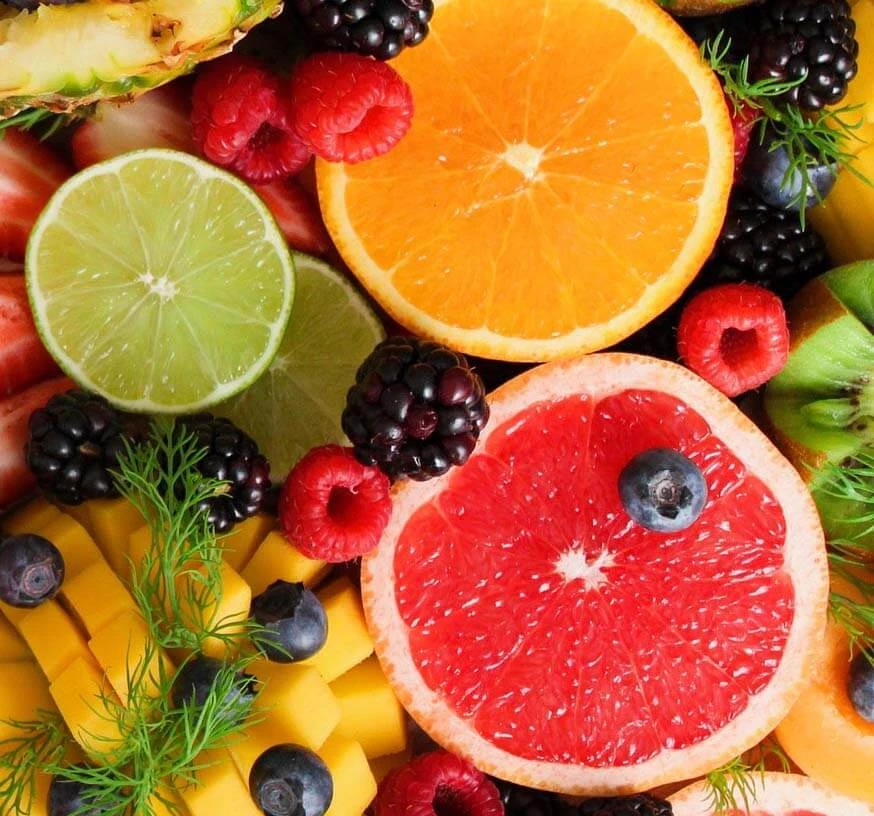
Vitamin C
This is a strong antioxidant. It is found in high levels in the upper layers of skin, called the epidermis. It has several roles in protecting the skin.
Firstly, it is involved in collagen production, which helps maintain youthful, firm, healthy skin. Secondly, it is a strong antioxidant that protects the skin against ageing and certain cancers.
A deficiency of it is very rare, but a minimum of a thousand milligrams per day is recommended. While it is water-soluble and cannot technically build up in the body to toxic levels using mega doses can lead to kidney stones.
Vit C effectively protects the skin when taken orally and when applied topically by creams and lotions. This is why it is a common ingredient found in many anti-ageing skincare products. Both the quality and concentration will impact how effective the product actually is for giving you fresh, glowing skin.
Eating citrus foods, alongside using topical vitamin C skincare products, can help treat dry skin, reduce redness, decrease age spots, and smooth out wrinkles and fine lines.
Other blogs you may enjoy include: Vit C Skin Ingredients, Biolumin C, VitC & COVID, Why VitC is so good for you, Vit C & Arthritis, and Too Much Vit C
,

Vitamin K
While its role in wound repair is well documented, it is also thought to be of use for the treatment of:
- Stretch marks
- Spider veins
- Scars
- Age spots
- On dry skin
Its use in creams is common post-surgery to help with swelling and bruising. It is thought to speed up skin healing, but more research is required.
The recommended daily dose is up to 120 UG per day. Eating foods such as spinach and kale give the body the required nutrient.

Omega fatty acids
Omega fatty acids are found in oily fish, flaxseeds, and soybean oil. Fish oil Omega 3 acids are quickly absorbed while the plant form needs to be changed by the body before it becomes active.
Omega 3 has a potent anti-inflammatory effect. Omega 3 also keeps the skin smoother and softer. As such, it can be of use in both skins sensitizing supplements and as an anti-ageing nutrient.
Because Omega-3 fatty acids regulate the skin's oil production, they improve your skin's hydration and minimize ageing signs.
Omega 3 Fatty acids also soften rough, dry skin and are of great use as a supplement for eczema, dry skin, and dermatitis.
500 mg per day is the recommended daily dose of Omega 3. This equates to about two portions of fatty fish per week.
Probiotics
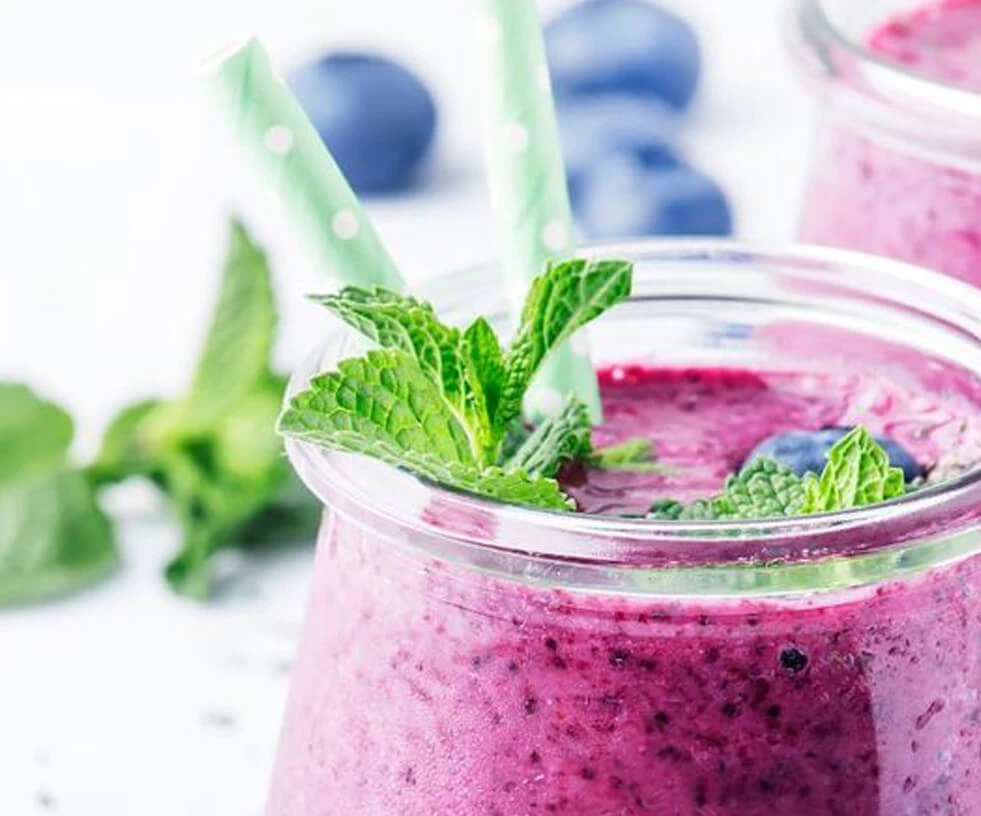
Healthy flora in the gut allows you to absorb all the vital nutrients the body requires for great skin and a healthy body. If you have any digestion issues, adding foods rich in probiotic nutrients to your diet is likely to improve your skin's quality and appearance.
Foods that are rich in probiotics include fermented foods like sauerkraut, cheese, yoghurts, and high fibre foods such as fresh fruit and vegetables. Taking a probiotic supplement can be of use to people who do not normally eat these food groups.
Probiotics have many benefits for healthier fresher looking skin. These include:
Probiotics & Skin Conditions
Foods that are rich in probiotics help you feel good from the inside out. They are known to improve skin conditions such as rashes, psoriasis, eczema & rosacea.
Probiotics encourage Collagen production.
One of the major benefits of probiotics to improving your skin tone is their key role in collagen production. This collagen is essential for firm, smooth skin. Since probiotics encourage an increase in collagen in your skin, they can reduce the signs of aging and tone and firm your skin. As well as adding to the strength of your skin, collagen also reduces the body’s inflammation reaction. This, in turn, leads to an improvement in your skin's tone and texture.
Probiotics hydrate the skin.
As probiotics can strengthen the skin's barrier, it retains hydration of your skin noticeably. As a direct result of this, probiotics improve the health and appearance of your skin.
Probiotics help treat breakouts and acne.
The anti-inflammatory effect of probiotics reduces acne breakouts' severity and occurrence in people prone to spots.
Probiotics help with extra sensitive skin.
La Roche Posay has added probiotics to some of their products for many years (e.g., Lipikar). Creams containing probiotics have been shown to reduce skin sensitivity and irritation, leading to a reduction in the “bumpiness of the skin” and a feeling of smoother skin.
Probiotics & Stress
Since most of the body’s Serotonin (the happy hormone) lives in the gut, an imbalance of micro-organisms in the gut can lead to imbalances in Serotonin. Adequate levels of Serotonin are needed to combat stress and depression. The effect of stress on your skin’s health is huge. By having a balanced gut and plenty of Serotonin, the negative impact of stress on your skin is reduced, leaving you with younger, smoother, and firmer skin.
Collagen
Collagen makes up connective tissues such as skin, muscles, and ligaments. Collagen is the most common protein found in the body. It is essential for bone strength and skin firmness. Collagen supplements, particularly hydrolysed collagen supplements, have become extremely popular. Hydrolysed collagen is easier to absorb and has a significantly larger impact than supplements of non-hydrolysed collagen.
Collagen improves the youthfulness and smooth of your skin in several ways. These include:
- Collagen is the protein from which most of your skin is made. Collagen Hydrates your skin by strengthening the skins barrier properties. It also strengthens the structure of the skin. Both of these effects lead to firmer smoother looking skin.
- Collagen supplements prevent bone loss. As we age, our bones thin and reduce in size. This loss of facial bone is the main cause of sagging lower face skin. Increasing your collagen intake reduces bone loss as we age and keeps our skin looking firmer and tighter.
- Collagen accounts for about 10% of your muscle mass. Increasing collagen intake significantly increases your muscle mass when you exercise. As increased muscle improves facial tone and firmness, it leads to a more youthful, smoother complexion
Check out our blog on the health benefits of Collagen

Ann O’Flynn B.Pharm, MA, BSc, MPSI
Ann is the owner of dPharmacy and has a particular interest in Health foods and supplements. Ann is a Tutor pharmacist and has gained numerous qualifications in alternative therapies - which she uses alongside her extensive clinical training. If you have any queries on medicines or health foods please reach out to us by email, text or phone.
 Chat online >>
 Call us on >>
 Email us at [email protected] >>