
Diabetic medicines: Diamicron

While metformin is usually the first-line treatment for managing type 2 diabetes, there are other medicines used. There are several groups of treatments for this illness.
One of these many groups of medication is called the Sulfonylureas. There are two main types of “generations” of sulfonylureas available to treat type 2 diabetes.
In diabetes, your blood glucose levels not within normal levels. Certain people don't produce enough insulin. In other cases, the body does not respond to the insulin made in a usual manner.
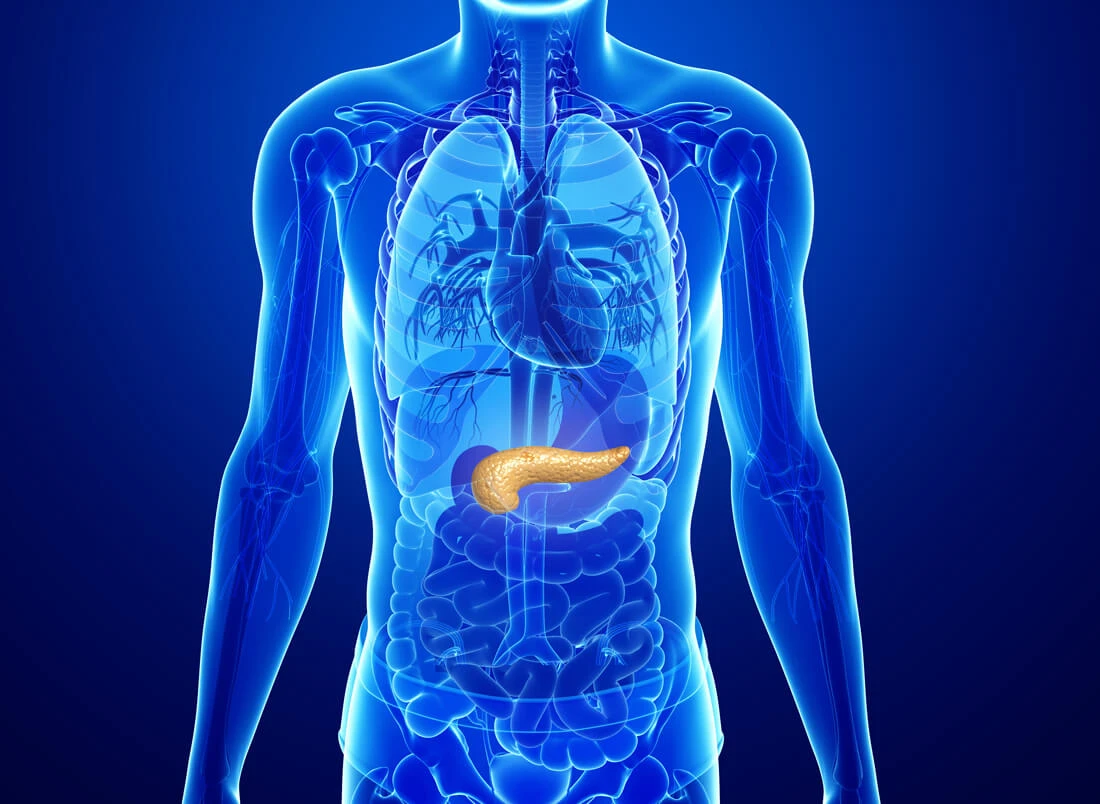
Insulin is needed to help all the body’s cells to take sugar from the blood and change it to energy. The beta cells in the pancreas make the body's insulin.
This group of drugs work by encouraging the pancreas to make more insulin. For these to work, your pancreas must still be functioning.
It is common in diabetes that the pancreases’ ability to produce insulin declines with time. As a result, these often need to be increased in dose or have other medications added to them to control blood glucose levels as you age.
The earlier (first generation) of these medications are defunct. A popular second-generation one is Diamicron (gliclazide). Third-generation brands include Amaryl.
Side Effects
The significant risk with these medicines is that your blood sugar can drop too low. Very low levels happen if you do not eat enough or take too high of a dose. Other side effects include gastro upset, headaches and hypersensitivity reactions.
Sulfonylureas may induce hypoglycaemia. Hypoglycaemia typically occurs if the dose is too high and the patient is fasting. Like insulin, sulfonylureas can cause weight gain, mainly because of the increased insulin, which affects the body's metabolism. Other side effects of sulfonylureas include gut upset, allergies and headaches.
Interactions
Tablets that make Sulfonylureas more potent include aspirin, allopurinol, sulphonamides and cholesterol-lowering drugs. When this occurs, there can be a risk of glucose levels in your blood going too low.
Tablets that reduce the effect of Sulfonylureas include steroids, oestrogens, thyroid hormones, isoniazid and sympathomimetics.
Generally, it is acceptable to take all of these additional medications, but you may need to either reduce your dose of diabetic medicine or monitor blood levels closely.
Low Blood Sugar
This is called Hypoglycaemia – Hypo means low, glyc means glucose (sugar), and anaemia means blood.
Severe Low levels are dangerous. Signs of low levels of blood glucose include sweating, clammy skin, anxiety, fast heart rate, high blood pressure, chest pains and uneven heartbeat.
Generally, if you eat some carbohydrates (Lucozade sweets, sugar, etc.), your levels return to normal. If hypoglycaemia is severe or prolonged, you may need to go to the hospital. If severe, low blood sugar can lead to diabetic coma.
As these drugs can lower glucose levels in the blood, you must eat a regular diet when taking this medicine.

Diamicron
The total daily dose varies from 40 to 320mg. It encourages the pancreas to make more insulin—these increased insulin levels last months after treatment cessation. Do not take Diamicron if you have a history of diabetic coma. You will need additional monitoring if you have a history of ketosis or acidosis or severe renal or hepatic disease, and you are prescribed Diamicron. Common side effects include low blood sugar, nausea and vomiting, diarrhoea, or constipation.
This medicine is metabolised in the liver. Because of this, you should take extra care if there is a liver disease (as the tablet could build up in the body).
The most severe interaction with Diamicron is an antifungal medication called Miconazole (daktarin). Do not take this oral gel if you are taking Diamicron. Alcohol is not to be taken with Diamicron as it increases the likelihood (and the severity) of the hypoglycaemic side effect occur. Many other drugs interact with Diamicron to reduce glucose levels (e.g. blood pressure and heart medication, pain killers, etc.). Different tablets interact to increase your sugar levels (e.g. steroids, Ventolin, St John’s wort, etc.). Drug interactions also with anticoagulants, oral contraceptives, thyroid tablets, and laxatives.

Ann O’Flynn B.Pharm, MA, BSc, MPSI
Ann is the owner of dPharmacy and has a particular interest in Health foods and supplements. Ann is a Tutor pharmacist and has gained numerous qualifications in alternative therapies - which she uses alongside her extensive clinical training. If you have any queries on medicines or health foods please reach out to us by email, text or phone.
 Chat online >>
 Call us on >>
 Email us at [email protected] >>
Disclaimer
Please be aware that the information on our site is for information only. While we hope you find it helpful, it is not our intention for our articles to be used as a basis for diagnosis or treatment. If you suspect you may have a health issue or wish to start taking any medicine, please consult your pharmacist, doctor or contact us directly. You can get in touch with us by phone, email, online chat or text. We would be delighted to run through any concerns you may have. Our goal is to deliver health directly to you - pleasantly and effectively. However, dPharmacy will not accept responsibility for any side effects or health damages from the use of medicines offered on this site.