
10 Facts that Explain Irritable Bowel Syndrome 2025


What is Irritable Bowel Syndrome?
This syndrome causes abdominal (stomach) pain and distention (bloating & pressure) and usually involves a change in bowel movements. It is a chronic, long-term condition, is very common (occurs in about 15% of people), and is more common in women than men.
The most common symptom of this disease is discomfort in the lower left abdomen (tummy) area with cramps that ease after a bowel movement (pooh). Your bowel movements can vary from diarrhoea to constipation, and incomplete emptying with pellet-like pooh is often a feature.
Bloating is a common complaint, as is tiredness, backache, and indigestion.
When do I need to be worried?
If you have unexplained weight loss, have blood in your faeces (pooh), suffer from anaemia, have diarrhoea that lasts more than 6 weeks, or the symptoms start after 60 years of age, then you must talk to your pharmacist or doctor.
Why do I have this syndrome?
The main causes are Stress, Illness, Diet, and Hormones. Stress and anxiety will aggravate the symptoms. Gastrointestinal (Gut) infections can trigger IBS to start, as can a diet that is high in sugars and fats. Fibre needs to be taken but increased very gradually as paradoxically dramatically increasing fibre can initially make symptoms worse.
For women, menstruation can also lead to a worsening of this condition.
How do I treat Irritable bowel?
Lifestyle is a big part of managing this illness. Eating regular meals slowly, taking plenty of (non-fizzy, noncaffeine, nonalcohol) fluids, and eating fibre-rich foods (fruit, whole grains) can help. Sugar & artificial sweeteners need to be restricted, as do processed foods (which have starch in them). Regular exercise & reducing stress really help reduce symptoms. The medicines which are needed depend on your symptoms.

How do I treat constipation?
If constipation occurs, Fibre laxatives such as Fybogel will regularize bowel movements. They are slow-acting bulk laxatives and can take days or a week before you see their benefit.
Fibre laxatives need water to bulk up the matter in the bowel. As a result of taking these laxatives and water, the mass inside the bowel increases and it puts pressure on the walls of the bowel, which triggers a bowel movement.
Regular use actually strengthens the muscles of the bowel and gives long-term relief by fixing some of the issues of irritable bowel syndrome.
What laxatives should I not use with IBS?
Laxatives such as Senokot or Dulcolax, which work much quicker than Fybogel, can worsen this condition. This is because they work by stimulating the nerves that tell the bowel's muscles to move. The body gets used to these drugs, and it takes more and more of them to cause the same effect (i.e. the body develops a tolerance to the drug) the longer you stay on them. This is what is called lazy bowel and why these drugs are for short-term use only.

What can I take to stop the cramps and spasms?
Antispasmodics such as Bloateze will relieve pain and spasms, while Colpermin is a brilliant drug for releasing gas. Bloateze works by relaxing the muscles of the bowel and steadying them, decreasing the intensity and number of spasms in the bowel. As a result, faeces (pooh) passes more easily through the bowel; there is less pain and less constipation.
Colpermin, which is a peppermint oil capsule, relaxes the bowel muscles and causes the instant release of wind. Both of these medicines are safe for long-term use.
What is safe to take when dealing with Diarrohea?
With this disease episode of diarrhoea, Imodium can be used. This drug slows the gut muscle and allows the faeces to pass more slowly through the bowel. This means that there is less urgency with bowel movements, and the consistency of the poo is less liquid and more normal.
What herbal medicines will help?
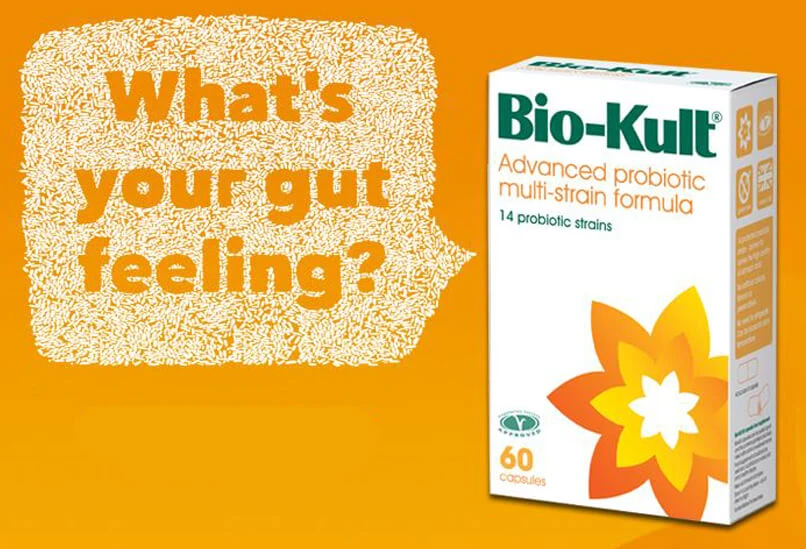
A probiotic, like Bio Kult MultiStrain, or Udo Super 8 probiotic, are often used. This syndrome can be complicated by an imbalance between the microorganisms that live in the gut. A course of Probiotics will balance the microorganisms in the gut and help normalize the symptoms.
For more severe cases, the probiotic Alforex can be used.
For those with persistent severe symptoms, Aloe vera preparations such as Colon Cleanse work excellently as a short course of four tablets a day or for long-term use at two to four tablets per day.
Leave a Comment