
Top Questions on Vitamin D


Image by Fleur Khan
What is Vitamin D?
It is called the Sunshine Hormone or more scientifically known as calciferol.
It is an unusual vitamin for two reasons. Firstly it is made by mainly your skin via sunlight, and secondly, it is a hormone.
When you do not make enough Vit D via sunlight, you can take additional amounts by diet or supplements. At least 25% of people in the western world are deficient in Vitamin D. Most health organisations now recommend that we take a supplement of it.
Who is likely to be Vitamin D Deficient?
Your risk of deficiency increases with the colour of your skin, obesity, particular illness, diet and location you live.
- The darker your skin, the more melalin you produce and the more protected from UV rays the skin is. However, this also means you make less Vit D and are more likely to be deficient in it.
- People over the age of 50 years of age do not produce it in adequate amounts. The older you are, the less VitD you produce and the more likely you lack this nutrient.
- Those that use SPF do not get the UV rays to make enough Vit D and are at risk of deficiency of this nutrient.
- People with gut disorders don't absorb it from diet
- People who are obese are deficient in Vitamin D as it gets stuck in their fat cells and can't be released quickly enough when needed
- If you live in a place with little sunshine, you are more likely to have a Vit D deficiency. The same is true for people who do not go outdoors much.
- While your body technically can produce all the VitD3 you require through sunlight, most people needed some nutrient intake from their diet.
Can you take too much Vitamin D?
Vitamin D is the only one of the essential 13 vitamins which the body can make. This nutrient is stored in the fat of your body and released as needed. Excessive amounts can lead to toxicity. The body doesn't store water-soluble vitamins, so you must take them consistently.
What food has Vitamin D?
- Oily fish such as mackerel, sardines and salmon
- Red meat and liver
- Egg yokes
- Fortified foods such as cereals.
- Mushrooms
- Small amounts are also in dairy
D2 (from plants) is what is in fortified foods. Vit D3 comes from foods like meat, fish and eggs. Supplements may contain either type, but Vit D3 is much more popular.
Are there different types of Vitamin D?
It is worth mentioning that there are two types of Vit D - D2 (ergocalciferol) and D3 (cholecalciferol). D3 is the type made by your body from sunlight, but you can also get it from your diet.
The kidneys process both D2 & D3 to form the active Vit D. Newer research suggests that both are equally effective.
How much Vitamin D per day?
As you age (and produce less Vitamin D from sunlight), you need to increase your intake of it from your diet. Most health professionals recommend between 600 to 800 IU per day. But when asking yourself how much Vit D3 to take per day, you should consider having a blood test to check for deficiency.
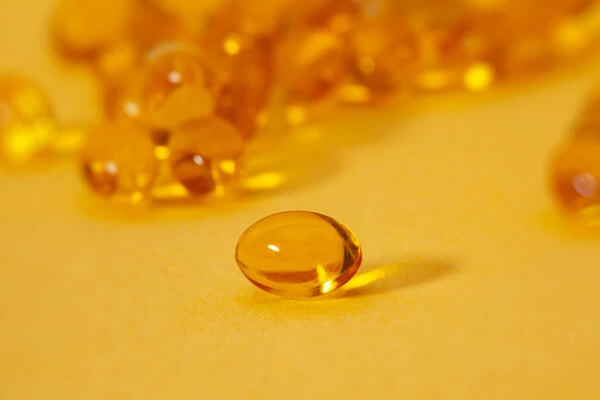
Image by Michele Blackwell
What does Vitamin D do?
Its main job is to control the amount of Calcium is in your blood:
- It increases the body's Calcium absorption from the diet and
- It pushes Calcium from the blood into the bone when calcium levels get too high.
Why is Calcium so Important?
Calcium is an essential nutrient, and the body keeps its blood levels of it within a very tight range.
Calcium has several important roles including:
- It builds strong bones.
- It helps nerve transmission. Without it, you would not be able to think, use reflexes etc.
- It makes muscles contract (including blood vessels and your heart). Without it, you would not be able to breathe, digest food, move etc.
- It activates chemicals to cause blood clotting. Without Calcium, these blood-clotting chemicals would not be able to make clots.
Calcium is the most abundant mineral in the body, and 99% of it is stored in your bones.
How do Calcium & Vitamin D Work Together?
This pair of nutrients have an odd little relationship. One is a vitamin (or hormone), and the other is a mineral. They are two of the most critical and widespread nutrients used by the body. The third chemical in their relationship is called PTH or Parathyroid Hormone.
To understand this threesome, we need to get that:
- Bone is a living tissue. It is constantly being made and reabsorbed by the body.
- Calcium moves between the bones and the blood as the body needs it.
- Calcium in the blood acts as a potent vasoconstrictor (tightens blood vessels and increases blood pressure). When it's in the bone it does not cause vasoconstriction.
- The same Calcium is not sitting quietly in your bones for the whole of your life. You absorb Calcium. It enters your blood and then rests in your bones. When needed (for Blood pressure management), it is pulled out of the bone and goes into the bloodstream. After going into the blood it is excreted in the urine. Calcium comes from your diet, is stored in bones and leaves your body in the urine.
Vitamin D effect on Calcium:
Vitamin D increases your absorption of Calcium from the diet, and so increases blood levels of Calcium. This tightens blood vessels.
It encourages the bones to take Calcium from your blood into the bone (and store it in an inactive state) and so decreases blood calcium levels. This relaxes blood vessels.
By pushing excess Calcium into the bones Vit D has a secondary impact to make bones strong.
PTH effect on Calcium
PTH works against Vit D as its role is to make sure blood calcium levels are high enough. When calcium blood levels drop, PTH triggers the kidneys not to excrete it and increases the calcium reabsorption rate into the blood.
Essentially the body understands that it is more critical in the short term to protect your nervous and blood system than your bones. Problems occur when long term levels of Calcium (and Vitamin D) are low and the body keeps using this nutrient to maintain blood pressure at the expense of the bones. Long term deficiency can lead to thinning of bones.

Image by Caroline Attwood
What is Vitamin D good for?
- It is essential for building strong bones and teeth
- It regulates Calcium, which in turn has an impact on cardiac health and blood pressure management.
- Vit D is necessary for a robust immune system and to protect against autoimmune illness and allergies
- Vitamin D has an anti-inflammatory action.
- It controls insulin levels and helps in the direction of diabetes
- It protects against certain cancers by affecting how specific genes express themselves.
How Does Vitamin D affect the immune system?
Vitamin D receptors are in many cells, including bone marrow, brain, colon, breast and malignant cells and immune cells. Vit D receptors are on the B Cells, T Cells and antigen-presenting cells (i.e. immune cells). Vit D is now known to trigger immune responses.
Studies show that deficiency of this nutrient is linked to both:
- Autoimmune diseases (where the body's immune system overreacts and turns on the body)
- Poor immunity and increased infections.
These findings strongly suggest that people with autoimmune illnesses will benefit from taking a Vitamin D supplement.

Does Vitamin D Help with inflammation?
Vitamin D has an anti-inflammatory action. This is because:
- It slows the development of both B cells and T cells.
- It also reduces these cells secretion of immunoglobulin. This reduced immunoglobulin, in turn, reduces the body's production of cytokines (which are potent inflammation chemicals).
- Vitamin D also influences monocytes and dendritic cells and, in particular, stops dendritic cells from maturing. This reduction in mature DCs reduces autoimmune responses.
In many autoimmune illnesses, immune cells (T Cells, B Cells, Monocytes and Dendritic cells) behaviour is strongly affected by Vit D supplementation.
Conditions that benefit from Vit D include Lupus, Multiple Sclerosis (MS) & Type 1 diabetes.
Immune cells not only respond to VitD, but they also can produce it. The relationship between a healthy immune system and vitamin D is complex but well established.
Does Vitamin D strengthen the lungs?
Because of its effect on both the immune system and the inflammation process, Vitamin D lessens the progression of COPD and quickens recovery from a COPD attack.
More research is needed to establish that Vit D deficiency causes asthma, but it seems likely to impact. Vit D3 impact on T cells (which regulate autoimmunity) seems to be particularly important with Asthma
The anti-inflammatory effect of Vit D3 helps strengthen and protect the lungs in chronic diseases and even increase lung function.
Summary
Vitamin D deficiency is very common. Taking a supplement is now recommended by most health professionals.
A lack of Vitamin D can lead to blood pressure issues, bone thinning and a poor immune system.
Taking a supplement can be of use with COPD, Asthma, MS, Diabetes, Blood pressure, Heart disease, Osteoporosis, Arthritis and Lupus.

Ann O’Flynn B.Pharm, MA, BSc, MPSI
Ann is the owner of dPharmacy and has a particular interest in Health foods and supplements. Ann is a Tutor pharmacist and has gained numerous qualifications in alternative therapies - which she uses alongside her extensive clinical training. If you have any queries on medicines or health foods please reach out to us by email, text or phone.
 Chat online >>
 Call us on >>
 Email us at [email protected] >>
Disclaimer
Please be aware that the information on our site is for information only. While we hope you find it helpful, it is not our intention for our articles to be used as a basis for diagnosis or treatment. If you suspect you may have a health issue or wish to start taking any medicine, please consult your pharmacist, doctor or contact us directly. You can get in touch with us by phone, email, online chat or text. We would be delighted to run through any concerns you may have. Our goal is to deliver health directly to you - pleasantly and effectively. However, dPharmacy will not accept responsibility for any side effects or health damages from the use of medicines offered on this site.