
Colds and Flu - Everything You Need to Know
What is the common cold?
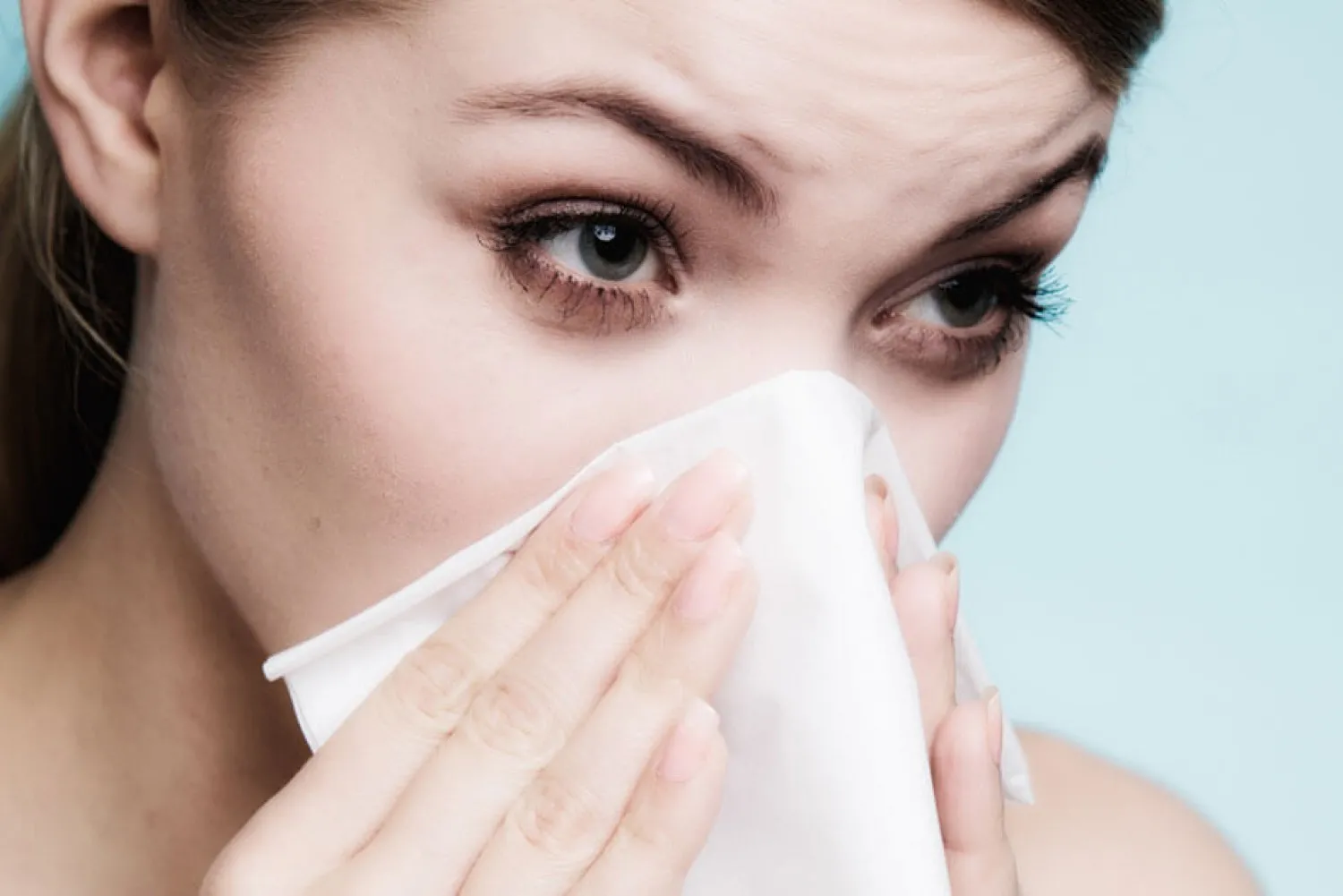
The common cold is caused by a viral infection and is transmitted as the virus coming into contact with your hands & touching your nose, mouth, and eyes.
It can also be contracted by inhaling airborne viruses that are released by sneezing and coughing.
Sinus pain can be a common symptom of a cold. It is caused by inflammation of the nasal passages. This inflammation is part of the immune response to a pathogen. The body spots a foreign body. It increases the blood flow to the area to bring white blood cells to fight the infection, resulting in a swelling or inflammation of the tissue.
Bending down, moving eyes from side to side, coughing, or sneezing often exacerbates sinus pain.
Colds and flu can often become complicated by a bacterial infection, and if self-medication fails, then referral to your pharmacist is needed for appropriate therapy.
What is the flu?
The flu is very different from a cold. A cold slow you down the flu knocks you out.
We can go about the place with the common cold, but with the Flu, you can't get out of bed. It is exhausting, life-threatening, and the tiredness can last for months after it.
Flu is particularly serious in those that are ill, old, young, or frail. If you are unsure if you have a cold or flu, it is helpful to remember that the ‘flu season tends to be between December and March, whereas the common cold can strike at any time.
What to do when you get a cold?
Rest as much as possible. There is no need to take off work, but take it easy and rest when you are at home.
If “The Cold” is in the house, wash your hands excessively. Use hand sanitizer and try to stay separate from other members of your home.
The common cold is passed from hand to mouth, and clean hands won't pass it about. Take in plenty of fluids to flush it through you, keep you hydrated, and keep the fever at bay.
Be careful with some cough remedies - some decongestants can keep you awake (so don't take at bedtime), some antihistamines and cough medicines can cause drowsiness (so don't take before you go out driving or operating machinery), nasal decongestant sprays should only be used for seven days (as they may cause rebound decongestant on long term use) and if you are using more than one cold remedy double check that you are doubling up on paracetamol or pseudoephedrine (as they are in multiple cold remedies).
Is there anything I can use for a child's cold
Yes is the short answer. For young children and babies (under two), the natural cough mixture Sootha gives relief.
Calpol and Nurofen liquid (used together) will reduce the temperature.
Snuffle Babe rubbed on the chest or put on the bedding will clear and blocked head and ease a chest.
Saline drops such as Calpol nasal drops will unblock a blocked nose. For children who get recurrent colds (as they will because they are hygiene dodgers with poor immune systems), Sambucol is a herbal liquid that builds immunity and is very effective in stopping the reoccurrence of cough colds.
A good course of probiotics will help build the immune system, as will using VitaminD and Vitamin C supplements. We have several blogs on Vitamins and COVID, and much of the information in these blogs is transferrable to dealing with the common cold and flu.
For older children from 2 to 6 years of age, Exputex can be used for a chesty cough, Zirtek liquid can be used for a sneezy or runny nose, saline drops can be used to clear out a blocked nose, and Calpol and/or Nurofen liquid will reduce aches and temperature.
Temperature in children
A child's normal temperature is 37.5'C. This is the core or (internal temperature). On the outside, the child may seem to vary from hot to cold, but their inside temperature (which is controlled by the brain) is usually the same.
If the child gets an infection, the brain heats up the body to "boil and bake" the bug, and the body becomes feverish and hot. This fever makes the child very uncomfortable, and using Calpol or Nurofen to reduce it will make the child a lot better.
Extra fluids will also help reduce temperature and flush the bug out of the body. The body can still fight infection when the temperature is reduced.
Keeping your child cool, in comfortable clothes, letting them have plenty of rest, and complete control over the remote control will also work to control discomfort.
When do I need to get help with a temperature?
Sometimes a temperature can be uncontrollable or be part of a serious illness. In this case, you need to contact your doctor or pharmacist. You can chat online with one of our pharmacists immediately if you have any concerns. Essentially you should get advice if temperature occurs with a rash, a headache, a stiff neck, any difficulty in breathing, if your child is very sleepy, seems unusually unwell, and/or won't take fluids for you.
The general rule is if you are unsure, get help.