How to Tell your skin type
Just as no two fingerprints are the same, no two faces or skin are the same.
And we know your skin will change, as it is affected by genetics, age, hormones, weather, and lifestyle. So, the way you care for your skin will need to change in different stages of your life.
Debunking the Myth: Four Generic Skin Types?
It’s common in skincare to hear four generic skin types referred to. Actually, our skin is a complex organ, so it is entirely possible, reading this description you may identify with all four types - either at different times in your monthly cycle, or in different areas of your face and neck.
The four types are often classified as:
1. Dry Skin
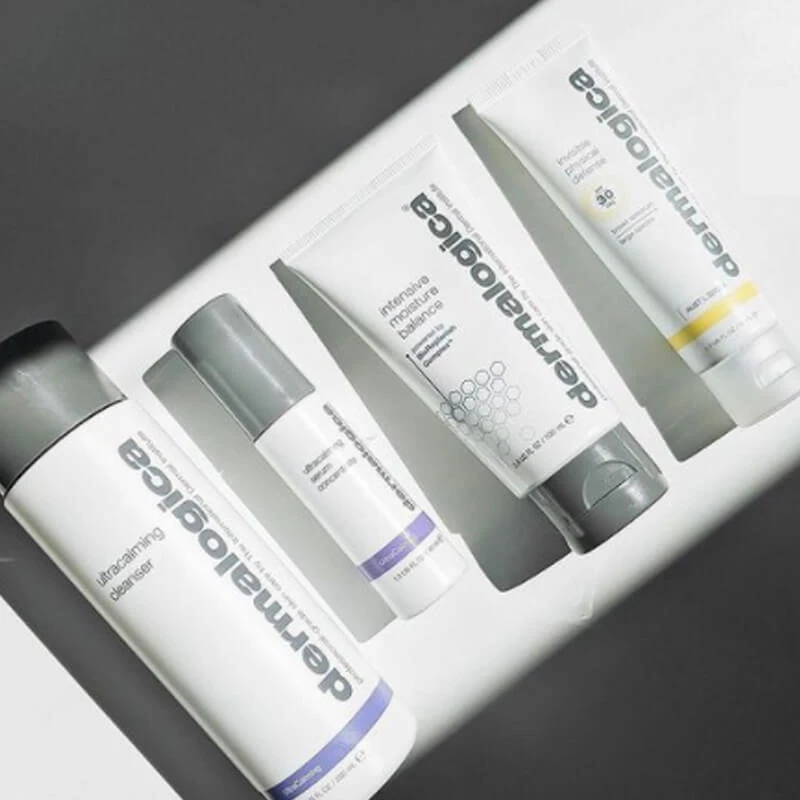
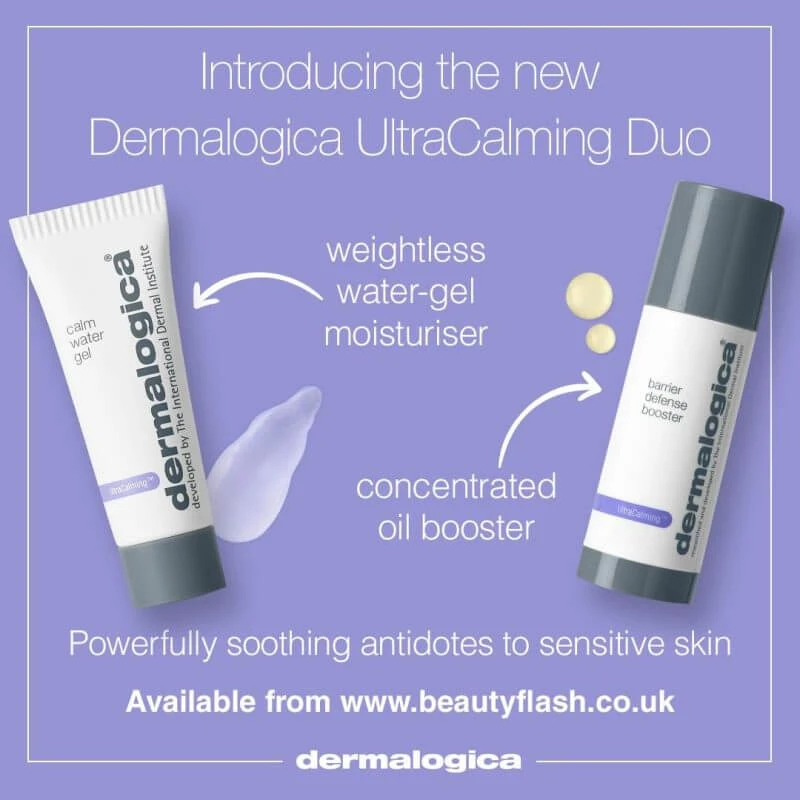
When your skin flakes a little bit, that’s a sign of dryness. It’s important not to confuse dry skin with dehydrated skin (yes, there’s a difference!). Dry skin lacks oil so it may feel dry or rough to the touch, can be itchy or prone to irritation and may look dull. With dry skin, it can also age the skin quicker, as the facial features can lack fullness as a result. One of the best skincare products to help with dry skin are Ultracalming calm water gel and Intensive Moisture Balance Moisturiser.
2. Dehydrated skin
Often confused for dry skin, dehydrated skin lacks water. This is where water is being lost more quickly from your skin. This again affects the upper layer of skin. The skin may feel tight, become dull or lined, and you may get a build-up of dead skin cells. Dehydrated skin may feel ‘thirsty, absorbing products into the skin quickly. With dehydrated skin, it is important to use a gentle exfoliator on a regular basis, Dermalogica Micrfoliant or Image Iluma Brightening Exfoliating powder, are both gentle enough to be used daily, alongside a Vitamin C serum Like Vital C serum or Dermalogica Biolum Serum, locked in with a Hydrating moisturizer.
3. Oily Skin
If dry skin lacks oil, oily skin quite simply is producing excess oil that sits on the surface of the skin. The skin is covered in tiny sebaceous glands, regulated by testosterone, that produces an oily substance that lubricates and waterproofs the skin. It’s important to address oily skin as excess oil on the skin does lead to breakouts and impurities. If oily skin is your main skin concern, it's recommend that you use a gentle exfoliation such as the Image Clear Cell Clarifying Scrub to help clear away excess oil and clear the pores followed by a mattifying moisturizer such as the Clear Cell Mattifying Moisturiser or La Roche Posay Efficlar Moisturiser. With Efficlar moisturizer, there are a few different versions to choose from, so there is one to suit different types and variations of oily skin.
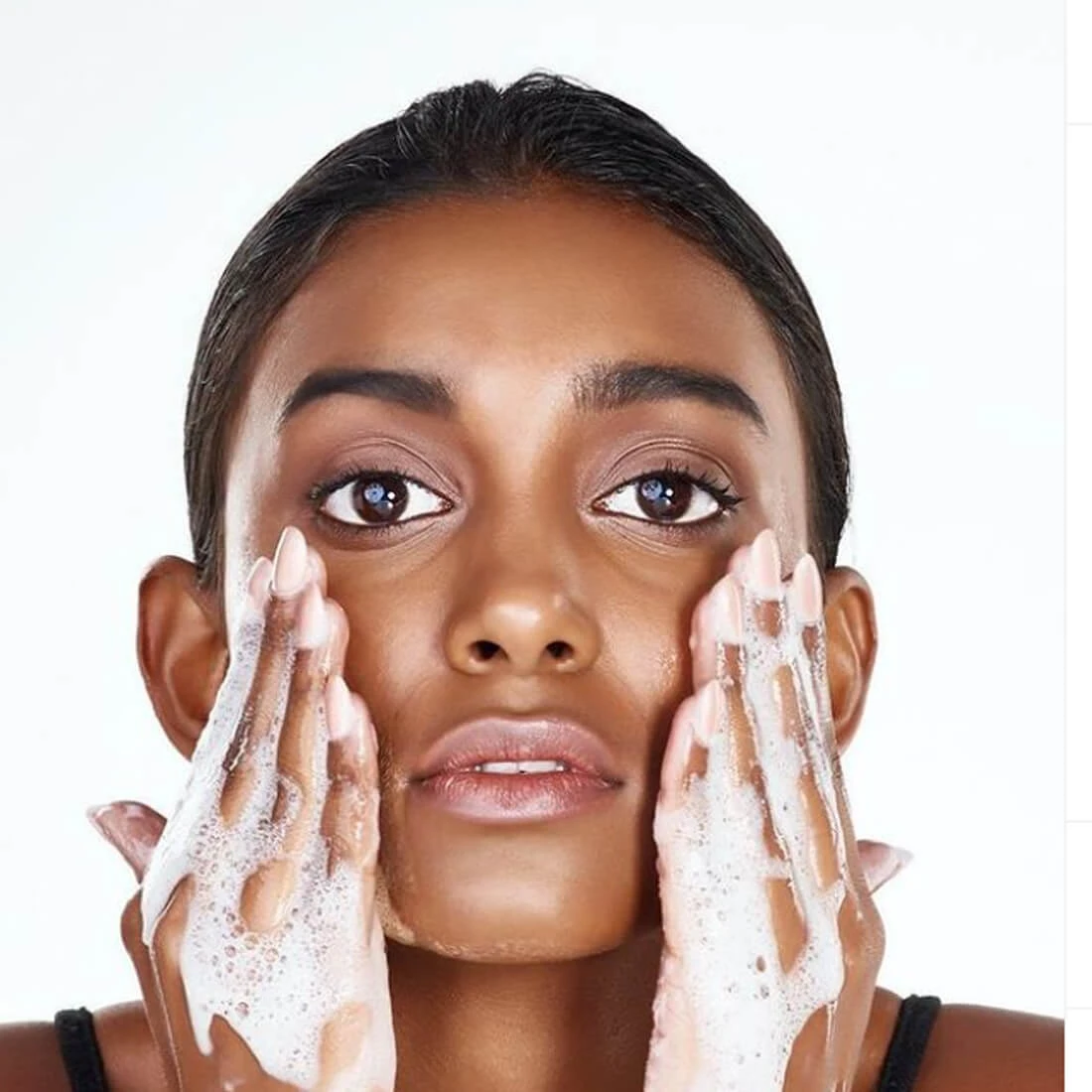
4. Sensitive Skin
Skin that is prone to reaction from environmental factors, hormones, and skincare products can be called sensitive skin. There may be redness, or the skin may be hot to the touch, sometimes there may be breakouts, blotchiness, itchiness and pain. Sensitive skin is caused by nerve endings in the top layer of your skin being irritated and reacting to this irritation. Our skin barrier, the epidermis, which is designed to keep irritants out, may become damaged through environmental or hormonal influences, which will lead to our skin being more sensitive. If sensitive skin is your main concern Dermalogica Barrier repair can be used as a treatment to moisturizer depends on the severity of your sensitivity, also Ultracalming Cleanser. these would be the two most popular products for anyone who has sensitve skin, as they help create and maintain a barrier on the skin.
So how do we determine our skin type, without paying to see a beauty therapist? We’d like to introduce to our skin analysis tool courtesy of Dermalogica.
What is Dermalogica Face Mapping?
Face Mapping, Dermalogica’s unique skin analysis tool that provides an insight into your skin’s past and present and allows the subsequent prescription of a targeted home care regime for a healthy skin future. In a five to ten-minute free analysis, our Dermalogica Skin Expert will analyze your skin.
Our beauty therapist will split the skin into 14 sections, all skin is different even the skin in the 14 sections can differ. This splitting system gives our therapist the perfect view of your face and décolletage. Once the skin is sectioned our therapist will then look at the different areas of the skin individually and give you an analysis of the condition of your skin. If you have any skin concerns, she can look at those, see where it may have come from, how to treat them and the best skincare regime possible after that.
Face mapping also includes a list of lifestyle questions to help the therapist determine the best skin care for your unique skin. The results may mean you need to focus on different treatments for different areas of your face. Our Dermalogica Skin Expert will be able to advise you on the right products for your unique skin makeup, rather than one of four generic skin types.
We offer complimentary Dermalogica skin mapping with both of our qualified Dermalogica skin experts. To book your complimentary skin mapping call us on 0416857668 or pop in and we will book you an appointment at a time that suits you.