
Vitamin A, Retinol and Your Skin
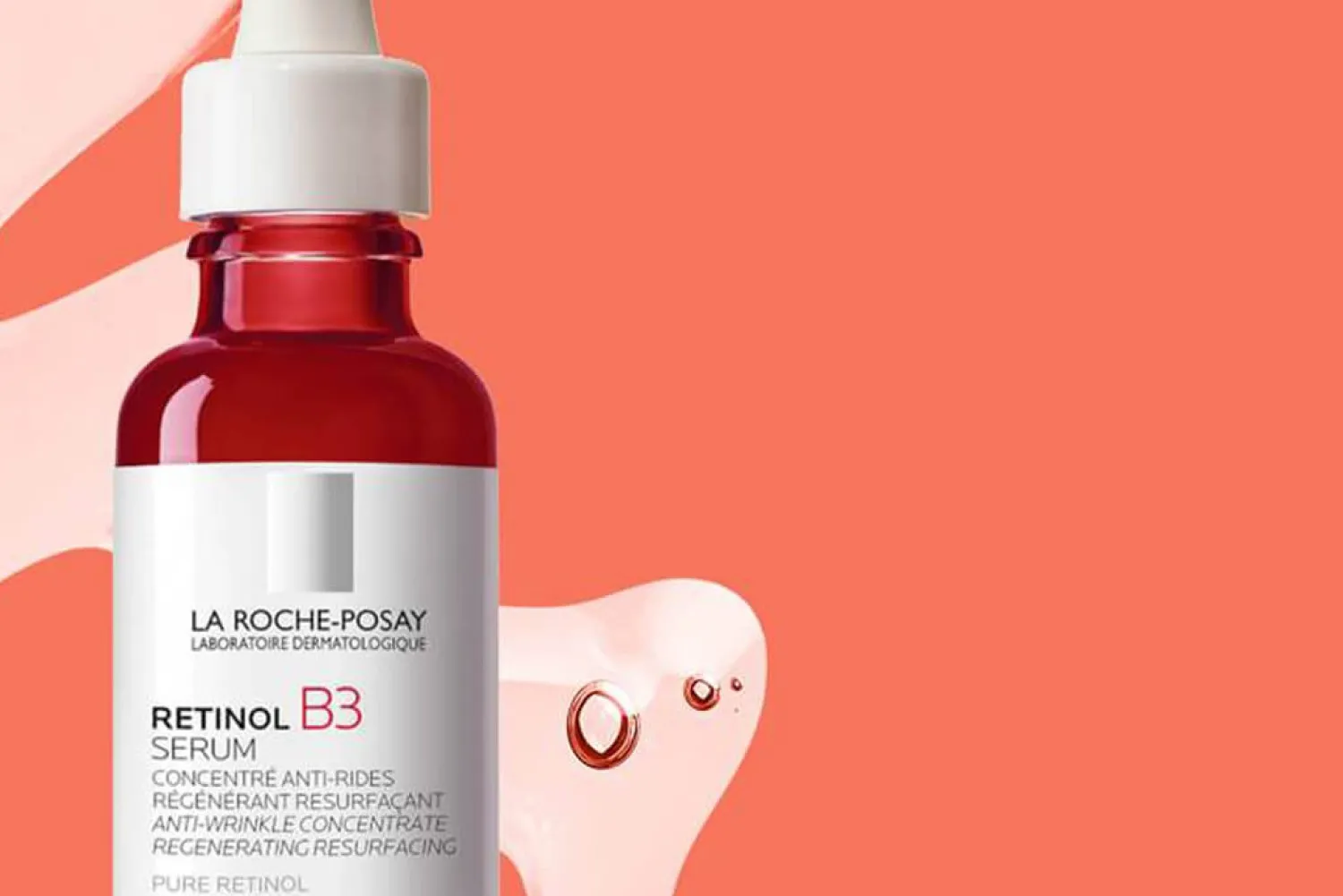

Good nutrition is essential for skin health. Eating a varied diet full of the body's required amino acids, and nutrients will give great looking akin. Not only will a healthy diet help your skin glow, but it is also of benefit in the treatment of skin conditions such as psoriasis, acne, and even ageing.
While all nutrition play a role in optimum skin health, we will look at Vitamin A's effect on the skin.
Definition of Vitamin A
There are two types of Vit A found in food. Retinol comes from animal sources, while carotenes are from plant sources.
It is needed for skin health, eyesight, DNA production (i.e., cell division), and immunity.
Types of Vitamin A
Once eaten, it is changed by the body into its active forms. Because of this, the nutrient we eat is called a provitamin rather than a vitamin. Once metabolized, it exists in the body in one of its three forms – retinal, retinol, and retinoic acid.
Retinal is required for eyesight, while retinoic acid is essential for cell division, bone formation, and the regulation of your skin. Only Retinol and retinal can be stored in the body.
Because they are fat-soluble compounds, excessive intake of Vit A can lead to toxicity. This fat-soluble nutrient toxicity issue also occurs with Vitamin D. Build-up of Vitamin E & K (also fat-soluble) are thought to be less toxic.
Zinc influences the metabolism of Vit A (i.e., its absorption, utilization & transport).
Therefore adequate Zinc is required in your diet to get the benefits of Vit A.
Sources
It is widely available in diet from both animal and plant sources. A Lack of it is rare in western diets. The current thinking is that supplements for this nutrient are unnecessary.
Sources of Retinol includes
- Beef and liver
- Fish and cod liver oil
- Shellfish and shrimp
- Dairy products
- Eggs
Sources of Carotenoids
These come from plant sources such as leafy green vegetables, sweet potatoes, tomatoes, carrots, and fruits.
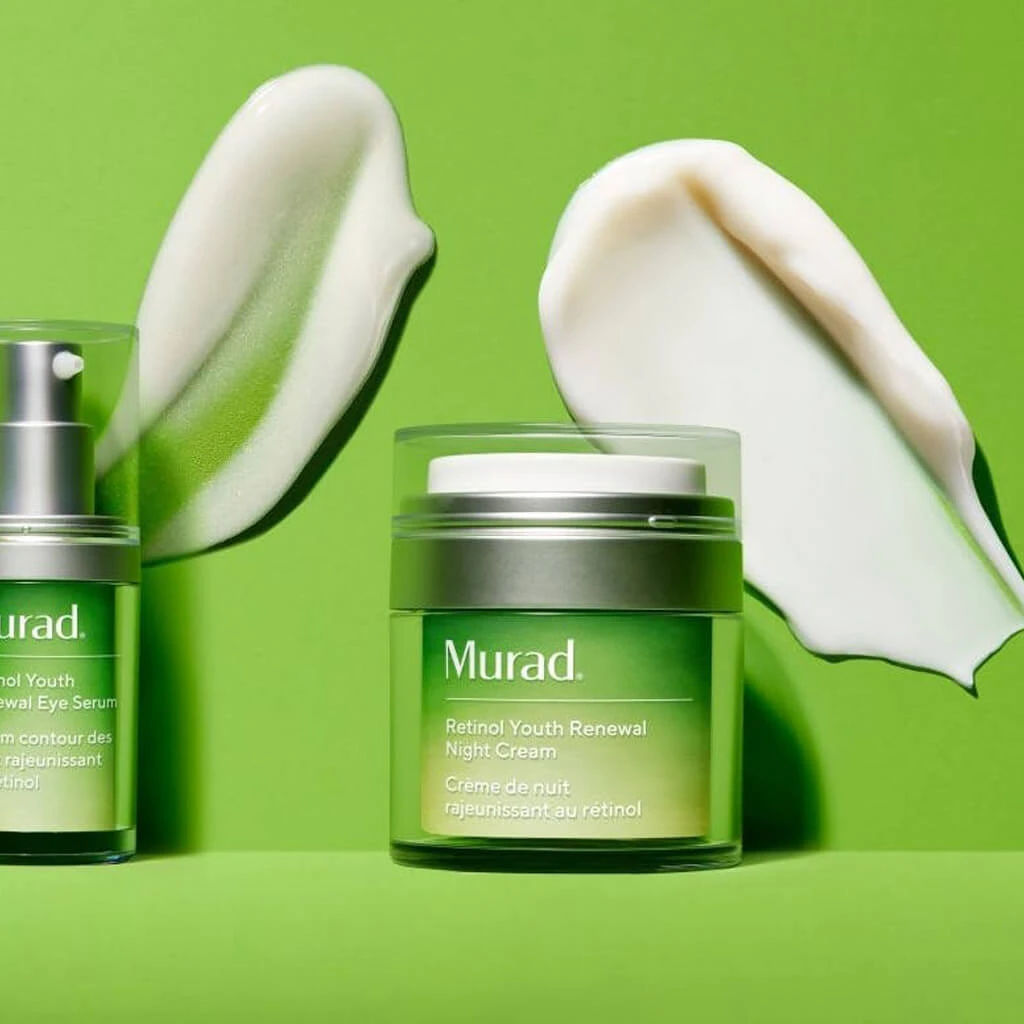
How Vitamin A affects your Skin
It stimulates new skin cell production. With inadequate levels, your skin becomes dry. Ironically, using excessive amounts topically can also lead to drying of the skin.
Many studies have been carried out on the use of this ingredient and the treatment of skin conditions. Research has also looked at its use as an antiaging supplement. It is now generally recommended to use it for the treatment of acne & anti-ageing.
It has also been shown to be involved in stimulating collagen production within the skin and can be applied directly to the skin to reduce the appearance of wrinkles.
Topical use of retinoids.
Including this ingredient in cosmeceutical skincare products is very common nowadays. Many serums, moisture creams, etc., contain tiis ingredient
They are useful for the treatment of acne as either a prescription or an over-the-counter cream. Retinoids have both an exfoliation and an anti-inflammatory effect, helping reduce acne swelling and minimize blocked pores.
As an antiaging product, it is a highly effective ingredient. Retinoids, when used topically, stimulate collagen production and reduce the appearance of wrinkles. They also even out skin tone and can be of some use with uneven pigmentation of the skin.
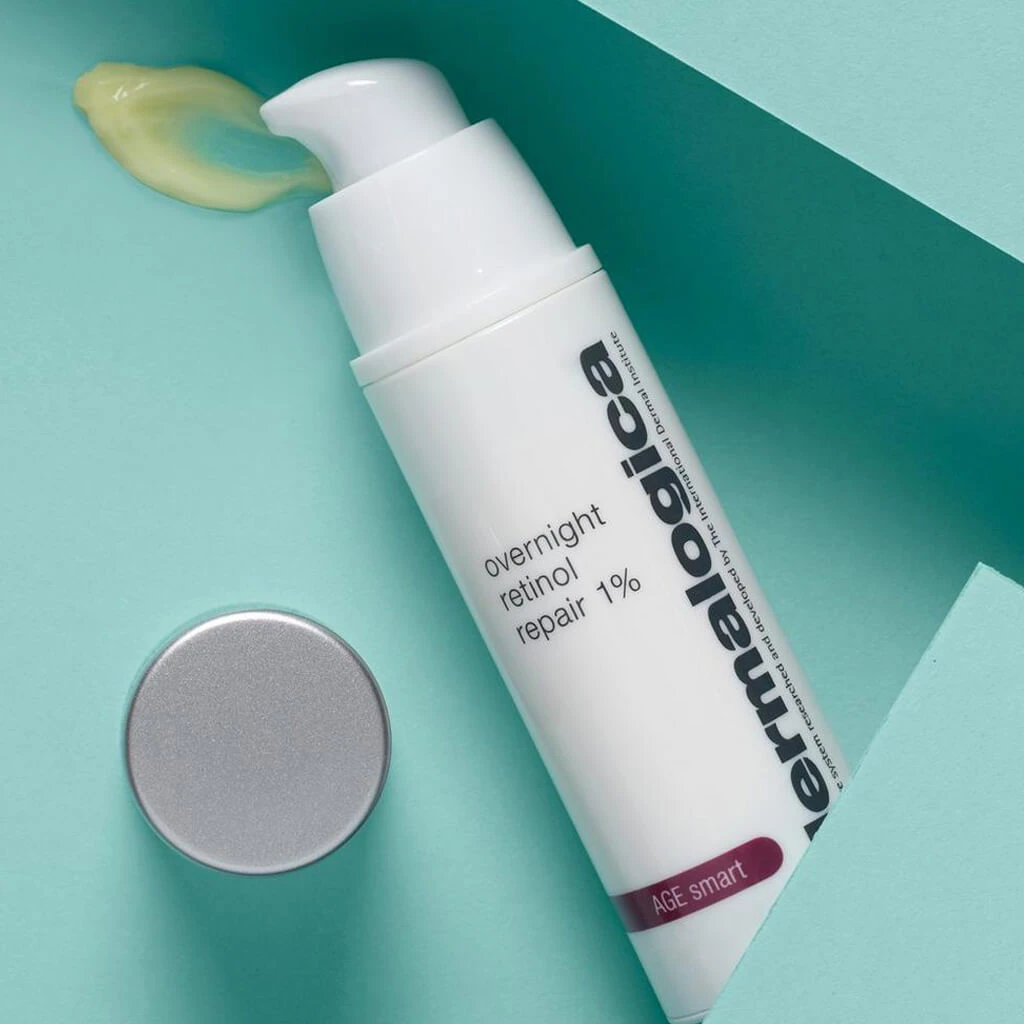
Vitamin A toxicity
You must be careful when you are either taking a Vit A supplement or when you are using it directly on your skin.
Side effects of taking excessive supplements include stomach upset, dizziness, headaches, and blurred vision. In severe overdose, it may lead to liver damage and even coma. Using too strong a concentration of it (or using it too often) can lead to skin irritation and dryness.
Drug Interactions.
It would be best to speak to your pharmacist when you are taking medication and wish to add a supplement to your health regime. Checking that a Vit A product is safe is particularly important if you take medication to treat lymphoma, psoriasis, or obesity. Some of the medicines used to treat these conditions may contain doses of Carotenoid or Retinol. Taking supplements alongside these medications could lead to overdose.
It is not to be taken or used when pregnant or trying to become pregnant.
Antiaging Skincare
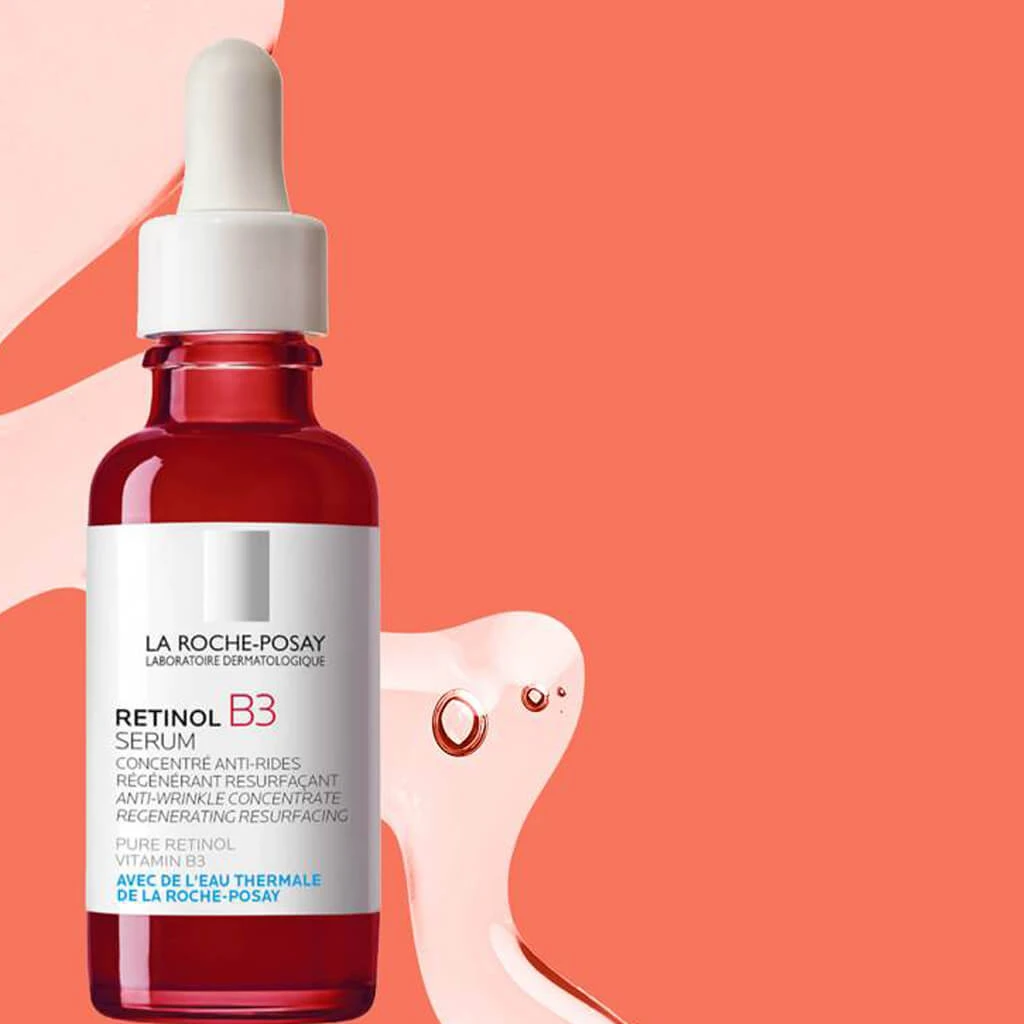
The sale of skincare products containing Retinol for both antiaging and acne is widespread. These products are available as prescription medicines or over-the-counter skincare. Prescription skincare or supplements tend to be stronger or more potent than those available to buy over-the-counter.
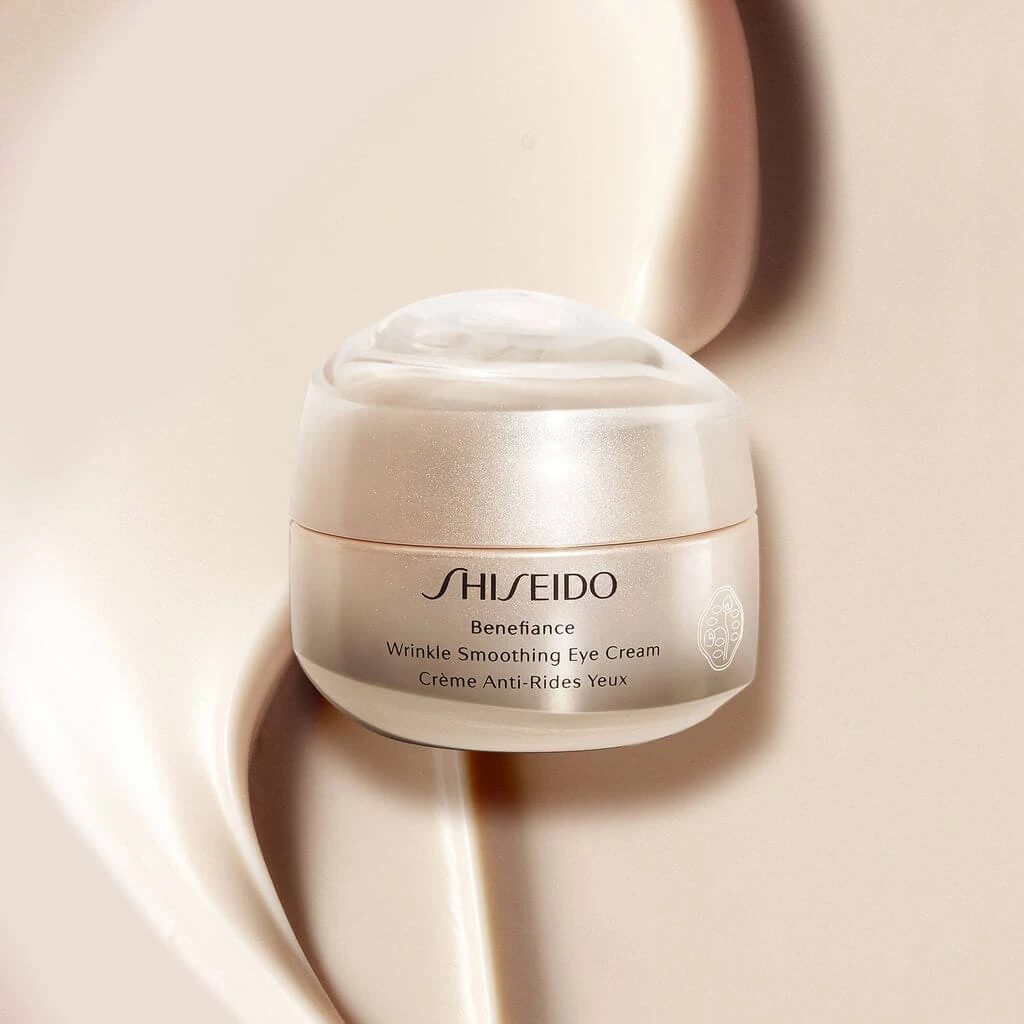
This active ingredient penetrates beneath the upper layer of the skin (called the epidermis) into your lower skin layers (i.e., dermis). Once in the dermis, it neutralizes ageing and damaging free radicals and increases collagen & elastin production.
Because it stimulates collagen production, it "Plumps the Skin" - this, in turn, smooths fine lines. This plumping effect also minimizes enlarged pores.
It has a secondary antiaging effect. It also exfoliates the Skin's outer layer, removing debris and dead cells and so adding a glow to your skin. Since the buildup of dead cells causes wrinkles to deepen, this ingredient also reduces the appearance of wrinkles by this mechanism.
Retinol Anti-Acne Treatment.
Treatments for acne and acne scarring contain it. It has both an anti-inflammatory and exfoliation mechanism of action.
By exfoliating the Skin, it unblocks pores and reduces the formation of spots and blackheads. Its anti-inflammatory effect reduces the swelling of blemishes.
As it exfoliates the skin, it can, in turn, have a drying effect. This “side effect” may be of benefit to acne sufferers. This drying effect controls excess sebum production from the Skin's pores. This drying effect is one reason why it is useful in the treatment of acne.
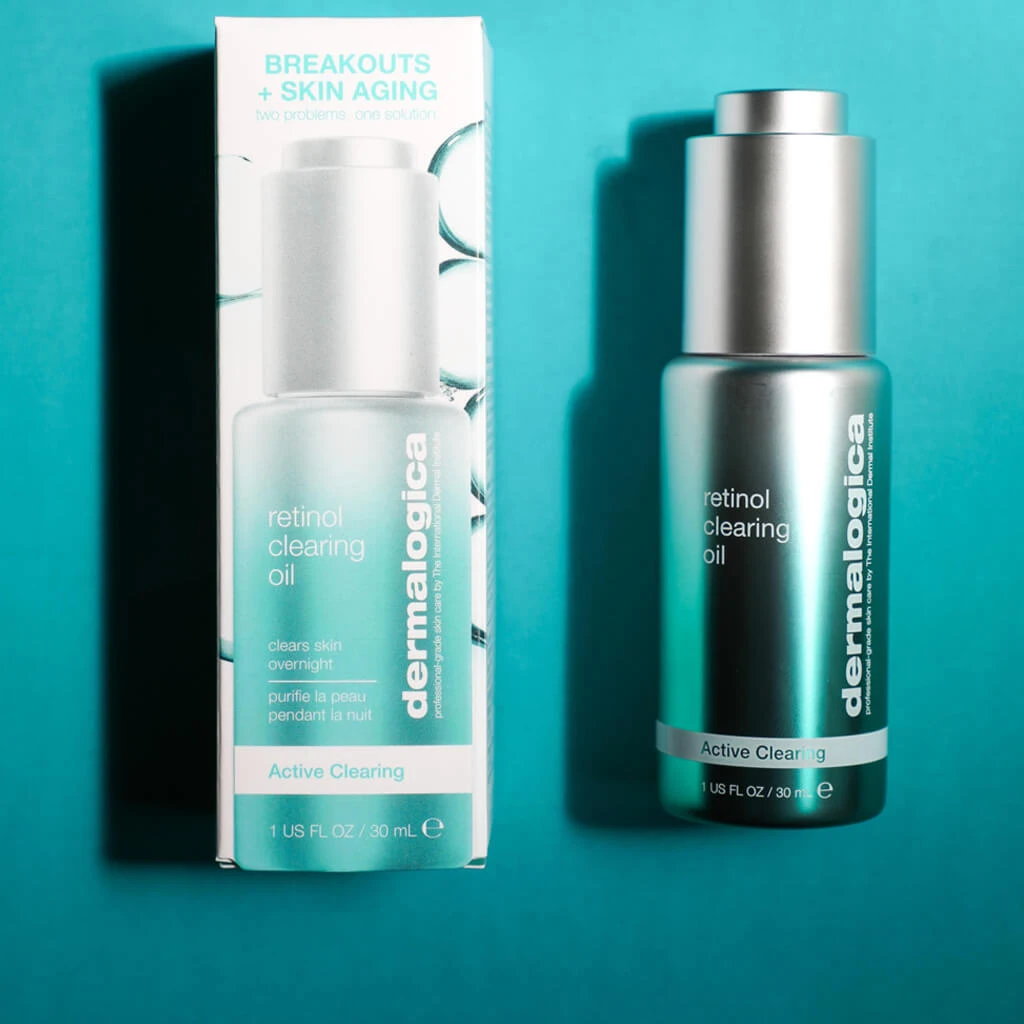
Uses of Retinol in skincare.
- To reduce the appearance of fine lines and wrinkles.
- To treat acne
- To reduce hyperpigmentation
- To even out skin texture and minimize large pores.
Side effects of Retinol
One of the first things people notice when they start using it is that the skin can become dry and even sore. It can lead to redness, peeling skin, and itch if used too often or in too high of concentrations initially.
As the skin adjusts to it in your skincare regime, the side effects subside. If you experience skin sensitizing when using it, give your skin a rest. After a few days, reintroduce it at a less frequent interval or in a lower concentration until your skin gets used to the effect of it. Essentially you can build up your skin's tolerance to this ingredient over a matter of weeks.
- Be careful to avoid sunlight when using this skincare. Sun exposure (and particularly sunburn) can sensitize the Skin and aggravate your Skin's reaction to it. Any good skincare regime will include an SPF product. When you use this ingredient, this is even more important.
- Pregnant women must not use Retinol. It is linked to both an increase in the risk of miscarriage and also to specific congenital disabilities.
- Do not use it if you have dehydrated skin or if you suffer from eczema.

Ann O’Flynn B.Pharm, MA, BSc, MPSI
Ann is the owner of dPharmacy and has a particular interest in Health foods and supplements. Ann is a Tutor pharmacist and has gained numerous qualifications in alternative therapies - which she uses alongside her extensive clinical training. If you have any queries on medicines or health foods please reach out to us by email, text or phone.
 Chat online >>
 Call us on >>
 Email us at [email protected] >>