Supplements for Insomnia


What is Stopping me from Sleeping?
There's no surprise that sleep and lifestyle are linked. If you live a relaxed, healthy life with plenty of exercises and little stress you would expect to be able to sleep with little problem.
Likewise, if you take a lot of caffeine and nicotine and are stressed to the limit you would understand why you are not sleeping so well.
Sleep disorders can be a sign that something is seriously wrong. Any prolonged period of insomnia needs to be checked out. Common illnesses that can cause disturbances in sleep are stress, anxiety, depression, sleep apnea, and certain CNS illnesses.
Lifestyle factors and sleep hygiene (your wind-down routine at night) will also affect how well you sleep.

Foods that will Improve your Quality of Sleep
Likewise, a diet lacking in some nutrients or excessive in certain food types can lead to poor sleep. Studies have shown that when a diet contains certain foods a person will find it easier to fall asleep and will stay asleep. These foods include:
- Lettuce
- Cherries
- Milk
- Almonds & Walnuts
- Jasmine Rice
- Hummus
- Banana
- Certain cheeses (and not late at night) and
- Honey
Complications of Insomnia
The effects of insomnia or poor sleep patterns are well documented. Insomnia can have the following effects on your body and mind:
- Poor sleep patterns can create psychological problems such as depression, anxiety, lower performance, and sluggish reactions
- Insomnia can reduce your immune system and leave you more prone to infections and illness
- Inability to sleep properly is a contributing factor to obesity.
- Disturbed sleep patterns can increase your risk of hypertension (high blood pressure) and heart disease
- Insomnia is linked to diabetes
What can I do to Sleep Better?
There are a number of things you can do to improve the quality and quantity of your sleep. Insomnia will be reduced by:
- Good sleep hygiene such as sleeping in a dark room and not watching TV or using computer screens before you go to sleep. Reading before going asleep generally relaxes the mind into a restful sleep.
- Meditation and learning relaxation techniques.
- Eating a nutrient-rich and healthy, varied diet of fresh foods especially those rich in vitamin B, zinc, and magnesium.
- Exercising often - about three times a week is what is recommended
- Reduce alcohol and caffeine. While alcohol will make you sleepy you are likely to have shorter sleep and wake up tired.
- Certain herbal remedies and vitamin supplements will help with insomnia.
Medicines that help you sleep
Valerien is a very potent herb that helps with insomnia and stress. It has an amazing relaxing ability and is nonaddictive. Unlike some prescription hypnotics, the body does not build a tolerance to this herb. Products containing this ingredient include Kams Night time, Rescue Remedy Night, and Irish Botanicals Valerien.
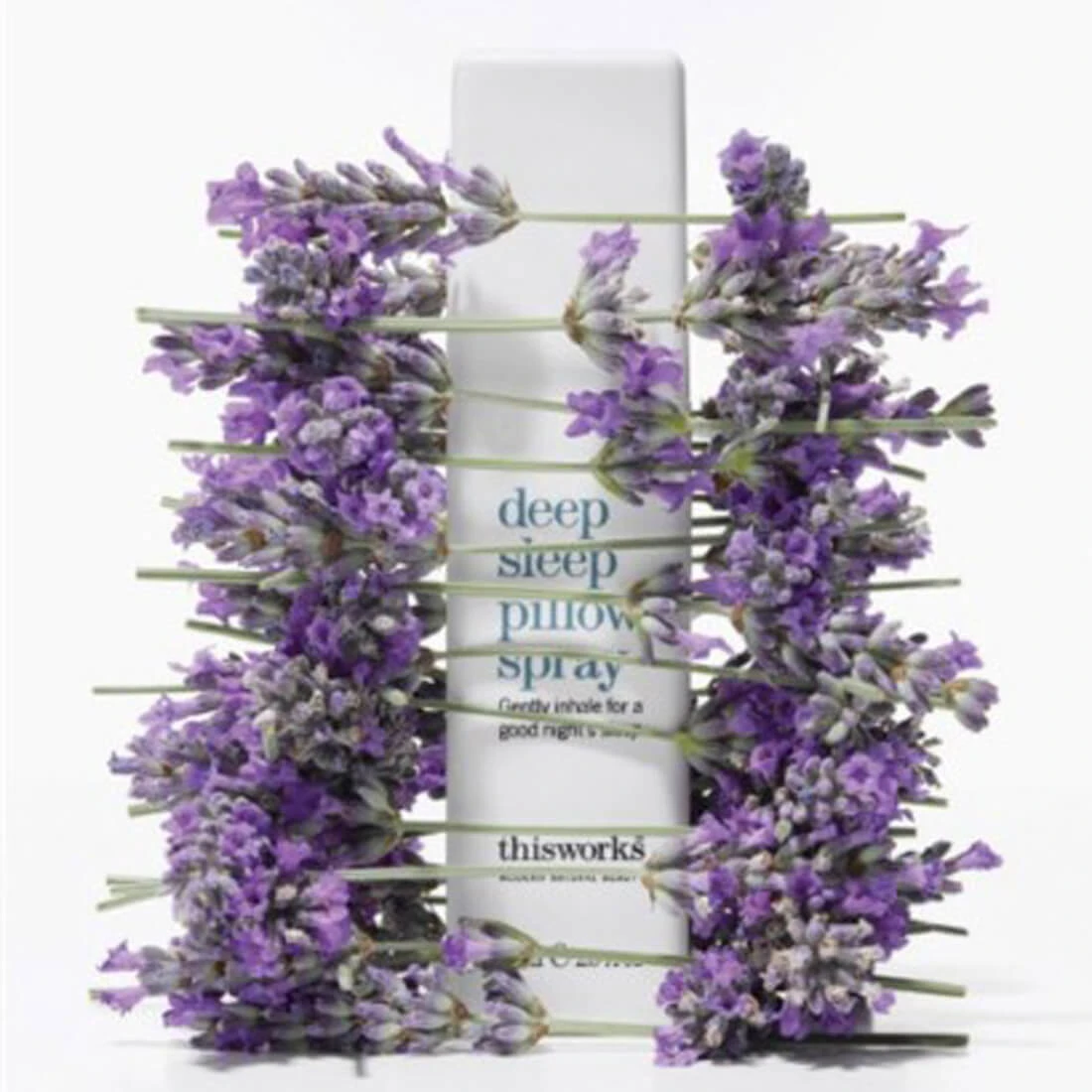
Pillow sleep sprays are considered to be revolutionary in the fight against insomnia. They are the top-selling herbal medicine. You simply spray your pillow as you go to bed and they release essential oils which help relax the body and mind. Their effectiveness has been tested with an over 90% success rate in both helping people go asleep and keeping people asleep. They are safe, nonaddictive, do not interact with other medicines, and safe to use in children.
Lavender oil in a burner or diffuser has been long shown to relax and send you to sleep.
Insomnia resulting from stress will be helped with vitamin B - a good Vitamin B Complex which includes most of the B vitamins will ironically it will also give you more energy during the day, reduce anxiety and allow you to deal with stress better.
People suffering from insomnia have been shown to benefit from Zinc and magnesium in their diet. This is ideally taken through eating a varied and fresh diet but a deficiency can be dealt with by taking a Zinc and Magnesium supplement.
Other Blogs
You may enjoy some of our other blogs such as
How to get a good nights sleep
Effects of Stress