
Essential Oils Explained
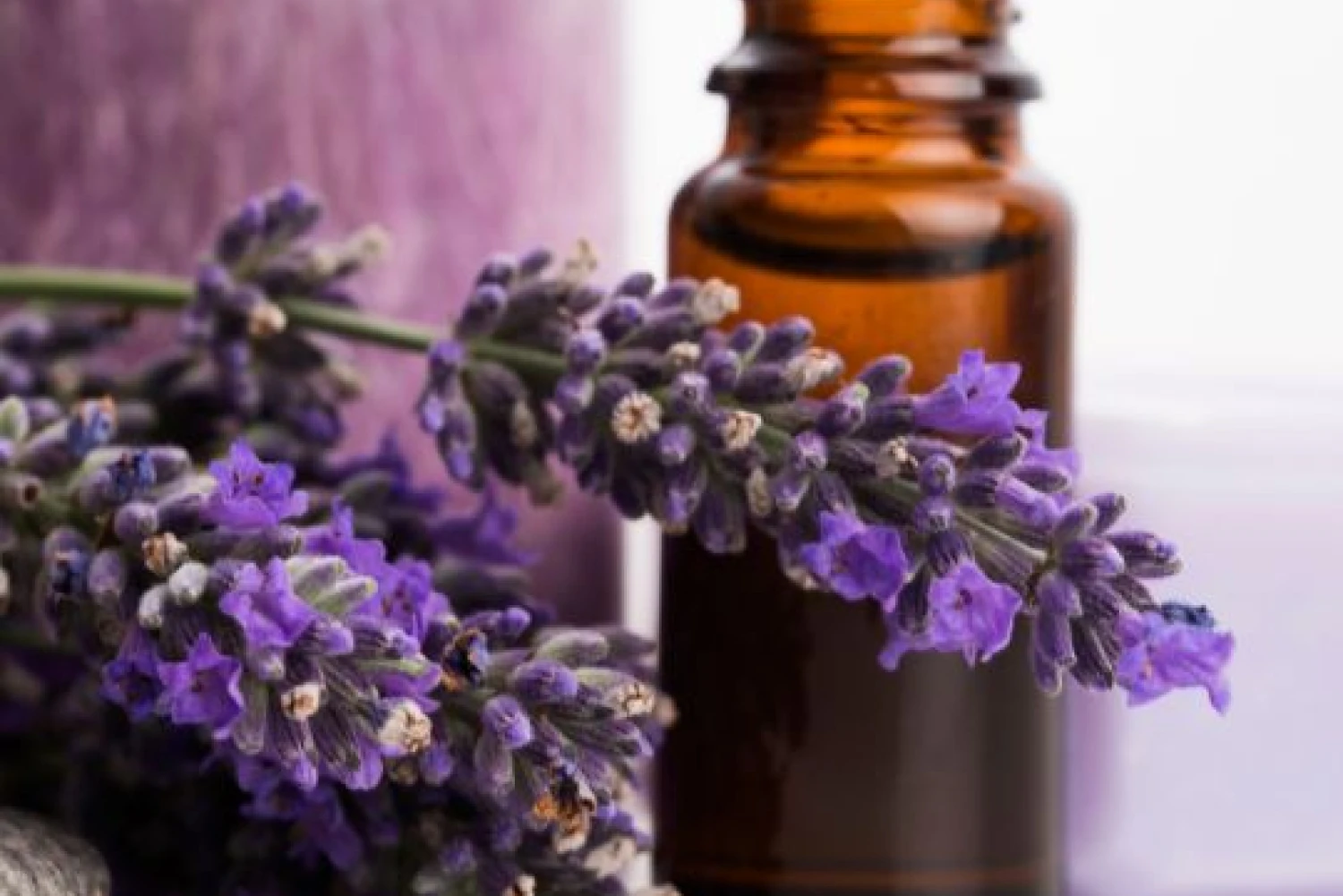

If you work in a pharmacy long enough, you start to notice patterns in the questions people ask. With essential oils, it is often some version of: “Do these actually do anything?”
Aromatherapy sits in an interesting space between traditional medicine and modern science. They are not medicines in the conventional sense, but they do work. Used well, they can support wellbeing, but used poorly, they can disappoint or cause unnecessary problems. In this post iIwill (try to) explain what essential oils are, how they work, why blends are often more useful than single oils, and how to use them safely and realistically.
What Essential Oils Are
They are concentrated aromatic compounds extracted from plants. They are usually made by steam distillation, but in some cases can be made by cold pressing or solvent extraction (creating a more concentrated absolute oil). What matters from a practical point of view is this: essential oils are not the plant itself, and they are not the same as herbal teas or tinctures. They are concentrated mixtures of volatile molecules that evaporate easily and are readily detected by the nose. Because they are so strong, small amounts go a long way.
.webp)
How Essential Oils Work
When you inhale them, scent molecules travel through the nose to the olfactory receptors. These receptors send signals directly to the limbic system in the brain. This is the area involved in emotion, memory, stress response, and autonomic nervous system regulation. This pathway is fast and direct. It does not need digestion or absorption into the bloodstream like oral medicines do. This is why scent can influence mood, alertness, relaxation, or emotions within moments.
Research in neurobiology and psychophysiology has shown that olfactory stimulation can influence heart rate, stress hormone release, and nervous system activity. Bodies such as the British Pharmacopoeia, the European Medicines Agency, and the World Health Organisation recognise the use of aromatherapy for wellbeing. Essential oils are often used for symptoms such as stress, sleep difficulties, tension, or emotional imbalance.
Essential Oils: Subtle but Strong
One of the reasons people dismiss aromatherapy is that its effects are not dramatic. These oils do not numb pain or force sleep. Instead, they influence the background state of the nervous system. From a pharmacy point of view, this is actually a strength. Many chronic symptoms are driven by persistent stress, poor sleep quality, muscle tension, or emotional overload. Dealing with these systems gently and consistently can make a noticeable (and lasting) difference over time. They work best when used as part of a routine, not as a last-minute fix.
Why Blends are Often Better for Beginners
Single essential oils are exactly what they sound like: one plant, one oil. Blends combine multiple oils in carefully chosen proportions. Blends are often more useful, particularly for beginners. There are several reasons for this:
- Most symptoms are not driven by a single cause. Take poor sleep as an example. It may involve mental overactivity, emotional tension, physical restlessness, and environmental stress. A blend can address several of these aspects at once.
- Blending allows oils to balance one another. Some oils are stimulating, others grounding. Some are uplifting, others calming. A well-designed blend smooths out extremes and creates a more rounded effect.
- Pre-blended oils from professional ranges are formulated within safe parameters. This removes much of the guesswork for people new to aromatherapy.
- They often smell nicer, especially when you don't know which olis to put together and how much of each to use.
Professional aromatherapy organisations, including the International Federation of Professional Aromatherapists, consistently emphasise the value of well-constructed blends in everyday use. That said, the joy of learning about single oils, developing a skill to mix them and the ability to "Tweak" blends to suit your exact need is not to be sniffed at (no pun intended).
.webp)
What Pharmacists Think of Aromatherapy
In a pharmacy, the focus is always on safety, appropriateness, and expectations. We do not approach essential oils as cures. We treat them as helping tools that can be used with other therapies. To be fair, a lot of medicine is really a bridge rather than a destination. For example, hypertensive medicine is often used to keep blood pressure within safe levels while people sort weight, diet, stress, etc., so that they can naturally manage BP levels. When we are looking at essential oils, we ask ourselves:
- What symptom are you trying to support?
- When does it show up?
- What does your day or night look like?
- What would “better” actually mean for you?
This context matters far more than choosing the nicest-smelling oil on the shelf.
How Essential Oils are Used
Diffusion
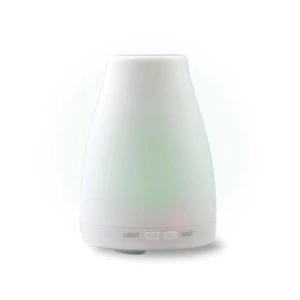
Diffusion is the most common and easiest way to use aromatherapy. A diffuser disperses microscopic droplets of oil into the air, allowing them to be inhaled gradually. This is particularly useful for:
- Evening wind-down routines
- Sleep preparation
- Emotional support
- Creating a calming or uplifting environment
From a safety point of view, diffusion is gentle and low risk when used correctly. It is also easy to stop if it does not feel right.
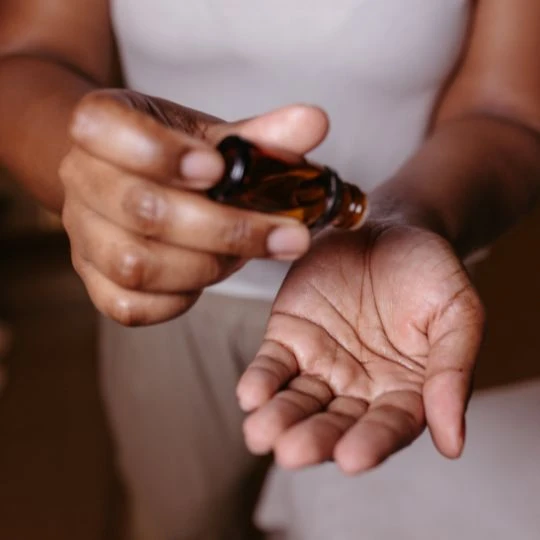
Topical use with carrier oils
Oils should not be applied to the skin or mixed in a bath. They are diluted in a carrier oil, such as sweet almond oil, before use. Topical use is often chosen for:
- Muscle tension and headaches
- Neck and shoulder tightness
- Localised discomfort
- Self-care rituals
Absorption through the skin is slower and more localised than inhalation. This can be useful for physical tension, but you need to be careful with dilution.
Inhalation and personal inhalers
Personal inhalers allow essential oils to be inhaled directly from a small device. You can use inhalers but often just putting a drop of oil on a tissue works fine. This method is discreet, portable, and fast-acting. It is commonly used for:
- Stress during the day
- Tension Headaches
- Focus and alertness
- Situational emotional support
This method avoids skin contact and uses very small amounts of oil.
.webp)
Safety Basics with Aromatherapy
Essential oils are natural, but natural does not mean risk-free. Key safety principles include:
- Use small amounts
- Avoid applying neat oils to the skin unless specifically advised
- Keep oils away from eyes and mucous membranes
- Be cautious during pregnancy and with children. These often have an extra strong sense of smell and can find certain oils overpowering (or unpleasant)
- Consider pets when diffusing (dogs have extra sensitive noses) and cats have a low tolerance for messing.
- Store oils safely and out of reach, preferably in a dark place.
Regulatory bodies such as the European Commission and the International Fragrance Association provide guidance on safe concentration limits, which professional brands follow. If someone is managing a chronic condition or taking regular medication, essential oils are generally compatible, but it is still worth having a conversation with your pharmacist or herbalist rather than assuming anything.
.webp)
Popular Uses for Essential Oils
- Sleep and night-time routines
- Stress and nervous tension
- Headaches related to tension
- Low mood and emotional balance
- Mental clarity and focus (great for studying before exams)
- Seasonal wellbeing
- General relaxation
Clinical studies published in journals such as Evidence-Based Complementary and Alternative Medicine, the Journal of Alternative and Complementary Medicine, and Complementary Therapies in Medicine consistently show modest but definite effects on stress markers, mood, and subjective well-being when aromatherapy is used properly. They are not treatments for medical conditions, and they should not replace appropriate medical care. This distinction is important and protects both the user and the credibility of aromatherapy.
Why consistency matters more than strength
One of the most common misconceptions is that stronger oils work better. In reality, regular gentle exposure is more effective than occasional heavy use. The nervous system responds to patterns. A consistent evening routine using calming oils will do more for sleep over time than a single intense dose (common sense stuff). You are unlikely to feel a dramatic change after one use. That does not mean nothing is happening. If essential oils help, you may notice:
- Feeling slightly calmer
- Easier transitions between activity and rest
- Less emotional reactivity
- Improved sleep quality over time
- A greater sense of comfort in your environment
.webp)
Why we choose professional aromatherapy ranges
With essential oils, quality matters. Some lower-priced oils may be diluted with carrier oils or
other ingredients, which can reduce their strength and purity compared to
undiluted essential oils. Good quality oils should have:
- Clear botanical sourcing
- Batch consistency
- Safety data
- Transparent formulation of blends
Final thoughts from the Supplements Counter
Essential oils are not magic, but they are not meaningless either. They influence the nervous system in ways that are increasingly being researched for proof of current uses and to find new uses. If you are ever unsure, the best place to start is a conversation. In a good pharmacy, it is always available.
.webp)
Ann O’Flynn B.Pharm, MA, BSc, MPSI
Ann is the owner of dPharmacy and has a particular interest in Health foods and supplements. Ann is a Tutor pharmacist and has gained numerous qualifications in alternative therapies - which she uses alongside her extensive clinical training. If you have any queries on medicines or health foods please reach out to us by email, text or phone.
-300x300.webp "Absolute Aroma Peppermint English Oil 10ml")
-300x300.webp "Absolute Aroma Peppermint English Oil 10ml")
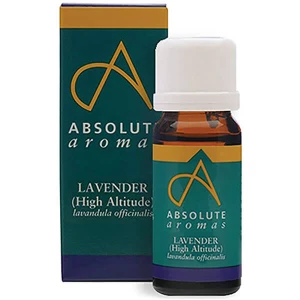
-300x300.webp "Absolute Aromas Lavender High Altitude (10 ml)")
-300x300.webp "Absolute Aromas Grapefruit (10 ml)")
-300x300.webp "Absolute Aromas Grapefruit (10 ml)")
-300x300.webp "Absolute Aromas Lemon (10 ml)")
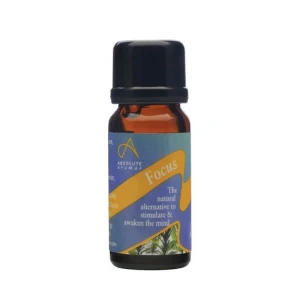
-300x300.webp "Absolute Aromas Focus (10 ml)")
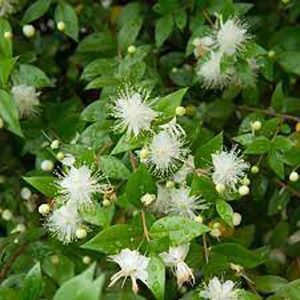
-300x300.webp "Absolute Aromas Geranium Bourbon (10 ml)")
-300x300.webp "Absolute Aromas Geranium Bourbon (10 ml)")
-300x300.webp "Absolute Aroma Lemongrass 10ml")
-300x300.webp "Absolute Aroma Lemongrass 10ml")
-300x300.webp "Absolute Aromas Helichrysum (2 ml)")
)-300x300.webp "Absolute Aromas Energise Essential Oil Blends Kit (3x10 ml)")
-300x300.webp "Absolute Aromas Organic Chamomile Water 100ml")
-300x300.webp "Absolute Aromas Frankincense (5 ml)")
-300x300.webp "Absolute Aromas Frankincense (5 ml)")
-300x300.webp "Absolute Aromas Organic Lemon Oil (10 ml)")
-300x300.webp "Absolute Aromas Camphor (10 ml)")
-300x300.webp "Absolute Aromas Camphor (10 ml)")
-300x300.webp "Absolute Aromas Benzoin 40% Dilution (10 ml)")
-300x300.webp "Absolute Aromas Organic Patchouli (10 ml)")
-300x300.webp "Absolute Aromas Organic Patchouli (10 ml)")
-300x300.webp "Absolute Aromas Blended Goodnight Essential Oil 10ml")
-300x300.webp "Absolute Aromas Blended Goodnight Essential Oil 10ml")
-300x300.webp "Absolute Aromas Organic Bergamot (10 ml)")
-300x300.webp "Absolute Aromas Organic Bergamot (10 ml)")
-300x300.webp "Atlantic Aromatics Original Petitgrain Oil - Egypt (5 Ml)")
-300x300.webp "Atlantic Aromatics Original Petitgrain Oil - Egypt (5 Ml)")
%20(5%20ml)-300x300.webp "Atlantic Aromatics Original Ginger Oil 5ml")
%20(5%20ml)-300x300.webp "Atlantic Aromatics Original Ginger Oil 5ml")
-300x300.webp "Atlantic Aromatics Original Melissa Bulgaria (Lemon Balm) Oil (2.5 Gr) -")
-300x300.webp "Atlantic Aromatics Original Melissa Bulgaria (Lemon Balm) Oil (2.5 Gr) -")
-300x300.webp "Atlantic Aromatics Original Basil Oil-Linalol Type (Egypt) 5 ml")
-300x300.webp "Atlantic Aromatics Original Basil Oil-Linalol Type (Egypt) 5 ml")
-300x300.webp "Atlantic Aromatics Original Camomile German - 16% in Jojoba Bulgaria (2.5 gr)")