
Essential Oils when you're Feeling Down
-1500x1001w.webp "Essential Oils when you're Feeling Down")
Essential oils are not a cure, but they can be a companion.
Feeling low, out of sorts or just not able to cope are some of the most common reasons people turn to aromatherapy. In a pharmacy setting, this often comes up indirectly: “I’m just not myself,” “Everything feels a bit heavy,” or “I’m coping, but only just.”
It is important to be clear from the outset. Essential oils do not treat depression or mental health disorders. They do not replace counselling, medication, or appropriate medical care. What they can do is help you feel a little lifted and give nervous system balance. Essential oils are particularly useful when low mood is linked to stress, overload, or emotional fatigue.
This post explains how essential oils may help when you feel blue, which oils and blends are best to pick, and how to use them in a way that is realistic, safe and effective.
.webp)
Understanding low mood
Low mood is not the same thing as clinical depression. In many people, it happens after prolonged stress. This can leave people feeling flat, overwhelmed, or emotionally blunted rather than acutely distressed.
Research in psychophysiology and integrative medicine has shown that Aromatherapy, can influence emotional processing and stress regulation. It helps balance and lift you by working on the limbic system (one of the many nervous systems in the body).
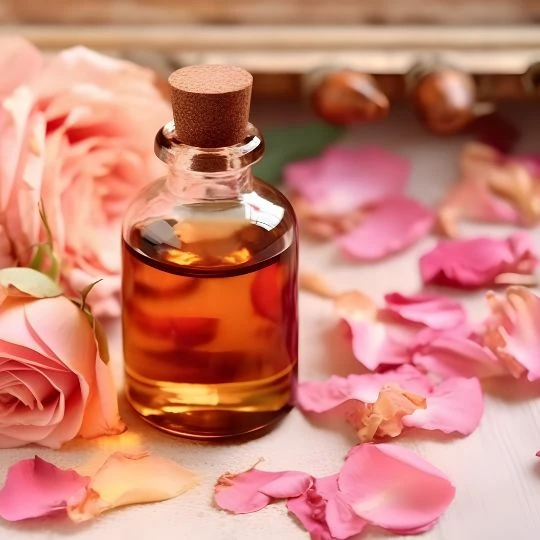
What Essential Oils Can & Cannot Do for Mood
Essential oils can help:
- Steady you emotionally
- Help you cope with stress
- Gentle mood uplift
- Emotional comfort during difficult periods
They do not:
- Treat depression
- Correct biochemical imbalances
- Replace mental health care
- Override persistent emotional distress
In pharmacy practice, essential oils are best framed as supportive tools, not solutions - but they do make great support tools and shouldn't be overlooked.
.webp)
How Scent affects Emotions
The sense of smell has a direct connection to the limbic system, which governs emotion, memory, and stress responses. Unlike other sensory inputs, scent does not need to be consciously processed to have an effect.
This is why certain smells can feel comforting, uplifting, or grounding almost immediately.
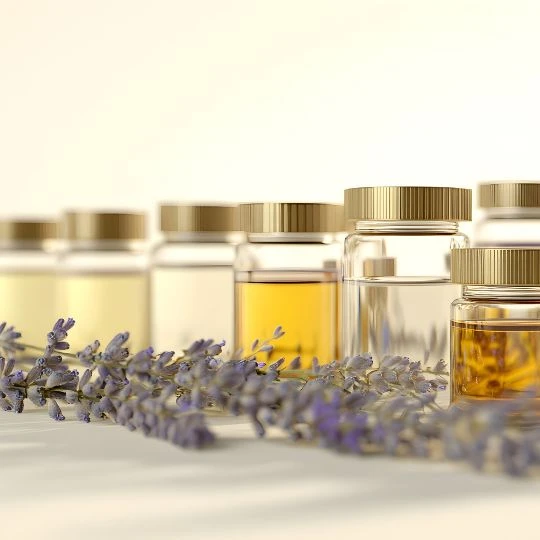
Essential Oil Blends Used for Low Mood
Blends are often the easiest starting point to lift a flat or low mood. Blends let you target many of the emotions which occur when you fell low and fed up.
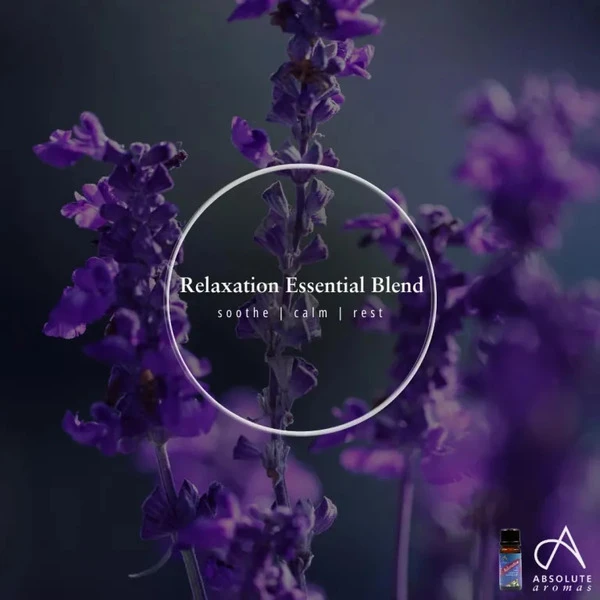
Absolute Aromas Relaxation
This essential oil blend is a popular choice when a person feels low because of stress and overload. It soothes and steadies you without increasing alertness. It can be used:
- In the evening
- During stressful periods
- As part of a daily wind-down routine

This Blend contains:
Lavender (Lavandula angustifolia)
This oil forms the basis of the blend. It calms and reduces tension. It relaxes without over sedation.Bergamot (Citrus bergamia)
This provides a gentle emotional uplift while also having calming profile. Unlike sharper citrus oils, this essential oil helps ease emotional heaviness and tension without overstimulating.Geranium (Pelargonium graveolens)
It helps stabilize emotional fluctuations and supports a sense of equilibrium, particularly when stress affects mood or emotions.Ylang Ylang (Cananga odorata)
This gives emotional softness and relaxation. It is often used to reduce nervous tension and emotional holding, helping the blend feel comforting rather than stimulating.The Relaxation blend combines:
Nervous system calming (lavender, ylang ylang)
Emotional balancing (geranium)
Gentle mood lifting without stimulation (bergamot)
.webp)
Absolute Aromas Romance Blend
Despite the name, romance-type blends are often used for comfort rather than solely for intimate moments. This blend contains floral oils for warmth and reassurance. It is useful when a low mood is linked to emotional vulnerability or a sense of disconnection.
The Romance Oil Blend contains:
Geranium (Pelargonium graveolens)
This is a core oil in the blend. It helps stabilize emotional ups and downs and gives a sense of equilibrium, particularly when emotions feel unsettled or reactive.Ylang Ylang (Cananga odorata)
This gives emotional softness and relaxation (almost instantly). It is often used to ease nervous tension and emotional holding, helping the blend feel comforting and calming rather than energizing.Patchouli (Pogostemon cablin)
It gives emotional anchoring and helps reduce feelings of restlessness. It also helps deepen the profile of the blend, making it feel more solid and more reassuring.Rosewood (Aniba rosaeodora)
This gives a gentle warmth. It is often used for calm, particularly during periods of emotional vulnerability.The Romance blend brings together:
Emotional balancing (geranium)
Nervous system relaxation (ylang ylang, rosewood)
Grounding and emotional anchoring (patchouli)
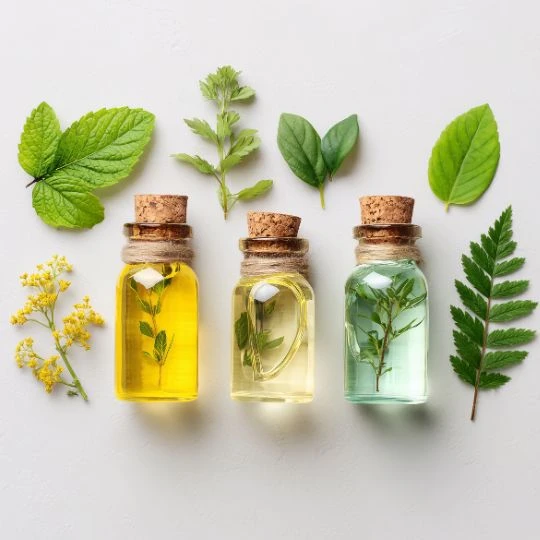
Absolute Aromas Refresh Oil
Uplifting blends are sometimes chosen when low mood presents as mental heaviness or lack of motivation rather than anxiety. Use earlier in the day It is great when you feel low but have to keep moving. This effect is subtle but noticeable, particularly when used consistently.
The Refresh Oil Blend contains:
Peppermint (Mentha piperita)
This is included for its strong stimulating effect. It activates cooling receptors, which can help reduce feelings of heaviness and improve alertness and concentration.Lemon (Citrus limon)
This gives a bright, clean top note that leads to a mental uplift. It is often used to reduce mental tiredness and help with focus (particularly during periods of prolonged concentration or low motivation).Eucalyptus (Eucalyptus globulus)
This contributes a clear, open aromatic scent. It is often used to give a sense of mental space and alertness, particularly when the head feels “full” or overloaded. It works great with sinus or cold but can be used just to "Shake you up".Rosemary (Rosmarinus officinalis)
This gives alertness. It is particularly useful when mental fatigue contributes to headaches or low motivation.The Refresh blend combines:
Strong sensory stimulation (peppermint)
Cognitive uplift and clarity (lemon, rosemary)
A sense of openness and freshness (eucalyptus)
.webp)
Single essential oils for Low Mood
Sweet Orange
Sweet orange is widely used for gentle mood uplift. Its smell is familiar and comforting, which can make it easy to use for beginners. It is often chosen when:
- Mood feels flat
- Energy is low
- Emotional heaviness is present
How Sweet Orange Oil Works
Limonene (the active ingredient of this oil) has been shown in both animal and human studies to influence neurotransmitter activity associated with mood. Inhalation of sweet orange aroma causes:
- Reduced sympathetic nervous system activity (the fight or flight nervous system)
- Mild stimulation of dopaminergic pathways (happy/ reward nervous system)
- Lowered perceived stress and emotional tension
Sweet orange does not trigger alertness in the same way as sharper citrus oils. Instead, it gives a soft uplift, reducing emotional heaviness without increasing agitation.
.webp)
Grapefruit
Grapefruit is brighter and much more stimulating than orange oil. It gives emotional lightness and mental clarity, particularly during the day.The active ingredient of Grapefruit oil is Limonene but it also has stimulating terpenes.
How Grapefruit Oil Works
Grapefruit is more activating than sweet orange. This oil causes increases sympathetic nervous system activity (fight or flight path). This makes grapefruit more of a mental energizer than an emotional comfort oil. Grapefruit may be useful when a low mood is when it is with:
Mental fatigue
Reduced concentration
Lack of daytime energy
Grapefruit is generally better suited to day time use and may not be a great idea for anxiety-prone individuals late in the day.
.webp)
Geranium Oil
It is used when your mood feels changeable, when emotional responses feel exaggerated or during hormonal fluctuations (PMS and Menopause). The active ingredients of this oil are citronellol, geraniol, and linalool (variable by origin). There are two types of Geranium Oil: Bourbon & Egyptian. Both come from the same plant species, Pelargonium graveolens, but where the plant is grown affects its chemical composition and scent.
Geranium Bourbon
This is grown on ReUnion Island and contains high levels of Citronellol and Geraniol. It has smooth smell. It is used for
Emotional balance
Stress-related tension
For mood swings related to hormones.
Emotional sensitivity or reactivity
It tends to be liked by people who are emotionally sensitive or easily overstimulated.
Geranium Egyptian
This is grown in Egypt, where hotter, drier conditions influence the plant’s chemistry. It often contains higher levels of menthone and isomenthone, has a more herbaceous, green note and is sharper than the Bourbon version. This gives it a slightly more uplifting effect (though it remains emotionally balancing overall). It is often used for:
Daytime emotional balance
Mental clarity with emotional steadiness
Situations where a lighter, fresher aroma is preferred
Blends aimed at freshness rather than comfort
How Geranium Oil Works
It works on:
Autonomic nervous system regulation (the involuntary nervous system)
Stress hormone modulation
Emotional reactivity
Geranium helps stabilize emotional responses rather than push mood in one direction. Research suggests it affects hypothalamic activity (in the brain), which plays a role in stress regulation and hormonal signaling. This oil is used when mood is variable, reactive, due to hormones and / or you are unsettled rather than low. It is particularly useful during times of emotional or psychological trauma.
How to Choose Between Geranium Oils
The choice often comes down to how the person feels and when they want to use the oil.
- Geranium Bourbon is often the better option when emotions feel raw or unsettled, stress is prominent and you want to use it for evening use.
- Geranium Egyptian may be more appropriate when emotional balance is needed during the day, you want something that acts fast and can be used during the day. The blend feels uplifting rather than soothing
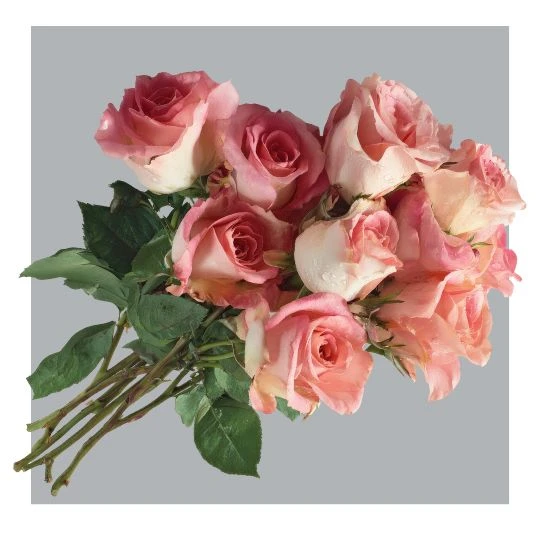
Rose (absolute or dilution) Oil
These oils are used for emotional comfort . They are extremely popular with people who are experienced with essential oils. They are often used sparingly due to their intensity and cost. Rose oil is used when emotional sensitivity or sadness is the main feeling. The active ingredients in Rose Oils are Citronellol, geraniol, and phenyl ethyl alcohol.
How Rose Oil Works
This essential oil has one of the most complex aromatic profiles in aromatherapy. It has been shown to influence both emotions and stress . This oil causes:
Reduced sympathetic nervous system activation (fight or flight nervous system)
Increased parasympathetic activity (Rest and digestive nervous system)
Lower stress markers
Enhanced emotional comfort and reassurance
Rose is not stimulating. Instead, it acts as a stabilizer, supporting feelings of safety and emotional containment. This oil may be particularly helpful when low mood is accompanied by grief or sadness, feelings of vulnerability and /or emotional exhaustion
Because of its intensity, rose is usually used in very small amounts or in dilution (a definite positive given it's one of the more expensive oils).
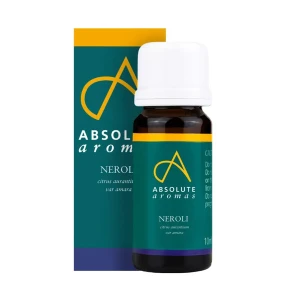
Neroli Oil
This is used for tension and overwhelm. It is calming rather than uplifting and can be suitable for both day and evening use. Its a beautiful smell and is often added to expensive scented candles and diffuser scents. The active ingredients of Neroli are Linalool, linalyl acetate, and nerolidol
How Neroli Oil Works
This oil has calming and stabilizing effects. Its chemical profile overlaps with lavender but has a more distinctly emotional focus (and less of a relaxing one). Research has shown that neroli:
Reduces sympathetic nervous system activity (fight or flight nervous system)
Lowers stress-related physiological responses
Leads to parasympathetic dominance (rest and digestion nervous system)
Reduces emotional reactivity
This oil is particularly good at reducing stress-induced upset, rather than relaxing you. It is used when there is overwhelm, nervous tension, anxiety-linked to low mood and / or difficulty settling emotionally. It is suitable for both daytime and evening use and is often well tolerated by emotionally sensitive individuals.
.webp)
Quick Guide for When to Use each Oil
Although all of these oils support emotional well-being, they act through different nerve pathways:
Sweet orange gently lifts mood
Grapefruit increases alertness
Geranium stabilizes emotional fluctuations
Rose supports emotional comfort
Neroli calms stress-driven emotional overload
This is why matching the oil to the emotional presentation matters more than choosing a popular option.
How to use Essential Oils for Low Mood
Diffusion
This is the most common method for emotional support. You can use oil burners, electric diffusers, reed diffusers (you can add to ones you have or make your own), oil soaked crystals and even add them to home made air fresheners.
Personal inhalers
This may be as simple as just putting a bit on a tissue and taking it with you. You can also pop the oil (diluted or undiluted) to your desk, collar, cuff etc.) and get a direct hit from it when needed. Roll on are available in some oils.
They are often used:
- At work or school (when others might object)
- During stressful events (exams, Christmas)
- When emotional regulation is needed quickly
Body & Bath Oils
This can be used as part of your skincare (or self care) routine or in massage or bath oils. You can dilute with carrier oils or use premade essential oil waters. Common areas to apply these oils include:
- Wrists
- Chest area
- Back of the neck
Essential oils must always be diluted before being put directly on the skin (use a carrier oil).
.webp)
Common mistakes when using essential oils for mood
- Using stimulating oils late in the day
- Expecting dramatic mood changes
- Switching oils too frequently
- Using oils inconsistently
- Ignoring sleep and stress patterns
Safety considerations
Key points include:
- Avoid excessive diffusion
- Be cautious if emotionally sensitive
- Use lower doses initially
- Stop using it if the aroma feels overwhelming
If low mood is persistent, worsening, or affecting daily functioning, essential oils should not delay seeking medical or mental health support.
Final thoughts from the Supplement Counter
Emotional balance is not about constant positivity. It is about calm, adaptability, and the ability to recover from stress. These are Helpful oils not "Happy Oils"
Essential oils can help with low mood by gently influencing the nervous system and emotional parts of the brain. When used with knowledge, they can offer comfort and grounding challenging periods.
.webp)
Ann O’Flynn B.Pharm, MA, BSc, MPSI
Ann is the owner of dPharmacy and has a particular interest in Health foods and supplements. Ann is a Tutor pharmacist and has gained numerous qualifications in alternative therapies - which she uses alongside her extensive clinical training. If you have any queries on medicines or health foods please reach out to us by email, text or phone.
-300x300.webp "Absolute Aromas Refresh (10 ml)")

-300x300.webp "Absolute Aromas Grapefruit (10 ml)")
-300x300.webp "Absolute Aromas Grapefruit (10 ml)")
-300x300.webp "Absolute Aromas Lemon (10 ml)")
-300x300.webp "Absolute Aromas Mandarin (10 ml)")
-300x300.webp "Absolute Aromas Rose Absolute 5% Dilution 10ml")
-300x300.webp "Absolute Aromas Rose Absolute 5% Dilution 10ml")
-300x300.webp "Absolute Aromas Equilibrium (10 ml)")
-300x300.webp "Absolute Aromas Chamomile Roman (10 ml)")
-300x300.webp "Absolute Aromas Geranium Bourbon (10 ml)")
-300x300.webp "Absolute Aromas Geranium Bourbon (10 ml)")
-300x300.webp "Absolute Aromas Geranium Egyptian (10 ml)")
-300x300.webp "Absolute Aromas Geranium Egyptian (10 ml)")
-300x300.webp "Absolute Aromas Chamomile Roman (5ml)")
-300x300.webp "Absolute Aromas Chamomile Roman (5ml)")
-300x300.webp "Absolute Aromas Relaxation (10ml)")
-300x300.webp "Absolute Aromas Neroli Oil (2 ml)")
-300x300.webp "Absolute Aromas Organic Lemon Oil (10 ml)")
-300x300.webp "Absolute Aromas Organic Orange (10 ml)")
-300x300.webp "Absolute Aromas Organic Orange (10 ml)")
-300x300.webp "Absolute Aromas Organic Peppermint (10 ml)")
-300x300.webp "Absolute Aromas Organic Peppermint (10 ml)")
-300x300.webp "Absolute Aromas Bliss Blends Kit (3 x 10 ml)")
-300x300.webp "Absolute Aromas Romance Oil (10 ml)")
-300x300.webp "Absolute Aromas Romance Oil (10 ml)")
-300x300.webp "Absolute Aromas De-Stress (10 ml)")
-300x300.webp "Absolute Aromas De-Stress (10 ml)")
-300x300.webp "Atlantic Aromatics Jasmine Absolute - Egypt (2.5 Gr)")
-300x300.webp "Atlantic Aromatics Jasmine Absolute - Egypt (2.5 Gr)")
-300x300.webp "Atlantic Aromatics Original Niaouli Oil - Madagascar (10 ml)")
-300x300.webp "Atlantic Aromatics Original Niaouli Oil - Madagascar (10 ml)")
-300x300.webp "Atlantic Aromatics Original Neroli - Egypt (2.5 Gr)")
-300x300.webp "Atlantic Aromatics Original Neroli - Egypt (2.5 Gr)")
-300x300.webp "Atlantic Aromatics Valerian Oil (5 ml) -")
-300x300.webp "Atlantic Aromatics Valerian Oil (5 ml) -")
-300x300.webp "Atlantic Aromatics Rose Absolute - Bulgaria (2.5 Gr)")
-300x300.webp "Atlantic Aromatics Rose Absolute - Bulgaria (2.5 Gr)")
-300x300.webp "Atlantic Aromatics Original Camomile German - 16% in Jojoba Bulgaria (2.5 gr)")
-300x300.webp "Absolute Aromas Wellbeing Kit (3x10 ml) -")