La Roche Posay Explained Which Range Is Right for Your Skin


La Roche-Posay is a large range, and that is both its strength and its biggest source of confusion. The products are not simply different versions of the same moisturiser. Lipikar, Toleriane, Effaclar, Cicaplast and Anthelios were developed for different skin problems, so choosing by packaging or popularity can leave you with the wrong texture or the wrong active ingredients.
The quickest way to choose is to start with the problem you are trying to solve.
- Very dry or eczema-prone body skin usually points towards Lipikar.
- Sensitive or reactive facial skin is better suited to Toleriane.
- Spots, blackheads and excess oil belong in Effaclar.
- Irritated or damaged patches are where Cicaplast is most useful.
- Anthelios covers daily and holiday sun protection.
- Hyalu B5 and the treatment serums are for dehydration, fine lines, uneven tone and other visible signs of ageing.

Why La Roche Posay works well for sensitive skin
This brand builds many of its formulas around sensitive skin, but that does not mean every product is suitable for every sensitive face. A person with dry, reactive skin needs something very different from somebody whose skin is oily, congested and easily irritated. The brand works because it separates those needs into clear ranges and uses active ingredients at levels and in textures that people can use consistently.
La Roche-Posay Thermal Spring Water appears across much of the range. It contains minerals including selenium and is used for its soothing and antioxidant properties. It is part of the formula, not the whole reason a product works. Glycerin, niacinamide, panthenol, shea butter, hyaluronic acid, exfoliating acids and modern UV filters do most of the practical work, depending on the product.
Do not assume every La Roche-Posay product is fragrance-free or that a familiar brand name guarantees you will not react. Read the individual product information, introduce one new product at a time and stop if a formula repeatedly stings or creates a new rash.

Toleriane for sensitive reactive or allergy prone facial skin
Toleriane is the best starting range when the face reacts easily, feels hot or tight, or becomes uncomfortable after trying new skincare.
The formulas are deliberately straightforward and the textures range from cleansing milk and wash-off cleanser to light fluid and richer cream. The aim is to clean and moisturise without adding several aggressive active ingredients at once.
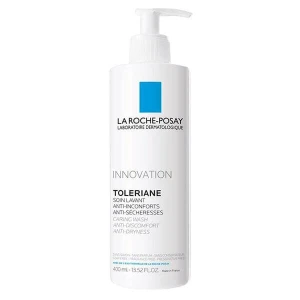
La Roche Posay Toleriane Dermo Cleanser suits dry, reactive skin and can be wiped away or rinsed depending on preference. Toleriane Caring Wash is a better choice for somebody who wants a conventional rinse-off face wash without the stripped feeling left by stronger foaming cleansers. A cleanser should leave sensitive skin comfortable, not squeaky.
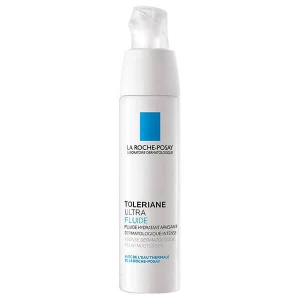
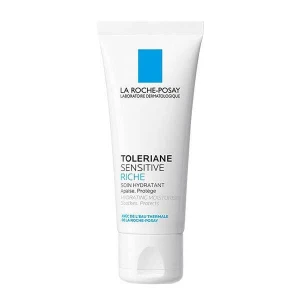
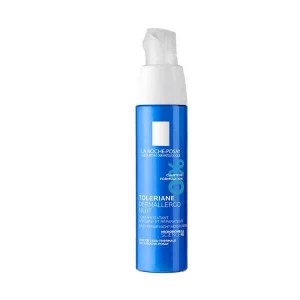
For moisturising, Toleriane Sensitive Fluid is the lighter option for combination, oily or heat-prone skin. Toleriane Sensitive Rich is better when the skin is dry and tight. Toleriane Dermallergo Night is aimed at ultra-sensitive or allergy-prone skin that needs a calming night cream. If every product seems to irritate, strip the routine back to a gentle cleanser, one moisturiser and an SPF rather than adding another serum.

Effaclar for spots blackheads and oily skin
Effaclar is for oily, congested and blemish-prone skin.
It is not automatically right for every person with acne. Skin can be spot-prone and dry at the same time, especially when prescription acne treatments, benzoyl peroxide, retinoids or too many exfoliating acids are being used. In that situation, a strong foaming routine can make the irritation worse even if oiliness is still present.
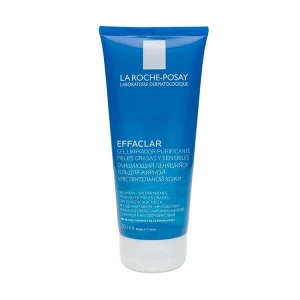
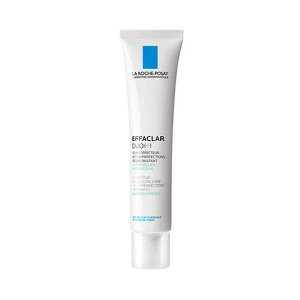
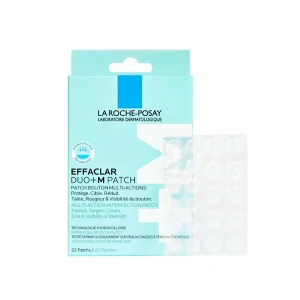
Effaclar Gel removes excess oil and daily build-up without using a gritty scrub. Effaclar Duo+M is the range hero for recurring blemishes, blocked pores and marks left after spots. Its formula combines ingredients including niacinamide, salicylic acid and LHA. Salicylic acid is oil-soluble, so it can work within the oily material inside a pore. LHA is a related exfoliating acid that acts at the skin surface. Niacinamide is included to reduce the irritated feeling and improve how the skin barrier works.
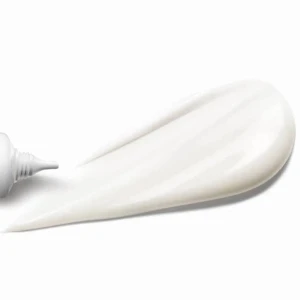
Effaclar Duo+M is a leave-on treatment, not an emergency cure for a large inflamed spot. Use a thin layer consistently and do not combine it immediately with several other acids, a scrub and a strong retinoid. If acne is painful, scarring, widespread or affecting confidence, ask a pharmacist or GP about treatment rather than relying on cosmetic skincare alone.

Lipikar for dry itchy and eczema prone body skin
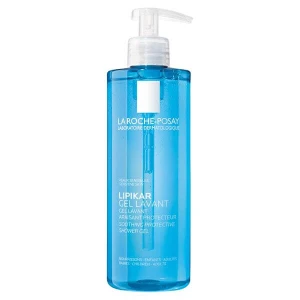
Lipikar is the body-care range for dry, very dry, itchy and eczema-prone skin. It covers both cleansing and moisturising, which matters because a harsh shower product can undo much of the benefit of a good body cream. Lipikar Gel Wash is a soap-free daily cleanser for sensitive skin. Richer cleansing oils and washes in the range are useful when water alone leaves the skin tight.
Lipikar Baume AP+M is the richer leave-on product in the range. It uses shea butter, niacinamide and Aqua Posae Filiformis in a balm texture intended for very dry, itch-prone skin. Shea butter reduces water loss by adding lipids and leaving a protective layer. Niacinamide is a form of vitamin B3 used to calm irritation and help the outer skin barrier work more effectively.
A balm can control dryness and reduce the itch caused by dry skin, but it does not replace treatment for an active eczema flare. Skin that is red, hot, weeping, crusted, infected or waking someone at night needs medical assessment. Continue the emollient, but ask whether an anti-inflammatory medicine or another treatment is required.

Cicaplast for irritated cracked or damaged areas
Cicaplast is the range people most often buy after seeing it recommended online, but it is not a complete routine for every skin type.
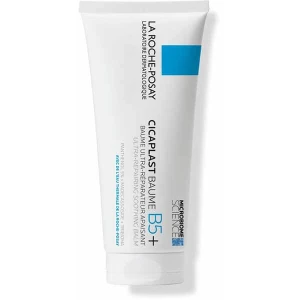
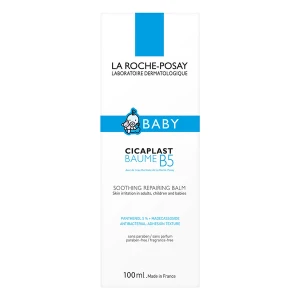
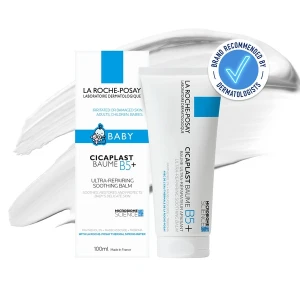
Cicaplast Baume B5+ is a rich multi-purpose balm for dry, cracked and irritated areas.
This Baume contains 5% panthenol, also called provitamin B5, alongside madecassoside and the Tribioma prebiotic complex. Panthenol acts as a humectant and emollient, helping the surface hold water while reducing roughness and discomfort.
Use Cicaplast as the final moisturising layer on areas that need it. It can be useful around the nose after a cold, on dry patches, after superficial irritation or when stronger skincare has left the barrier uncomfortable. It may be too heavy as an all-over daily moisturiser for somebody with very oily or congested skin.
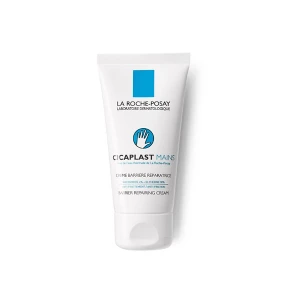
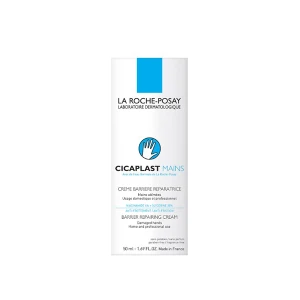
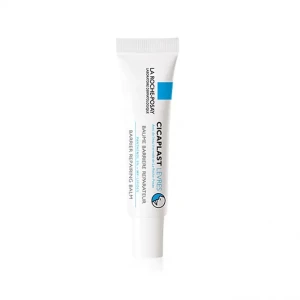
Cicaplast Lips and Cicaplast Hand Cream apply the same practical idea to chapped lips and hard-working hands.
Cicaplast is not an antiseptic, antibiotic or treatment for infected skin. It should not be used to seal over a deep wound, a spreading rash or an area that is hot, painful, swollen or producing pus. Those signs need medical advice.

Anthelios for daily and holiday SPF
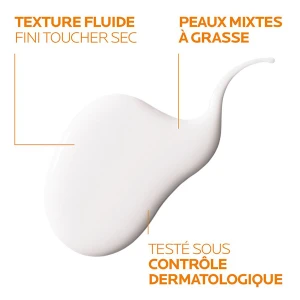
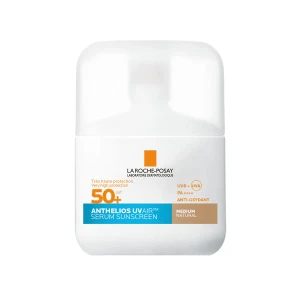
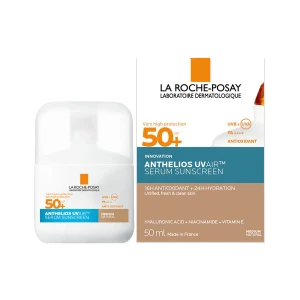
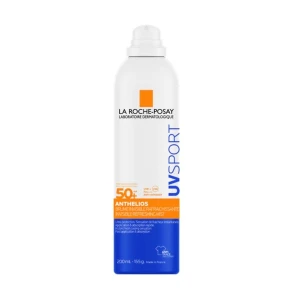
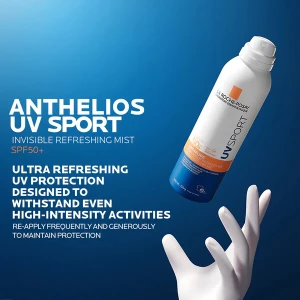
Anthelios is the sun-care range. The most important choice is not simply the highest SPF. It is finding a high-protection formula that suits the skin well enough to apply generously and reapply. A fluid is easier for many people to wear on the face every day. A cream can feel better on dry skin. Oil-control formulas suit shiny or blemish-prone skin, while tinted versions can reduce the white cast and give light cosmetic coverage.
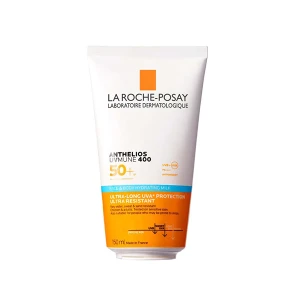
Anthelios UVMune 400 products use Mexoryl 400, a filter designed to cover the ultra-long UVA wavelengths close to 400 nanometres. UVB is strongly linked with sunburn. UVA penetrates more deeply and contributes to premature skin ageing and pigmentation. Broad UVA and UVB protection is important even when the immediate concern is not burning.
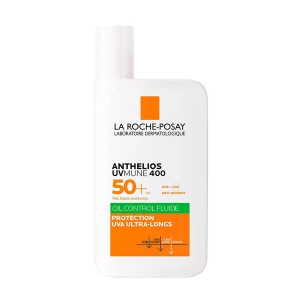
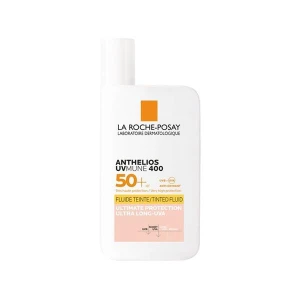
La Roche Posay Anthelios UV 400 Oil Control Fluid SPF50+ is a practical facial option when shine and breakouts are the main problems. Anthelios UVMune 400 Fluid Tinted SPF50+ adds tint for people who prefer some coverage. The La Roche Posay SPF stick is super handy for under the eyes and on holidays slips easily into your bag.
Sunscreen is the final morning skincare step. Use enough, cover the ears and neck, and reapply during prolonged outdoor exposure, after swimming or after heavy sweating.

Hyalu B5 and Hydraphase for dehydrated skin
Dehydrated skin lacks water, while dry skin lacks enough oil. A face can be oily and dehydrated at the same time. The clues are tightness, fine surface lines and a flat or crepey look, sometimes alongside shine. Hyalu B5 and Hydraphase are the La Roche-Posay ranges aimed most directly at this problem.
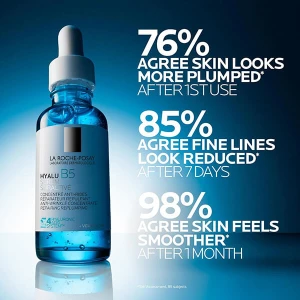
Hyaluronic acid is a humectant. It attracts and holds water in the upper skin layers, which temporarily makes the surface look smoother and more hydrated.
Vitamin B5, or panthenol, also binds water and reduces roughness.
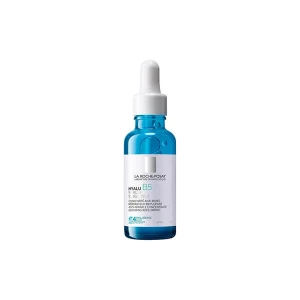
La Roche Posay Hyalu B5 Serum is used before moisturiser. The cream is better for somebody who wants the hydrating step and moisturiser in one product.
A hydrating serum cannot prevent water loss by itself. If the face still feels tight, apply a moisturiser over it. During the day, finish with Anthelios SPF. If the skin is dry rather than merely dehydrated, a richer Toleriane or Nutritic moisturiser may make a bigger difference than adding more serum.

Pure Vitamin C Retinol and treatment serums
La Roche-Posay also makes active serums for ageing, uneven tone and pigmentation.
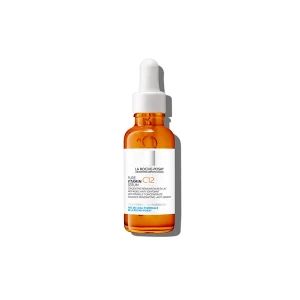
Pure Vitamin C12 Serum is used for dullness, uneven texture and fine lines.
Vitamin C acts as an antioxidant and is used to reduce visible pigmentation and improve brightness. The formula also contains salicylic acid, so it should be introduced carefully if the skin is reactive or already using exfoliating products.
Retinol products work differently. Retinol is converted within the skin through intermediate steps towards retinoic acid, which affects cell turnover and collagen-related pathways. It can improve fine lines and uneven texture, but irritation is common when it is started too quickly. Use it at night, begin a few times a week and wear a high-factor SPF every morning. Avoid retinoids during pregnancy and ask for individual advice when breastfeeding.
Mela B3 and other pigmentation products can be useful for persistent dark marks, but pigmentation has several causes. A serum will have limited value if daily UVA protection is missing. Any new, changing or irregular dark patch should be examined rather than treated as ordinary pigmentation.

Toleriane Rosaliac for redness prone skin
Toleriane Rosaliac AR Concentrate is used for sensitive skin with persistent facial redness. Rosacea can involve flushing, visible blood vessels, spots, burning and eye symptoms, and it often needs prescribed treatment. Gentle cleansing, a simple moisturiser and daily high UVA protection are still useful, but repeated flushing or an acne-like rash through the centre of the face deserves assessment.
Avoid building a redness routine around multiple acids, scrubs and strong fragrance. Introduce active ingredients one at a time. If the skin burns with almost everything, settle it first with a short, basic routine before trying to treat pigmentation, pores and ageing at the same time.
How to build a simple La Roche Posay routine
For sensitive dry skin, use Toleriane Dermo Cleanser or Caring Wash, follow with Toleriane Sensitive Rich and finish the morning routine with an Anthelios SPF.
For combination sensitive skin, use the same gentle cleansing approach but choose Toleriane Sensitive Fluid. Add Hyalu B5 only if dehydration is still obvious.
For oily, blemish-prone skin, use Effaclar Gel, apply Effaclar Duo+M in a thin layer and choose an Anthelios oil-control SPF. If that routine becomes tight or sore, reduce the frequency of the active product and replace the cleanser or moisturiser with a gentler Toleriane option.
For very dry body skin, use a Lipikar cleanser in the shower and apply Lipikar Baume AP+M afterwards. Use Cicaplast Baume B5+ on smaller cracked or irritated areas. The routine should change if the skin becomes inflamed, infected or persistently itchy because moisturisers alone may not be enough.

A word from the cosmetic counter
La Roche-Posay is easiest to buy when you ignore the hype around individual products and choose by skin problem. Toleriane is the safe starting point for a reactive face. Effaclar is for oil, blocked pores and spots. Lipikar is for dry and eczema-prone body skin. Cicaplast is for smaller irritated or damaged areas. Anthelios is the daily protection step. Hyalu B5 and the active serums are additions, not the foundation of the routine.
Start with cleanser, moisturiser and SPF. Give that routine time to settle before adding treatment serums. If a product repeatedly burns, stop using it. If the skin problem is painful, spreading, scarring, infected or not improving, ask a pharmacist, GP or dermatologist rather than buying another cosmetic product.