
Sciatica
Sciatica pain starts in the lower back and travels down the leg, often causing sharp, burning, or shooting discomfort. It happens when the sciatic nerve is compressed, leading to pain, tingling, or numbness. Daily activities like walking, sitting, or even lying down can become uncomfortable. At dPharmacy, we provide trusted solutions for sciatica relief. From pain relief tablets to muscle relaxants and supportive products like cushions or heat therapy, we offer expert-approved options to ease discomfort and improve mobility. Managing sciatica effectively can help restore movement and reduce pain over time.

What causes sciatica?
Sciatica happens when the sciatic nerve, which runs from the lower back down each leg, is irritated or compressed. The most common cause is a herniated disc pressing on the nerve. Other causes include spinal stenosis, injury, pregnancy, or muscle tightness, especially in the piriformis muscle. Sciatica can also develop due to prolonged sitting or poor posture. Symptoms range from mild tingling to severe pain, affecting daily activities. If symptoms persist or worsen, it’s best to consult a healthcare professional for advice.
What are the best treatments for sciatica pain relief?
Sciatica pain relief depends on the cause, but common treatments include:
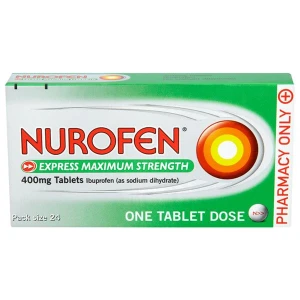
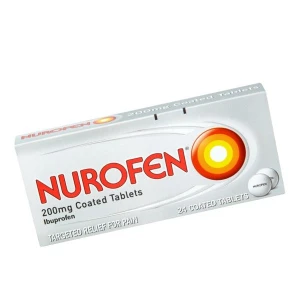
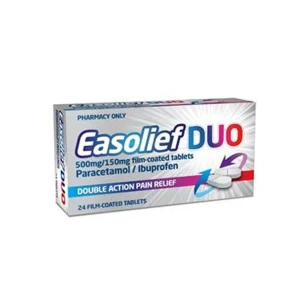
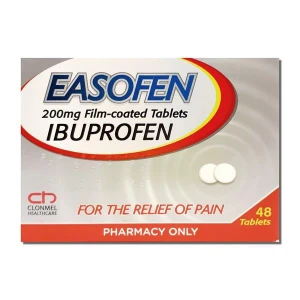
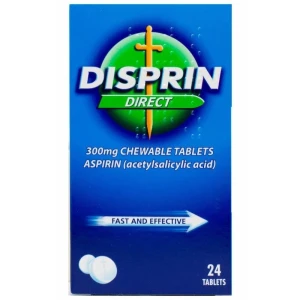
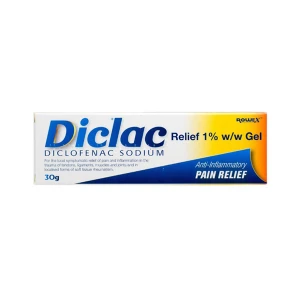
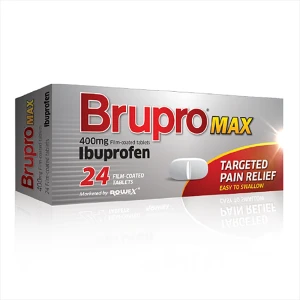
Pain relief medication – Anti-inflammatories like ibuprofen or paracetamol can help reduce pain.
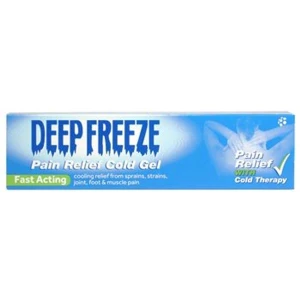
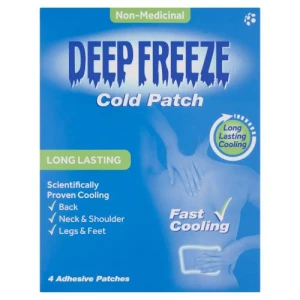
Heat and cold therapy – Applying heat relaxes muscles, while cold packs reduce inflammation.
Stretching and exercise – Gentle movement, such as yoga or specific stretches, can ease nerve compression.
Physiotherapy – A specialist can provide exercises to strengthen the lower back and improve posture.
Posture support – Using cushions or ergonomic chairs can help reduce pressure on the nerve.
If symptoms persist, a doctor may suggest stronger pain relief, steroid injections, or in rare cases, surgery.
Can sciatica go away on its own?
Yes, mild sciatica can improve with time, usually within a few weeks. Rest, gentle stretching, and over-the-counter pain relief can help manage symptoms. However, if pain lasts more than six weeks, becomes severe, or affects movement, medical advice is recommended. In some cases, underlying conditions like a herniated disc may require further treatment. Keeping active and maintaining good posture can prevent sciatica from returning.
Does exercise help with sciatica?
Yes, movement can help relieve sciatica pain by reducing nerve pressure and improving flexibility. Low-impact exercises like walking, swimming, and yoga are beneficial. Stretching the hamstrings and lower back can also ease discomfort. However, high-impact activities or heavy lifting may worsen symptoms. If pain increases with exercise, it’s best to stop and seek guidance from a physiotherapist. A personalised exercise plan can help manage sciatica effectively.
Should I see a doctor for sciatica?
Most cases of sciatica improve with home care, but a doctor’s advice is needed if:
The pain lasts longer than six weeks.
You experience severe weakness, numbness, or loss of bladder or bowel control.
Pain worsens despite treatment.
A medical professional can assess the cause and recommend appropriate treatments, from physiotherapy to prescription medication or further tests if needed.