
Minerals
Minerals are essential nutrients that support bone health, energy production, and overall well-being. They help with muscle function, nerve signalling, and maintaining strong bones and teeth. Key minerals include calcium for bone strength, magnesium for muscle and nerve support, and iron for energy and oxygen transport. Zinc and selenium play a role in immunity and cell protection. Since the body cannot produce minerals, they must be obtained from food or supplements. Found in dairy, leafy greens, nuts, and seafood, minerals are vital for daily health and a balanced diet.
Subcategories











600-300x300.webp "Macanta Magnesium Bisglycinate L-theanine & L-Taurine (60caps)")

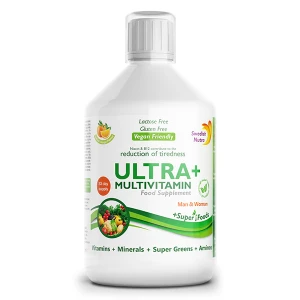

600-300x300.webp "Mag365 Bone Formula + Calcium Unflavoured (210g)")



%20(90%20tabs)-300x300.webp "Higher Nature Atlantic Marine Magnesium (90 Tabs)")
%20(90%20tabs)-300x300.webp "Higher Nature Atlantic Marine Magnesium (90 Tabs)")


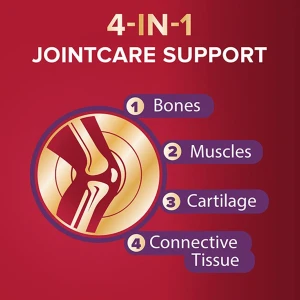





600-300x300.webp "Mag365 Bone Formula Exotic Lemon (180g)")

600-300x300.webp "Quest Magnesium Citrate 250mg (60tabs)")

-300x300.webp "Higher Nature Metabolic Balance (90 Caps)")
-300x300.webp "Higher Nature Chlorella Tablets (180tbs)")



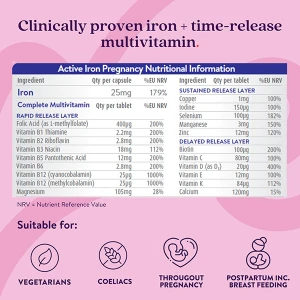






-dpharmacy-300x300.webp "FabÜ Shrooms Cholesterol & Heart (90tabs)")
-dpharmacy-300x300.webp "FabÜ Shrooms Cholesterol & Heart (90tabs)")



Why are minerals important for health?
Minerals are essential for many functions in the body. Calcium and magnesium keep bones and teeth strong. Iron supports red blood cell production and helps transport oxygen. Zinc and selenium boost immune health and protect cells from damage. Potassium and sodium help maintain fluid balance and support nerve function. Without enough minerals, the body struggles to function properly, leading to fatigue, weak bones, and poor immune health. Since the body cannot make minerals, they must come from food or supplements. A balanced diet rich in dairy, leafy greens, nuts, and seafood helps maintain proper mineral levels.
Which minerals are important for bone health?
Calcium is the most well-known mineral for bone health, as it strengthens bones and teeth. Magnesium helps calcium absorption and plays a role in bone structure. Phosphorus also contributes to bone strength, while vitamin D is needed to help the body use calcium effectively. Zinc and copper support bone formation and repair. A diet rich in dairy, leafy greens, nuts, and seeds provides these essential minerals. If dietary intake is low, supplements may help maintain bone health and reduce the risk of osteoporosis in later life.
What foods are rich in minerals?
Different minerals come from different food sources. Calcium is found in dairy products, leafy greens, and fortified foods. Iron is abundant in red meat, spinach, lentils, and chickpeas. Magnesium is present in nuts, seeds, whole grains, and dark chocolate. Zinc is found in seafood, eggs, and nuts. Potassium is high in bananas, potatoes, and beans. Eating a variety of whole foods ensures a good intake of essential minerals. Cooking methods can affect mineral content, so steaming or roasting is often better than boiling to retain nutrients.
Can you take too many minerals?
Yes, excessive mineral intake can cause side effects. Too much calcium may lead to kidney stones, while high doses of iron can cause stomach pain and constipation. Excess magnesium may result in diarrhoea, and too much zinc can interfere with copper absorption. It is best to get minerals from food first and use supplements only if needed. Always follow recommended dosages and seek medical advice before taking high-dose mineral supplements, especially if you have underlying health conditions.
Do minerals help with energy levels?
Yes, several minerals play a role in energy production. Iron is essential for carrying oxygen in the blood, preventing fatigue. Magnesium helps turn food into energy and supports muscle function. Zinc contributes to metabolism and enzyme activity. A lack of these minerals can lead to tiredness and weakness. Eating a nutrient-rich diet with plenty of whole foods helps maintain energy levels throughout the day. If fatigue is persistent, checking for possible deficiencies may be helpful.