
Types of Vitamins






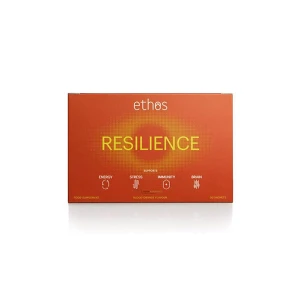
-300x300.webp "Ethos Resilience (30sachets)")
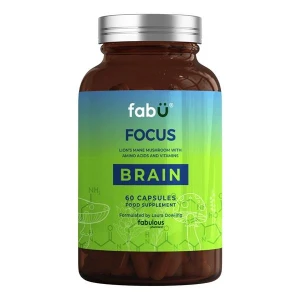
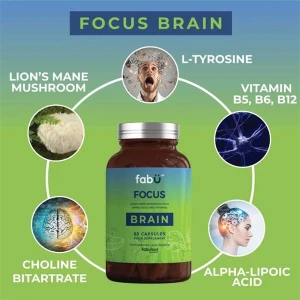
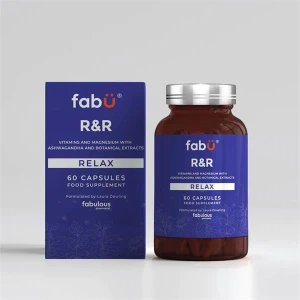

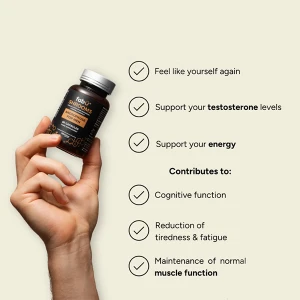
-dpharmacy-300x300.webp "FabÜ Shrooms Cholesterol & Heart (90tabs)")
-dpharmacy-300x300.webp "FabÜ Shrooms Cholesterol & Heart (90tabs)")





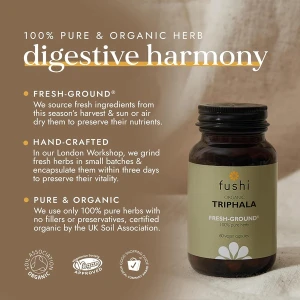
600-300x300.webp "Fushi Original Wild Triphala 333mg (60 caps)")
-300x300.webp "Healthreach Bone Broth Powder (125g)")
-300x300.webp "Healthreach Bone Broth Powder (125g)")
-300x300.webp "Healthreach Bone Broth Unflavoured - 30 Day Powder (210g)")
-300x300.webp "Healthreach Bone Broth Unflavoured - 30 Day Powder (210g)")
-300x300.webp "Higher Nature Chlorella Tablets (180tbs)")


600-300x300.webp "Higher Nature High Strength Vitamin D3 2000iu (60 Caps)")
-300x300.webp "Higher Nature High Strength Vitamin D3 2000iu (60 Caps)")

-300x300.webp "Higher Nature Rosehips C 1000mg (90tabs)")
600-300x300.webp "Higher Nature Vitamin D 500iu (120 Caps)")
-300x300.webp "Higher Nature Vitamin D 500iu (120 Caps)")

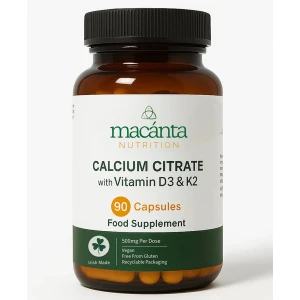
600-300x300.webp "Macanta Calcium Citrate D3 K2 (90caps)")
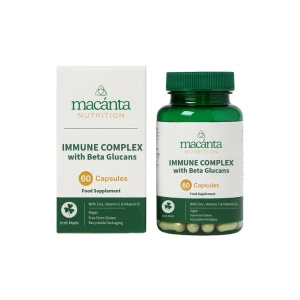
-300x300.webp "Macanta Immune Complex With Beta Glucans (60caps)")
600-300x300.webp "Macanta Joint Complex With Uc-ii Collagen (30caps)")
-300x300.webp "Macanta Joint Complex With Uc-ii Collagen (30caps)")
Vitamins are essential nutrients that support overall health and bodily functions. In the ABC of Vitamins, we explore the key vitamins your body needs, from Vitamin A for vision to B vitamins for energy and Vitamin C for immunity. Each vitamin plays a crucial role in maintaining well-being, supporting everything from brain function to skin health. Getting the right balance through diet or supplements can help you stay healthy and energised. Whether you're looking to boost immunity, improve digestion, or maintain strong bones, understanding the ABC of Vitamins is the first step to better health.
What is the ABC of Vitamins?
The ABC of Vitamins refers to the essential vitamins that contribute to overall health, including A, B, C, D, and E. Each vitamin has unique benefits, such as supporting the immune system, improving energy levels, and promoting skin health. These nutrients are found in various foods, but supplements can help fill any gaps in your diet. Ensuring you get the right amount of each vitamin daily helps maintain body function, prevent deficiencies, and support long-term well-being. Learning about these vitamins allows you to make informed choices for a healthier lifestyle.
Why are vitamins important for the body?
Vitamins play a vital role in maintaining body functions, from metabolism to immune support. They help convert food into energy, repair cells, and strengthen bones. Vitamin D is essential for calcium absorption, while B vitamins aid brain function. A lack of vitamins can lead to fatigue, weakened immunity, and long-term health problems. A balanced diet with vitamin-rich foods is the best way to get the nutrients your body needs. However, supplements can help when dietary intake is insufficient, ensuring your body functions optimally every day.
Can I get all the vitamins I need from food?
A balanced diet provides most essential vitamins, but factors like poor nutrition, dietary restrictions, or health conditions can lead to deficiencies. Foods like leafy greens, dairy, fish, and citrus fruits contain vital vitamins, but some people may struggle to get enough Vitamin D from sunlight or enough B12 from food alone. Supplements can help maintain adequate levels, especially for those with limited diets. Ensuring a variety of nutrient-dense foods in your meals is the best way to meet daily vitamin needs and maintain good health.
What happens if I don’t get enough vitamins?
Vitamin deficiencies can lead to various health issues, depending on which vitamin is lacking. Low Vitamin C can cause weak immunity, while a lack of B vitamins may lead to fatigue and poor concentration. Vitamin D deficiency can weaken bones and impact mood. Long-term deficiencies increase the risk of chronic conditions like osteoporosis or anaemia. Eating a varied diet and supplementing when necessary helps prevent deficiencies and supports long-term health. If you experience symptoms of a deficiency, consult a healthcare professional for advice.